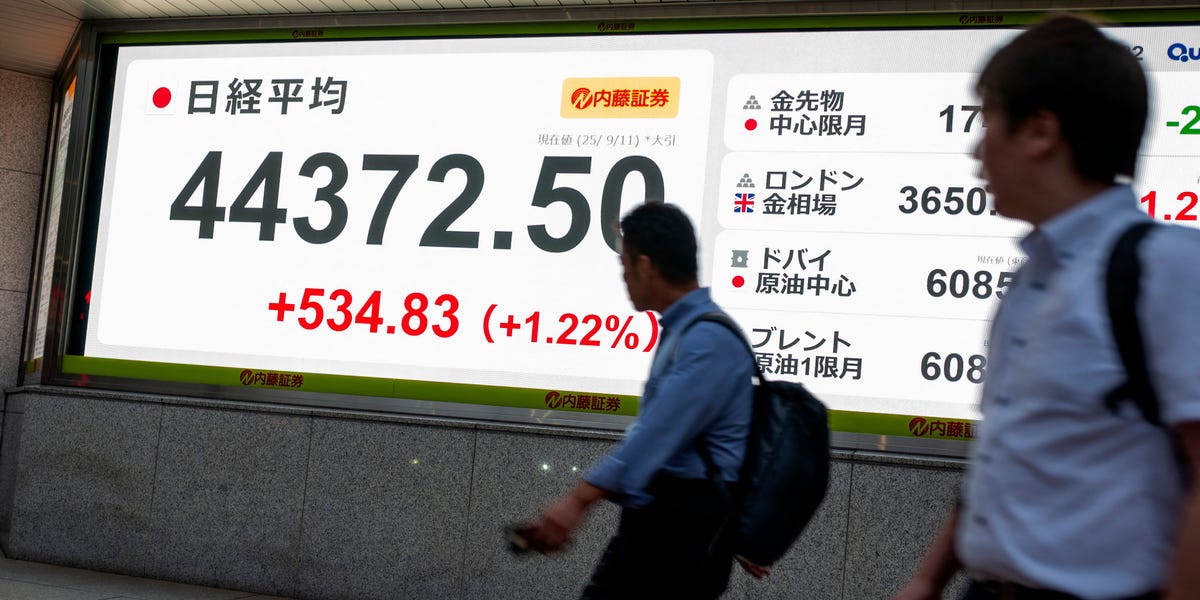
Japan’s economy is experiencing a significant resurgence, marked by a roaring stock market and renewed investor confidence. This powerful upturn, fueled by domestic political shifts, global monetary dynamics, and the pervasive AI boom, holds substantial implications for worldwide energy demand. For oil and gas investors, understanding the drivers behind Japan’s growth is crucial, as this economic momentum could translate into increased industrial activity and consumption, providing a vital underpinning for global crude markets. As we analyze the confluence of these factors, we uncover potential tailwinds for oil demand that warrant close attention.
Japan’s Economic Momentum: A New Demand Driver
The Land of the Rising Sun has captured global financial attention, with its benchmark Nikkei 225 index notching fresh record highs, demonstrating an impressive 12% gain year-to-date and recently surging past the 44,000 mark for the first time. This rally is not merely a fleeting trend; it reflects a potent mix of factors. Recent political shifts, including the resignation of Prime Minister Shigeru Ishiba, have ignited investor expectations for potentially more expansionary fiscal and monetary policies. This leadership transition coincides with ongoing corporate reforms and a persistently weak yen, which has made Japanese assets particularly attractive to foreign buyers, drawing significant overseas fund inflows.
Beyond domestic policy, Japan is also riding the global wave of artificial intelligence. Its strategic position in critical components of the AI supply chain – including semiconductor materials, industrial robotics, and quantum computing – positions the nation as a key beneficiary of massive global investment in this transformative technology. The recent surge in tech-related stocks, exemplified by SoftBank’s substantial weekly gain following Oracle’s AI-fueled rally, underscores the tangible economic impact. This robust economic activity, from manufacturing to increased consumer spending, directly translates into higher energy requirements, painting a bullish picture for long-term oil demand.
Global Monetary Shifts and Energy Market Ripples
Across the Pacific, signals from the Federal Reserve regarding potential interest rate cuts, following two years of restrictive monetary policy, are poised to create global ripple effects. Lower U.S. rates typically weaken the dollar, enhance global liquidity conditions, and bolster investor appetite for riskier assets, including commodities. This macro backdrop, coupled with strong global market performance where the S&P 500 and Nasdaq have also reached new highs, suggests a supportive environment for energy prices, even amidst short-term fluctuations.
As of today, Brent Crude trades at $98.27 per barrel, down 1.13% within a daily range of $97.92 to $98.67. WTI Crude stands at $89.88, a 1.41% decrease, fluctuating between $89.57 and $90.26. While these figures represent a slight daily dip, it is important to contextualize them within broader trends. Brent Crude has seen a notable decline from $112.57 on March 27th to $98.57 on April 16th, marking a $14 or 12.4% reduction over the past two weeks. This recent price softening, however, may be partially offset by the underlying economic strength emanating from regions like Japan and the potential for increased global liquidity, which could provide a crucial floor for crude prices moving forward.
Navigating Supply Dynamics: Investor Focus on OPEC+
Oil and gas investors are keenly observing the interplay between global demand signals and supply-side management. A recurring question among our readers is focused on “What are OPEC+ current production quotas?” This highlights the market’s intense interest in how the major producers will respond to evolving supply-demand dynamics. With Brent having seen a notable decline over the past 14 days, the upcoming OPEC+ meetings take on heightened importance.
The Joint Ministerial Monitoring Committee (JMMC) is scheduled to convene on April 18th, followed by the full OPEC+ Ministerial Meeting on April 20th. These gatherings are critical inflection points. Producers will assess global market conditions, including the recent price movements and the demand outlook from growing economies like Japan. Their decisions on production quotas – whether to maintain current cuts, extend them, or even consider adjustments – will significantly influence crude price trajectories. A commitment to disciplined supply management in the face of strengthening demand from key economic players could provide significant upward pressure on prices, while any deviation could introduce volatility. Investors should prepare for potential market reactions immediately following these announcements.
The Road Ahead: Monitoring Key Indicators and Catalysts
Beyond OPEC+, the coming weeks are packed with other crucial data releases that will shape the energy investment landscape. On April 17th and again on April 24th, the Baker Hughes Rig Count will offer insights into North American drilling activity, providing a barometer for future supply from the region. Following this, the API Weekly Crude Inventory reports on April 21st and April 28th, alongside the EIA Weekly Petroleum Status Reports on April 22nd and April 29th, will deliver vital updates on U.S. crude stockpiles and demand indicators. These reports are indispensable for gauging the health of the largest consuming market and understanding short-term supply-demand balances.
The combined picture of Japan’s economic revitalization, a potentially looser global monetary environment, and the strategic decisions from OPEC+ forms a complex but compelling narrative for energy investors. While daily price movements are inevitable, the structural shifts, particularly the burgeoning demand from a re-energized Japanese economy, suggest a more robust foundation for oil markets. Investors should remain vigilant, integrating these forward-looking events and macro trends into their strategies to capitalize on the evolving energy landscape.


