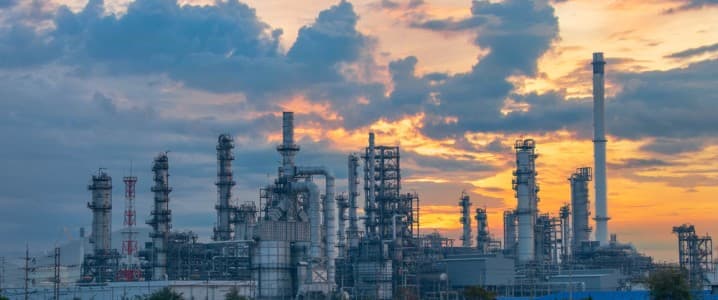
Japanese Refiners Pivot Back to Fossil Fuels Amid Green Tech Headwinds
Japan’s leading oil refiners are recalibrating their long-term strategies, signaling a pronounced shift back towards core fossil fuel operations. This strategic pivot, driven by escalating costs and sluggish adoption rates for low-carbon alternatives, mirrors a broader trend observed among global energy majors. For investors monitoring the evolving energy landscape, this development underscores the enduring economic realities influencing the pace of the global energy transition.
Eneos Holdings Adjusts Hydrogen Ambitions, Boosts LNG Focus
Eneos Holdings, Japan’s largest refiner and a critical player in the nation’s crude import infrastructure, has unveiled a revised medium-term strategy that significantly redefines its commitment to green hydrogen. Chief executive Tomohide Miyata recently articulated the challenges faced by the company, citing a substantial rise in the capital expenditure associated with developing ammonia and green hydrogen projects. This surge in costs has complicated financial planning and made large-scale green energy investments less attractive in the current climate.
Notably, Eneos’s updated strategic plan, extending to 2028, has removed a previously stated ambitious target to supply 4 million metric tons of hydrogen by 2040. In its place, the company now offers a more circumspect and less committal objective: “considering hydrogen production, transportation, and supply to industrial and transportation operators in Japan for the establishment of a large-scale hydrogen supply chain.” This revised phrasing reflects a prudent reassessment of the immediate viability and economic attractiveness of large-scale green hydrogen deployment.
Simultaneously, Eneos is doubling down on its liquefied natural gas (LNG) business. The company foresees sustained growth in LNG demand, projecting this upward trajectory to continue until approximately 2040. This enhanced focus on LNG highlights a pragmatic acknowledgment of natural gas’s role as a transitional fuel, offering a cleaner alternative to coal while providing critical energy security for resource-scarce nations like Japan.
Miyata’s comments further encapsulated the prevailing sentiment, noting that “the trend toward a carbon-neutral society is slowing, and the full-scale bifurcation of the energy transition, previously expected around 2030, may be delayed.” This candid assessment from a major industry leader provides a crucial insight for investors: the timeline for a complete energy transformation is likely extending, reinforcing the continued relevance of traditional energy assets in the interim.
Idemitsu Kosan Cuts Low-Carbon Investment by Billions
Idemitsu Kosan, Japan’s second-largest refining entity, is also making significant adjustments to its capital allocation strategy. President Noriaki Sakai confirmed the company’s decision to scale back investments in various low-carbon fuels, including synthetic fuels, ammonia, and hydrogen. The planned capital expenditure for these initiatives will be reduced from an initial projection of $6.8 billion (1 trillion Japanese yen) to a more conservative $5.5 billion (800 billion yen) by 2030.
This substantial reduction in green energy spending underscores the financial pressures and practical hurdles confronting companies attempting to de-risk their portfolios from fossil fuels. For investors, this move signals a more disciplined approach to capital deployment, prioritizing projects with clearer pathways to profitability and quicker returns, which, in the current market, often means conventional energy ventures.
The Rationale: High Costs, Slow Adoption, and Energy Security Imperatives
The strategic shifts by these Japanese refining giants are not isolated incidents but rather a response to a confluence of economic and geopolitical factors. The primary drivers include the soaring costs associated with developing and deploying green energy solutions. Technologies like green hydrogen production and ammonia synthesis, while promising, still face significant cost barriers to achieve commercial scalability and competitiveness with established fossil fuel infrastructure.
Moreover, the uptake of these low-carbon fuels has been slower than initially anticipated. Market demand, infrastructure readiness, and technological maturity have not progressed at the pace many early proponents had hoped. This gap between ambitious targets and practical implementation has led companies to re-evaluate their investment timelines and risk exposure.
Crucially, the imperative of energy security looms large, particularly for a nation like Japan, which is almost entirely dependent on crude oil imports. Ensuring a stable and affordable energy supply remains a paramount national interest. In an environment of geopolitical volatility and supply chain disruptions, relying on proven, accessible fossil fuel resources offers a level of security that emerging green technologies cannot yet fully provide. This pragmatic emphasis on energy stability acts as a powerful counterweight to rapid decarbonization efforts.
Echoes of European Majors: A Global Recalibration
This pivot by Japanese refiners resonates strongly with recent strategic adjustments seen among major European oil and gas firms. After several years of aggressive investment in renewable energy projects, many European supermajors encountered challenges related to lower-than-expected returns and complexities in integrating these new ventures into their core business models. Consequently, several leading European players have openly redirected capital and refocused their strategies back towards their foundational oil and gas production assets.
For investors, this global recalibration suggests a growing recognition across the industry that the energy transition will be a more protracted and complex process than initially envisioned. While long-term decarbonization goals remain, the immediate focus is shifting towards optimizing existing fossil fuel assets for profitability and ensuring energy supply stability. This implies that companies with robust, well-managed conventional oil and gas operations may continue to offer attractive investment opportunities in the medium term, even as the broader energy landscape evolves.
Investor Outlook: Navigating the Extended Energy Transition
The announcements from Eneos and Idemitsu offer a stark reminder that the path to a carbon-neutral future is paved with economic realities. For investors in the oil and gas sector, these developments highlight several key takeaways. Firstly, the core profitability of refining and traditional fuel supply remains a critical driver for these companies, underpinning their ability to fund future transitions. Secondly, the slower pace of green technology adoption and higher costs mean that investments in conventional energy assets could see sustained relevance and potentially stronger returns in the coming years.
As the energy transition extends, companies demonstrating flexibility, disciplined capital allocation, and a pragmatic approach to balancing decarbonization with energy security are likely to be well-positioned. Investors should closely monitor how these refiners manage their legacy assets while selectively advancing economically viable low-carbon initiatives, understanding that a balanced portfolio strategy will be key to navigating this dynamic and evolving energy market.