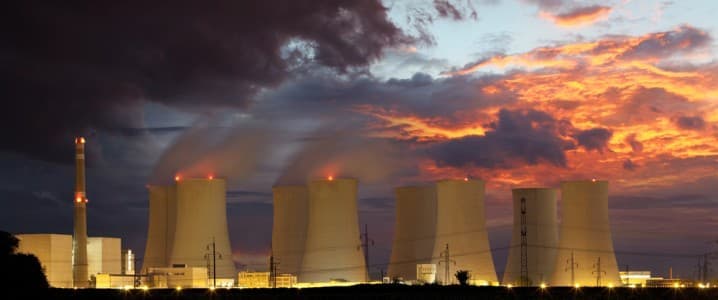
Japan’s recent decision to reactivate its largest nuclear power plant, Kashiwazaki-Kariwa (KK), signals a profound shift in the nation’s energy strategy. The Niigata prefecture parliament’s vote to restart KK, fourteen years after the devastating Fukushima disaster, represents a significant step towards reducing Japan’s heavy reliance on energy imports. For oil and gas investors, this move is far more than a local policy adjustment; it’s a long-term demand signal that could reverberate across global energy markets, particularly for crude oil and liquefied natural gas (LNG). As the world’s third-largest economy pivots towards nuclear power to meet its decarbonization goals and enhance energy security, understanding the implications for global fuel demand and market dynamics is paramount for informed investment decisions.
Japan’s Nuclear Resurgence: A Decisive Shift from Fossil Fuels
The green light for Kashiwazaki-Kariwa, a facility operated by Tokyo Electric Power Co. (TEPCO), marks a critical milestone in Japan’s nuclear energy revival. This plant alone, once fully operational, holds the potential to significantly displace fossil fuel-based electricity generation. Prior to the Fukushima incident in 2011, nuclear power supplied approximately 30% of Japan’s electricity. Following the disaster, all 54 reactors were shut down, pushing Japan’s energy import dependency to an uncomfortable 60-70% of its power generation mix. Since 2015, Japan has diligently worked to bring reactors back online, with 14 of 33 operational units already restarted and another 11 currently navigating the approval process. The restart of KK, along with a national target to derive 20% of its electricity from nuclear power by 2040, up from below 10% today, underscores a clear, government-backed commitment to reducing reliance on imported oil and gas. While local opposition, often tied to TEPCO’s safety record, persists, the strong support from the Niigata governor and Prime Minister Sanae Takaichi indicates a national imperative overriding regional concerns.
Market Volatility Meets Long-Term Demand Erosion
The broader energy market is currently navigating significant volatility, and Japan’s nuclear pivot introduces another layer of complexity. As of today, Brent Crude trades at $91.87, reflecting a substantial 7.57% decline, with its daily range spanning $86.08 to $98.97. Similarly, WTI Crude has fallen to $84, down 7.86%, moving between $78.97 and $90.34. This recent weakness is not isolated; over the past 14 days, Brent has shed $20.91, declining 18.5% from $112.78 on March 30th to today’s level. Gasoline prices also reflect this bearish sentiment, currently at $2.95, a 4.85% drop. While these daily and two-week movements are influenced by a multitude of factors, the long-term prospect of a major economy like Japan systematically reducing its fossil fuel consumption adds fundamental pressure to global demand outlooks. For oil and gas investors, this sustained shift in Japanese energy policy, particularly with the restart of its largest nuclear facility, signals a gradual but persistent erosion of demand, especially for imported LNG and potentially crude used for power generation. This structural change could exacerbate bearish sentiment in a market already experiencing downward price pressure.
Investor Focus: Navigating Geopolitical Supply and Future Demand Curves
Investors are keenly focused on understanding the future trajectory of oil prices and the strategies of major producers. Common questions among our readers this week include predictions for the price of oil per barrel by the end of 2026, and queries about OPEC+’s current production quotas. Japan’s accelerating nuclear program directly influences these considerations. The country’s move to lessen its energy import bill, driven by both decarbonization efforts and national security, fundamentally alters a piece of the global energy demand puzzle. As Japan aims to significantly increase its nuclear electricity generation by 2040, the demand for imported fossil fuels, particularly LNG used in thermal power plants, will inevitably decrease. This structural demand erosion, while gradual, presents a significant challenge for oil and gas companies heavily exposed to Asian energy markets. For investors trying to forecast end-of-year oil prices, understanding the aggregate impact of such national energy shifts is crucial. These policy decisions compound the complexities faced by OPEC+ in setting production quotas, as they must balance global supply with a demand picture increasingly influenced by energy transitions in key consuming nations. Predicting oil prices requires a nuanced view that incorporates not just short-term supply disruptions but also long-term, deliberate demand destruction from major industrial economies.
Upcoming Catalysts and the Path Ahead
The energy market is poised for several near-term catalysts that will offer further insights into supply-demand dynamics. Tomorrow, April 18th, the OPEC+ Ministerial Meeting will take place. This gathering is particularly relevant in light of potential future demand reductions from Japan’s nuclear restarts, as the cartel considers its production strategy amidst a volatile price environment. Analysts will scrutinize any signals regarding output adjustments, especially given the recent significant declines in crude prices. Beyond OPEC+, we have a series of crucial data releases: the API Weekly Crude Inventory on April 21st, followed by the EIA Weekly Petroleum Status Report on April 22nd. These reports provide vital snapshots of U.S. crude and refined product inventories, offering immediate indicators of market balance. The Baker Hughes Rig Count on April 24th will round out the week, providing insight into North American drilling activity and potential future supply. With 11 more Japanese reactors currently awaiting restart approval and the long-term target of 20% nuclear power by 2040, investors must recognize that Japan’s energy transition is a persistent, multi-decade endeavor. Each subsequent restart, while not a dramatic one-off event, contributes to a cumulative reduction in global fossil fuel demand, requiring energy producers and exporters to continuously adapt their long-term strategies.


