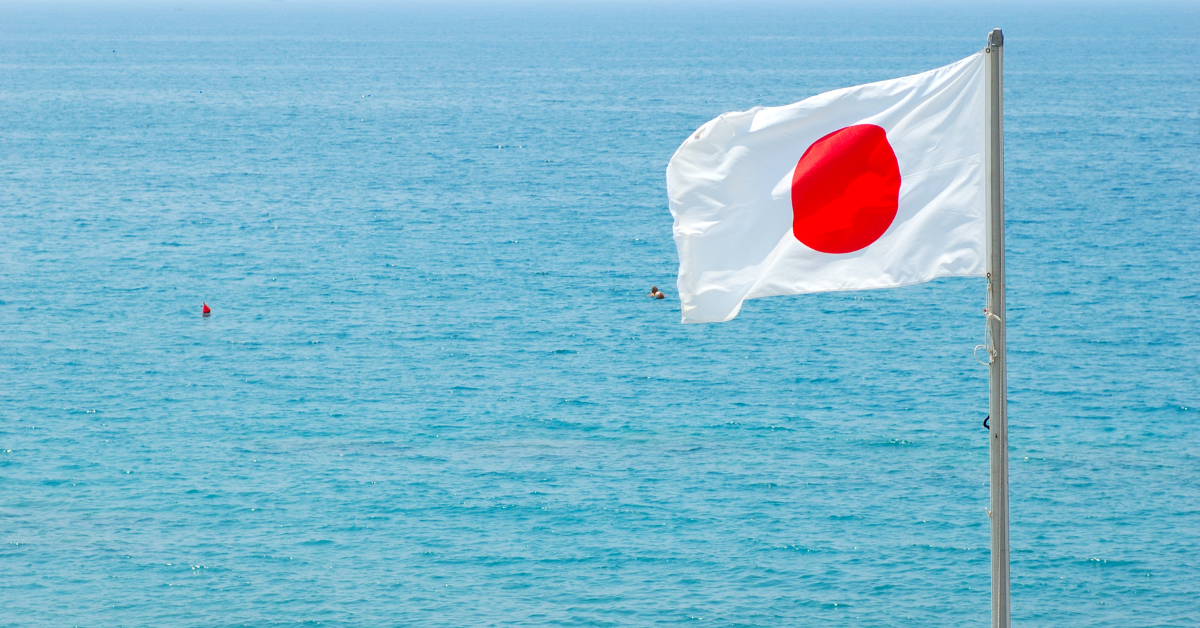
Japan is embarking on an aggressive new chapter in its decarbonization strategy, funneling significant resources into pioneering large-scale offshore “blue carbon” initiatives. This strategic maneuver signals a major investment pivot, leveraging the vast potential of marine ecosystems to capture and sequester carbon dioxide, aiming to meet the nation’s ambitious 2050 net-zero emissions target.
For energy investors and those tracking the burgeoning carbon markets, Japan’s commitment represents a critical development. The nation’s Environment Ministry is spearheading a comprehensive research program designed to harness marine vegetation—such as seaweed and mangroves—for deep-sea carbon absorption and storage. This forward-looking approach seeks to complement existing land-based efforts and establish a new frontier in carbon capture technology.
Japan’s Bold Blue Carbon Vision Unveiled
The scale of Japan’s ambition is striking. From a baseline of just 34 tonnes of CO₂ sequestered by coastal marine plants in fiscal year 2023, the government has set an audacious target: an annual capture of 1 million tonnes by 2035, escalating further to a formidable 2 million tonnes annually by 2040. This exponential growth trajectory underscores a profound belief in the viability and scalability of blue carbon solutions as a cornerstone of Japan’s energy transition.
A senior official from Japan’s Environment Ministry highlighted the inherent advantages of marine carbon capture, noting the high solubility of CO₂ in seawater and the natural absorption capabilities of marine vegetation. The potential to demonstrate viable technology for CO₂ fixation on the seafloor could unlock a substantial new source of carbon absorption, opening up significant avenues for technological innovation and investment.
Key Partnerships Drive Deep-Sea Innovation
This monumental undertaking is not a solo venture. Japan’s government has strategically aligned with key industry and research entities. The Japan Agency for Marine-Earth Science and Technology (JAMSTEC), renowned for its deep-sea research capabilities, will play a crucial role in investigating the behavior of submerged seaweed at depth. This scientific rigor is essential for understanding the mechanisms of carbon sequestration in extreme environments.
Moreover, the inclusion of Eneos Corp, a major player in Japan’s energy sector, signals a strong industrial commitment to this initiative. Such partnerships are vital for bridging the gap between cutting-edge research and commercial-scale deployment. Eneos’s involvement suggests a long-term strategic interest in integrating blue carbon solutions into broader energy portfolios, potentially creating new revenue streams in the carbon credit market and offering diversified investment opportunities in the energy transition space.
The collaborative effort will also rigorously assess the ecological impact of seafloor-based carbon storage, ensuring that these innovative solutions are environmentally sound and sustainable. This due diligence is paramount for attracting long-term capital and building market confidence in blue carbon as a legitimate and impactful decarbonization pathway.
Addressing Declining Forest Absorption Capacity
Japan’s intensified focus on blue carbon arises from a pressing national need. While the nation’s forests currently absorb approximately 45 million tonnes of CO₂ annually, their capacity is gradually diminishing due to aging. This decline necessitates the urgent exploration and scaling of alternative carbon absorption methods to maintain momentum towards the 2050 net-zero goal.
Blue carbon offers a compelling alternative, leveraging the vastness and biological productivity of marine ecosystems. As land-based carbon sinks face increasing pressures and limitations, the oceans present an expansive, relatively untapped frontier for carbon sequestration. This shift in focus is not merely an addition to Japan’s climate strategy but a strategic diversification, mitigating risks associated with over-reliance on a single type of carbon sink.
Investment Implications for the Energy Sector
For investors in oil and gas, carbon capture, and related energy transition technologies, Japan’s blue carbon initiative presents several compelling opportunities. First, it validates the growing global emphasis on diverse carbon removal technologies, signaling a robust and expanding market for innovation in this space. Companies developing advanced marine biology, remote sensing, and deep-sea engineering solutions stand to benefit significantly.
Second, the involvement of an energy giant like Eneos suggests that traditional energy companies are actively seeking to integrate nature-based solutions into their decarbonization strategies. This could open doors for partnerships, joint ventures, and acquisitions in marine biotech and environmental services sectors. Investors should monitor companies with expertise in aquaculture, marine restoration, and carbon accounting within marine environments.
Furthermore, the ambitious targets set by the Japanese government imply a future demand for high-quality, verifiable blue carbon credits. As carbon markets mature and demand for credible offsets grows, projects stemming from this initiative could command premium prices, creating attractive financial incentives for early movers and innovators in the blue carbon space. The long-term vision extends beyond mere carbon capture; it encompasses the development of an entirely new industry, complete with supply chains, specialized technologies, and a skilled workforce.
Pioneering a New Era of Decarbonization
Japan’s strategic move into large-scale offshore blue carbon research and deployment positions the nation as a global leader in an emerging and potentially transformative field. By committing to substantial financial and intellectual resources, Japan is not only reinforcing its own climate resilience but also laying the groundwork for a scalable, sustainable model for global decarbonization. This initiative underscores a proactive, technology-driven approach to climate change, offering a beacon for other nations grappling with similar environmental and economic challenges.
The journey from 34 tonnes to 2 million tonnes of annual CO₂ sequestration is an ambitious one, fraught with scientific and logistical hurdles. However, the coordinated effort between government, academia, and industry, coupled with Japan’s history of technological innovation, provides a strong foundation for success. As the world continues its urgent transition to net-zero, Japan’s blue carbon expansion offers a compelling case study and a significant investment opportunity in the next generation of climate solutions.