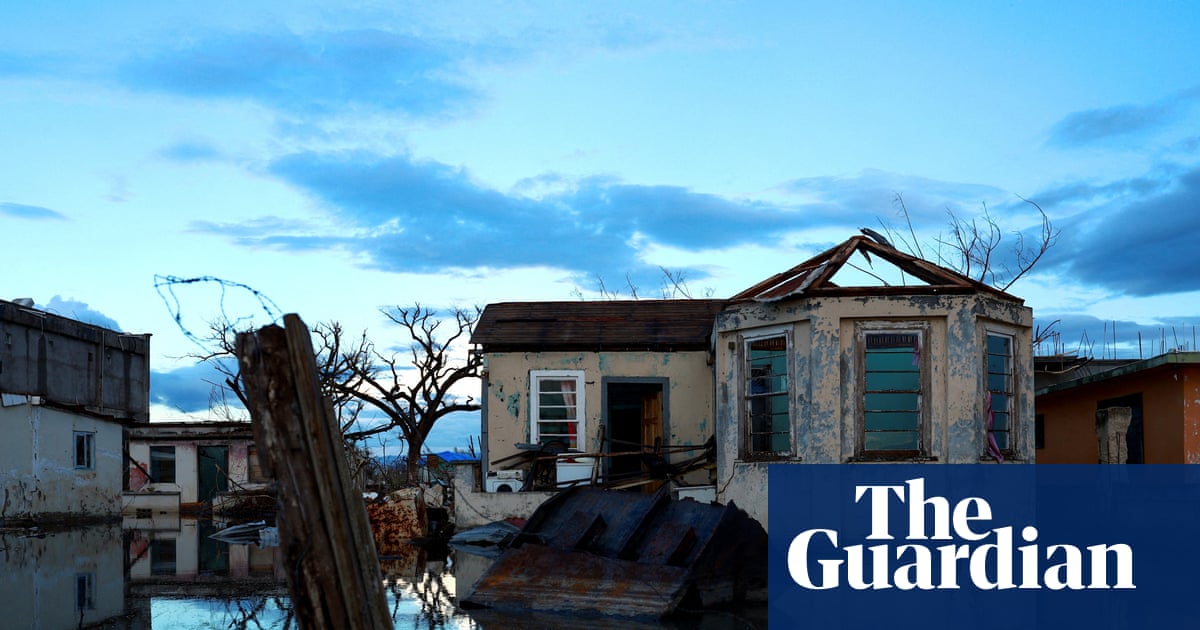
The recent devastation wrought by Hurricane Melissa across Jamaica, plunging hundreds of thousands into a humanitarian crisis and prompting calls for increased UK aid, extends far beyond immediate relief efforts. For energy investors, this event serves as a stark reminder of the inherent vulnerabilities within regional energy supply chains and the increasing imperative to factor climate-related risks into portfolio strategies. While global markets grapple with shifting macro dynamics, localized disruptions like Melissa can have profound, albeit sometimes overlooked, implications for regional energy security and the operational resilience of companies with assets in vulnerable areas.
Global Price Swings and Regional Vulnerability
The broader energy market is currently navigating a period of volatility. As of today, Brent crude trades at $90.25, reflecting a significant 5.48% drop from its opening, having ranged between $93.87 and $95.69 earlier. Similarly, WTI crude sits at $86.87, down 0.63% from its start, with a day range of $85.50 to $87.47. This downward pressure continues a noticeable trend, with Brent having declined by nearly 20% over the past two weeks, from $118.35 on March 31st to $94.86 yesterday. Gasoline prices, meanwhile, remain relatively stable at $3.04. Against this backdrop of broader market recalibration, Hurricane Melissa highlights a critical, albeit regional, risk factor: the susceptibility of Caribbean energy infrastructure to extreme weather events. While Jamaica may not be a primary global energy producer, the hurricane underscores how quickly critical energy assets – from power generation and transmission to fuel storage and distribution – can be incapacitated, leading to localized supply shocks and prolonged recovery periods. This vulnerability adds a layer of unquantifiable risk for companies operating in the basin, influencing everything from insurance premiums to long-term investment decisions in infrastructure.
Navigating Caribbean Energy Supply Chain Risks Amidst Key Events
The immediate aftermath of Hurricane Melissa reveals the extensive damage to critical infrastructure in areas like Black River, necessitating a long and resource-intensive rebuilding phase. From an energy perspective, this translates into potential disruptions to local refining capabilities, fuel import terminals, and, crucially, the power grid. A prolonged outage or reduced capacity in any of these areas can have ripple effects, impacting not only local consumers but also regional trade flows and prices for refined products. While the investment community’s attention is currently fixed on upcoming global energy events—such as the crucial OPEC+ JMMC Meeting scheduled for tomorrow, April 21st, which could provide clarity on future production quotas, or the EIA Weekly Petroleum Status Report on April 22nd, which will detail U.S. inventory levels—these regional disruptions present a significant, if often under-emphasized, risk. For instance, the demand for diesel for emergency generators and construction equipment during the recovery phase could see a localized surge, while broader economic activity dampens overall fuel consumption. Monitoring events like the Baker Hughes Rig Count on April 24th or API Weekly Crude Inventory on April 28th, while globally relevant, must be complemented by an awareness of how unforeseen regional events can create micro-market volatility and impact specific operational assets within an investor’s portfolio. The EIA’s Short-Term Energy Outlook on May 2nd will offer a macro view, but the granular, on-the-ground challenges in Jamaica serve as a potent reminder of the fragility of energy systems in climate-vulnerable regions.
Investor Focus: Beyond Global Prices to Regional Resilience
Our proprietary reader intent data from this week clearly indicates that investors are keenly focused on the future direction of energy prices, with common inquiries including “is WTI going up or down” and predictions for “the price of oil per barrel by end of 2026.” While these broad market movements are undoubtedly critical for portfolio performance, sophisticated investors understand that long-term value creation also depends on assessing and mitigating specific, regional risks. Hurricane Melissa brings into sharp relief the operational challenges and financial exposures faced by energy companies with assets or significant supply chain dependencies in the Caribbean. Companies involved in regional power generation, fuel distribution, maritime logistics, or even offshore exploration in the wider Caribbean basin must demonstrate robust disaster preparedness and climate resilience strategies. The long-term support called for by figures like Dawn Butler and Diane Abbott, extending beyond immediate relief, also implies a sustained need for investment in rebuilding and hardening infrastructure. For investors, this translates into scrutinizing company balance sheets for potential asset impairments, increased operational expenditures related to recovery, and the effectiveness of business continuity plans in the face of escalating climate threats. Ignoring such regional tail risks in favor of purely global price speculation can lead to unexpected value destruction.
The Imperative for Resilient Energy Infrastructure in the Caribbean
The humanitarian crisis in Jamaica underscores a broader trend: the increasing frequency and intensity of extreme weather events, particularly in vulnerable island nations. For the energy sector, this necessitates a proactive approach to building climate-resilient infrastructure. The long-term rebuilding efforts in Jamaica, described as needing “a lot of resources,” present both a challenge and an opportunity. Companies that can provide solutions for hardened power grids, decentralized energy systems, robust fuel storage, and efficient logistics in such environments will likely see growing demand. This also aligns with evolving ESG (Environmental, Social, and Governance) investment mandates, where climate risk assessment and adaptation strategies are becoming central to corporate valuations. Investors are increasingly looking for companies that are not just reacting to disasters but are actively investing in making their assets and operations more resilient to future shocks. The call for long-term assistance for Jamaica, as highlighted by various stakeholders, is a call for sustained investment in foundational infrastructure, including energy, which will be critical for the island’s economic recovery and future stability. For those eyeing the Caribbean energy landscape, understanding these underlying structural shifts is as vital as tracking daily price movements or global inventory reports.


