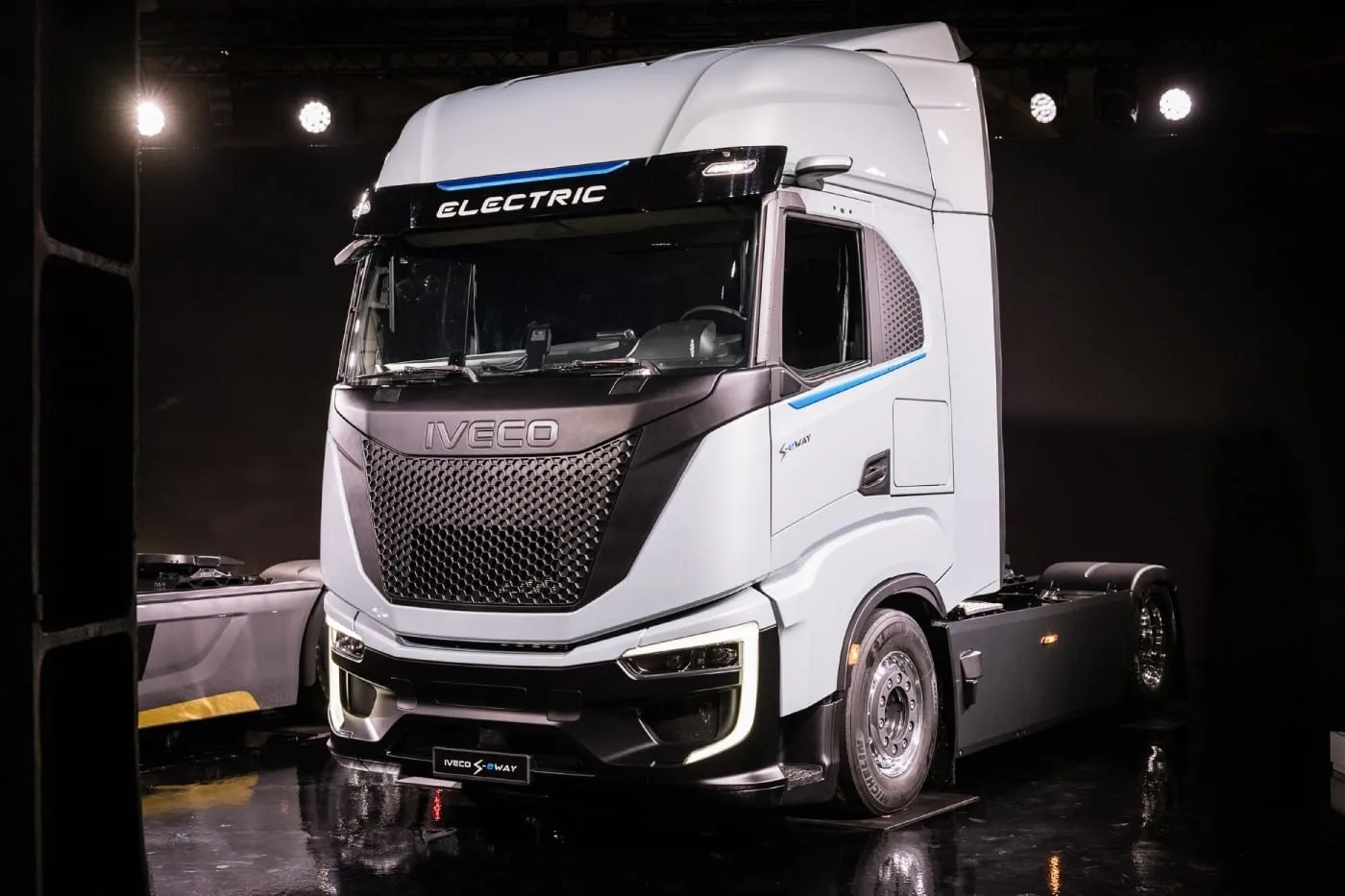
The recent announcement from Iveco, detailing their pivot to Lithium Iron Phosphate (LFP) batteries for the new S-eWay Artic electric truck, marks a significant inflection point in the energy transition narrative, particularly for the heavy-duty transport sector. While seemingly a development for the electric vehicle industry, this strategic shift carries profound implications for oil and gas investors. The adoption of LFP technology, known for its cost-effectiveness, extended lifespan, and enhanced safety, makes electric trucks a more viable and competitive alternative to traditional diesel-powered fleets. For those navigating the volatile crude markets, understanding the accelerating pace of electrification in key demand sectors is paramount, as it directly influences long-term oil demand forecasts and investment strategies.
LFP: A Game Changer for EV Economics and Oil Demand
Iveco’s decision to equip its S-eWay Artic tractor unit with a “brand new generation” of CATL-sourced LFP batteries, replacing previous Nickel Manganese Cobalt (NMC) packs, represents a crucial step towards mainstream EV adoption in commercial transport. The new LFP configuration offers a substantial range increase to 600 kilometres with a gross capacity of 603 kWh (97% usable), surpassing the 500-kilometre range previously achieved with larger 738 kWh NMC batteries. This demonstrates LFP’s improving energy density and efficiency. Crucially, LFP batteries boast a longer operational lifespan—Iveco specifies a 12-year service life with at least 70% capacity retention, backed by a robust warranty of up to ten years and 1.2 million kilometres. These factors translate directly into a lower total cost of ownership for fleet operators, making the transition to electric a more attractive economic proposition.
The improved economics of e-trucks directly challenges a key pillar of global oil demand: diesel consumption in road transport. As investors frequently inquire about the long-term trajectory of crude oil prices, particularly “what do you predict the price of oil per barrel will be by end of 2026?”, developments like Iveco’s LFP adoption offer a clear signal of demand-side pressure. The ability to charge from 20% to 80% in just 60 minutes with up to 350 kW further mitigates operational downtime, addressing a critical concern for commercial fleet managers. This combination of extended range, lower cost, longer life, and faster charging capability accelerates the electrification of heavy transport, directly impacting the demand for refined petroleum products and, consequently, crude oil.
Market Volatility Meets Structural Demand Shifts
The broader energy market is currently wrestling with significant volatility, underscoring the dynamic interplay of supply, demand, and geopolitical factors. As of today, Brent crude trades at $90.38, reflecting a substantial daily decline of 9.07%, with WTI crude similarly impacted, down 9.41% to $82.59. This sharp intraday correction comes on the heels of a notable downtrend, with Brent having shed $20.91, or 18.5%, over the past 14 days, falling from $112.78 to $91.87. While immediate market movements are often driven by short-term supply-demand imbalances or macroeconomic sentiment, the structural shift towards electrification in heavy transport, exemplified by Iveco’s LFP strategy, introduces a persistent headwind for long-term oil demand.
The accelerating adoption of economically viable electric trucks means a gradual, but irreversible, erosion of diesel demand. For oil and gas investors, this signifies that even if supply-side constraints or geopolitical tensions provide temporary price boosts, the underlying demand profile for crude oil, especially for middle distillates, faces increasing pressure. Understanding these long-term trends alongside daily market gyrations is crucial for informed investment decisions in an industry undergoing profound transformation. The growing efficiency and affordability of e-mobility solutions continue to reshape the energy landscape, demanding a forward-looking perspective beyond immediate price fluctuations.
Navigating Upcoming Events Amidst Evolving Demand
The coming weeks are packed with critical events that will shape the immediate future of crude oil markets, and investors must consider these against the backdrop of evolving demand dynamics. This Saturday and Sunday, April 18th and 19th, the OPEC+ Joint Ministerial Monitoring Committee (JMMC) and the Full Ministerial Meeting are scheduled. These gatherings will be instrumental in determining future production quotas and market strategy. As our readers frequently inquire “What are OPEC+ current production quotas?”, the decisions made at these meetings will directly impact global supply and, consequently, crude prices. Any indication of sustained or deeper cuts could lend support to prices, but such decisions will also implicitly acknowledge the growing demand-side challenges.
Following the OPEC+ meetings, the market will scrutinize weekly inventory data from the API (April 21st, 28th) and the EIA (April 22nd, 29th), along with the Baker Hughes Rig Count (April 24th, May 1st). These reports will offer vital insights into the immediate supply-demand balance in the U.S. and broader North American production trends. If inventory builds persist or production shows resilience, it could exacerbate concerns about demand weakness, especially if the structural shift towards EVs like Iveco’s S-eWay Artic begins to manifest more broadly in consumption data. For investors, integrating the insights from these upcoming events with the long-term implications of heavy-duty electrification is key to forecasting market movements and positioning portfolios strategically.
Investment Implications for Oil & Gas Stakeholders
The transition to LFP batteries in heavy-duty trucks underscores the critical need for oil and gas companies and their investors to adapt their strategies. For upstream producers, the long-term erosion of demand for crude oil necessitates a careful evaluation of portfolio resilience, focusing on lower-cost, lower-carbon intensity barrels or exploring diversification into alternative energy sources. Midstream operators, while potentially facing shifts in refined product flows, might see opportunities in supporting natural gas infrastructure for power generation that will, in turn, serve the growing electricity demand from EV charging stations.
Downstream refiners, particularly those with significant exposure to diesel production, must consider strategic adjustments to their product slate. Companies like Repsol, which our readers often ask about (“How well do you think Repsol will end in April 2026”), and others with diversified energy portfolios, including substantial investments in renewables, biofuels, or advanced materials, are better positioned to navigate these structural changes. The growing adoption of LFP in commercial vehicles is a clear signal that the energy transition is not just a distant prospect but an accelerating reality, demanding proactive investment in innovation and diversification across the entire oil and gas value chain.
Conclusion
Iveco’s strategic embrace of LFP batteries for its electric trucks is more than just a product announcement; it’s a powerful indicator of the accelerating momentum behind electrification in the heavy-duty sector. This shift directly impacts the long-term demand outlook for diesel and, by extension, crude oil. For oil and gas investors, this development, alongside current market volatility and upcoming supply-side decisions, necessitates a rigorous re-evaluation of investment theses. The increasing cost-effectiveness and operational viability of e-trucks represent a structural headwind that will continue to reshape the energy landscape. Successful navigation of this transition will depend on a deep understanding of these dynamics, leveraging proprietary data, and a commitment to diversified, forward-looking investment strategies.


