Geopolitical Tensions Escalate: Israeli Strike on Iranian Gas Field Raises Energy Market Volatility
The already volatile Middle East landscape has witnessed a significant escalation, as Israel launched a targeted strike on a critical natural gas facility within Iran, injecting fresh uncertainty into global energy markets. This direct targeting of Iranian energy infrastructure marks a concerning new phase in regional hostilities, with immediate implications for crude oil prices and long-term considerations for energy investors.
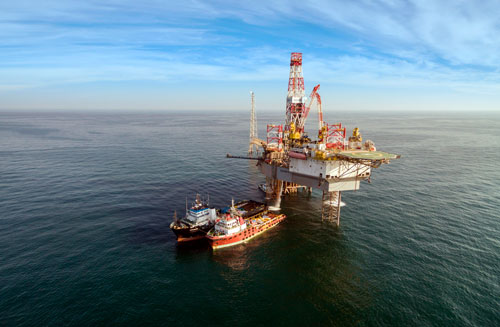
The incident, occurring on Saturday, involved a powerful explosion and subsequent fire at an onshore natural gas processing plant linked to Iran’s colossal South Pars field, a key component of its domestic energy network. Specifically, the attack struck the Phase 14 processing facility, forcing the immediate shutdown of an associated offshore production platform, according to reports from the semi-official Tasnim news agency. This development follows a wave of Israeli strikes on Friday, which primarily focused on elements of the Islamic Republic’s nuclear program, indicating a broadening scope of confrontation.
Immediate Market Reaction and Investor Outlook
While the initial damage primarily impacts Iran’s internal gas supply, the geopolitical ramifications are profound. The market response was swift and sharp; U.S. crude prices had already surged by as much as 14% on Friday, settling near $73 a barrel, as news of the broader conflict emerged. The strike on a major energy asset over the weekend is expected to amplify these price swings when trading resumes, reflecting a significant increase in the geopolitical risk premium across the energy complex.
Analysts are closely monitoring the situation. Richard Bronze, Head of Geopolitics at Energy Aspects Ltd., highlighted the gravity of the situation, stating, “It’s going to be pretty significant.” He further commented on an apparent “escalatory cycle,” raising critical questions for investors regarding the potential for Israel to target additional Iranian energy infrastructure. This scenario could dramatically impact supply stability from a region vital to global energy flows.
Iran’s Domestic Energy Vulnerabilities Exposed
The South Pars field, globally recognized as the largest natural gas field, is jointly held by Iran and Qatar, where it is known as the North Field. Iran’s portion of the field is predominantly geared towards satisfying its substantial domestic energy needs, with South Pars alone accounting for approximately two-thirds of the nation’s total gas supplies. The direct hit on the Phase 14 facility resulted in the cessation of production from one of its offshore platforms, amounting to 12 million cubic meters per day (MMcmd) of gas, though firefighters reportedly prevented the blaze from spreading to other operational units.
Further complicating Iran’s energy picture, a separate fire was reported at the Fajr Jam gas plant, another of Iran’s largest processing facilities, which handles fuel from South Pars, as well as the Nar and Kangan fields. While an official cause for the Fajr Jam incident was not immediately provided, preliminary assessments, as reported by Tasnim, suggested the involvement of hostile drones. These incidents underscore the vulnerability of Iran’s expansive energy infrastructure, much of which is concentrated around strategic locations like the port of Assaluyeh, home to a vast network of gas-processing and chemical plants.
Economic Fallout and Strategic Considerations
This latest escalation exacerbates an already precarious situation for Iran’s energy sector. The country has been grappling with some of its most severe power outages in decades, crippling large segments of its economy. These blackouts impose an estimated economic cost of about $250 million daily, according to figures from the Iran Chamber of Commerce, Industries, Mines and Agriculture, pushing the energy-rich nation deeper into crisis. For investors, this domestic instability translates into heightened operational risk for any entities with exposure to the region or those reliant on the stability of Middle Eastern energy supplies.
From a strategic perspective, the targeting of economic assets suggests a calculated approach. Richard Bronze remarked on Israel’s apparent strategy to “limit the impact and the knock-on effects for international markets,” thereby aiming to avoid alienating key international allies. However, even with this careful balancing act, the very act of targeting critical energy infrastructure introduces an undeniable layer of risk to global oil and gas investing. The market must now contend with a tangible threat of supply disruptions from OPEC’s third-largest producer and the potential for a broader destabilization of regional energy shipments. Investors are advised to remain vigilant, as the ripple effects of this escalating conflict are likely to influence energy prices and market sentiment for the foreseeable future.