Escalating Israel-Iran Conflict Ignites Oil Risk Premium
The geopolitical landscape of the Middle East has once again dramatically shifted, as renewed hostilities between Israel and Iran on June 15, 2025, sent a stark reminder to energy investors of the region’s inherent volatility. Iranian ballistic missile strikes illuminated the night sky, drawing immediate condemnation and threats of retaliation from Israel, setting the stage for a fourth consecutive day of heightened tensions. This rapid escalation is forcing the oil and gas sector to re-evaluate risk premiums, with potential implications for global crude supplies and shipping lanes.
The Latest Escalation Unfolds
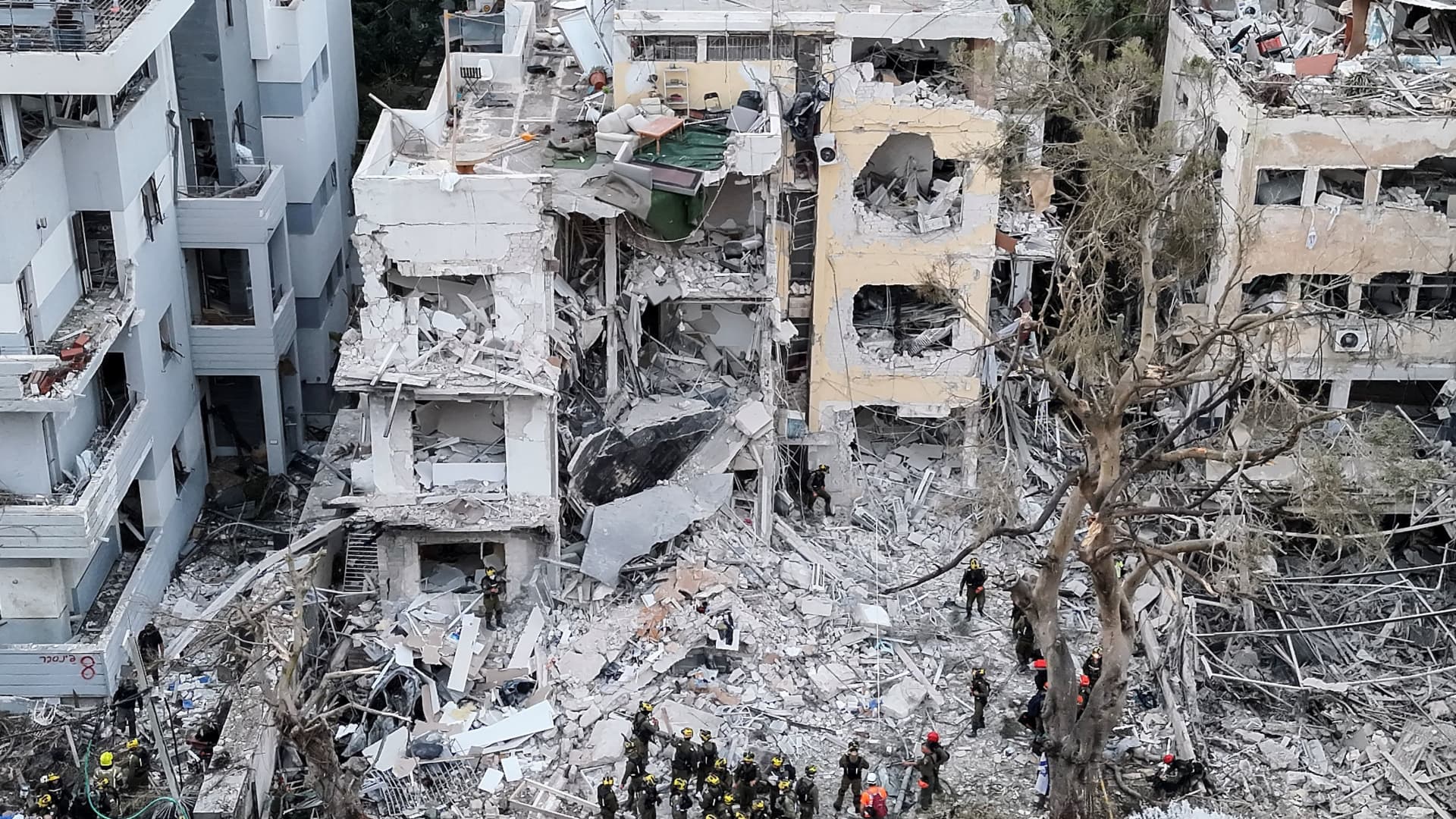
The recent round of conflict saw Iran launch a substantial missile onslaught against Israel, reportedly targeting major population centers including Tel Aviv, Jerusalem, and critically, Haifa, home to a significant refining facility. While details on the extent of damage to Israel’s energy infrastructure remain under assessment, the direct targeting of such a strategic asset underscores the deepening severity of the confrontation.
Iran’s Revolutionary Guard claimed its forces employed “innovative methods” during these strikes, asserting that these tactics successfully “disrupted the enemy’s multi-layered defense systems.” These claims suggest an attempt to overwhelm Israel’s advanced air defense capabilities, most notably its highly efficient Iron Dome system. While the Iron Dome has proven remarkably effective in previous conflicts, analysts acknowledge its potential vulnerability if faced with an exceedingly large number of incoming projectiles.
In response to the Iranian aggression, Israel’s defense minister issued a stern warning, stating that Tehran would “pay the price” for its actions. The Israel Defense Forces (IDF) subsequently asserted achieving “full aerial superiority over Tehran’s skies” following a coordinated strike mission involving 50 fighter jets and various aircraft. This showcases Israel’s significant aerial capabilities, contrasting sharply with Iran’s long-standing challenges regarding its aging aircraft fleet, which has previously led it to seek military aircraft purchases from Russia.
Geopolitical Risk and Crude Supply Concerns
For global energy markets, the immediate and paramount concern centers on the potential for wider regional destabilization. Investors are actively weighing the odds of this conflict spilling over into the broader oil-rich Middle East, particularly focusing on the critical Strait of Hormuz. This vital shipping artery, connecting the Persian Gulf and the Gulf of Oman, is indispensable for a substantial portion of the world’s crude oil transit. Any threat to its free passage could trigger severe disruptions to global supply chains and send crude prices soaring. The inherent risk of such a scenario naturally builds a geopolitical premium into current oil valuations, reflecting the elevated uncertainty.
Oil Markets Show Measured Response
Despite the dramatic escalation, oil prices, while retaining gains from recent days, exhibited a somewhat subdued reaction on Monday. At 1:11 p.m. London time, Ice Brent crude futures for August delivery were trading at $73.46 per barrel, marking a modest decline of 1.04% from the previous trading session. Similarly, the Nymex West Texas Intermediate (WTI) contract for July expiry stood at $72.14 per barrel, down 1.15%. This suggests that while the market acknowledges the heightened risk, it may not yet be fully pricing in a worst-case scenario of widespread regional conflict and severe supply disruptions. Instead, the current pricing might reflect a cautious retention of a risk premium built up over recent days, rather than an immediate, sharp upward surge typical of outright supply shock fears.
Broader Market Signals: Caution and Optimism
Beyond crude oil, other financial markets offered a mixed, and in some cases, surprisingly resilient picture early Monday. The traditional safe-haven asset, gold, saw its spot prices retreat, falling 0.46% to $3,416.11 per ounce after nearly touching a two-year high earlier in the session. U.S. gold futures also experienced a decline, down 0.56% to $3,433.40. This pullback in gold suggests that some investors might be paring back their most defensive positions, or perhaps taking profits after recent rallies.
Equities markets, in a notable contrast to the geopolitical backdrop, showed signs of strength. Tel Aviv’s share indices pointed higher, with the blue-chip TA-35 gaining 0.68% and the broader TA-125 rising 1.44%. European stock markets also opened higher, and U.S. stock futures indicated a positive start to trading. This broad market resilience suggests that while the conflict is a serious concern, investors may be holding onto hopes for a contained or swiftly resolved situation.
Analyst Insights: Hopes for De-escalation?
Market analysts are closely scrutinizing these divergent reactions. Luis Costa, global head of EM sovereign credit at Citigroup Global Markets, suggested that the relatively muted response across broader financial markets could be partly attributed to lingering hopes for a brisk resolution to the conflict. This sentiment implies that, despite the aggressive rhetoric and military actions, market participants might still be betting on diplomatic efforts or a de-escalation that prevents the situation from spiraling into a full-scale regional war. Such an outlook would temper the immediate risk premium applied to assets like oil and encourage a return to risk-on positioning in equities.
Navigating Continued Volatility
For oil and gas investors, the current environment demands heightened vigilance. While some market indicators suggest a degree of resilience or optimism for a swift resolution, the underlying geopolitical risk in the Middle East remains critically high. The direct targeting of energy infrastructure and the constant threat to vital shipping lanes like the Strait of Hormuz will continue to exert influence on crude prices. Investors must closely monitor both military developments and diplomatic efforts, as any significant shift could rapidly alter the supply-demand dynamics and the associated risk premium for global energy commodities. The path forward remains fraught with uncertainty, making judicious risk assessment paramount for navigating the inherent volatility in oil and gas investing.