Geopolitical Tensions Ignite Oil Markets as Israel-Iran Conflict Escalates
The geopolitical landscape shifted dramatically this past weekend, sending immediate and significant tremors through global financial markets. Direct military exchanges between Israel and Iran, a development long feared but now a stark reality, have propelled crude oil prices higher on concerns over potential supply disruptions from a region critical to the world’s energy supply. Investors are now grappling with a new layer of uncertainty, particularly within the sensitive oil and gas sector.
Escalation in the Middle East: A Direct Confrontation
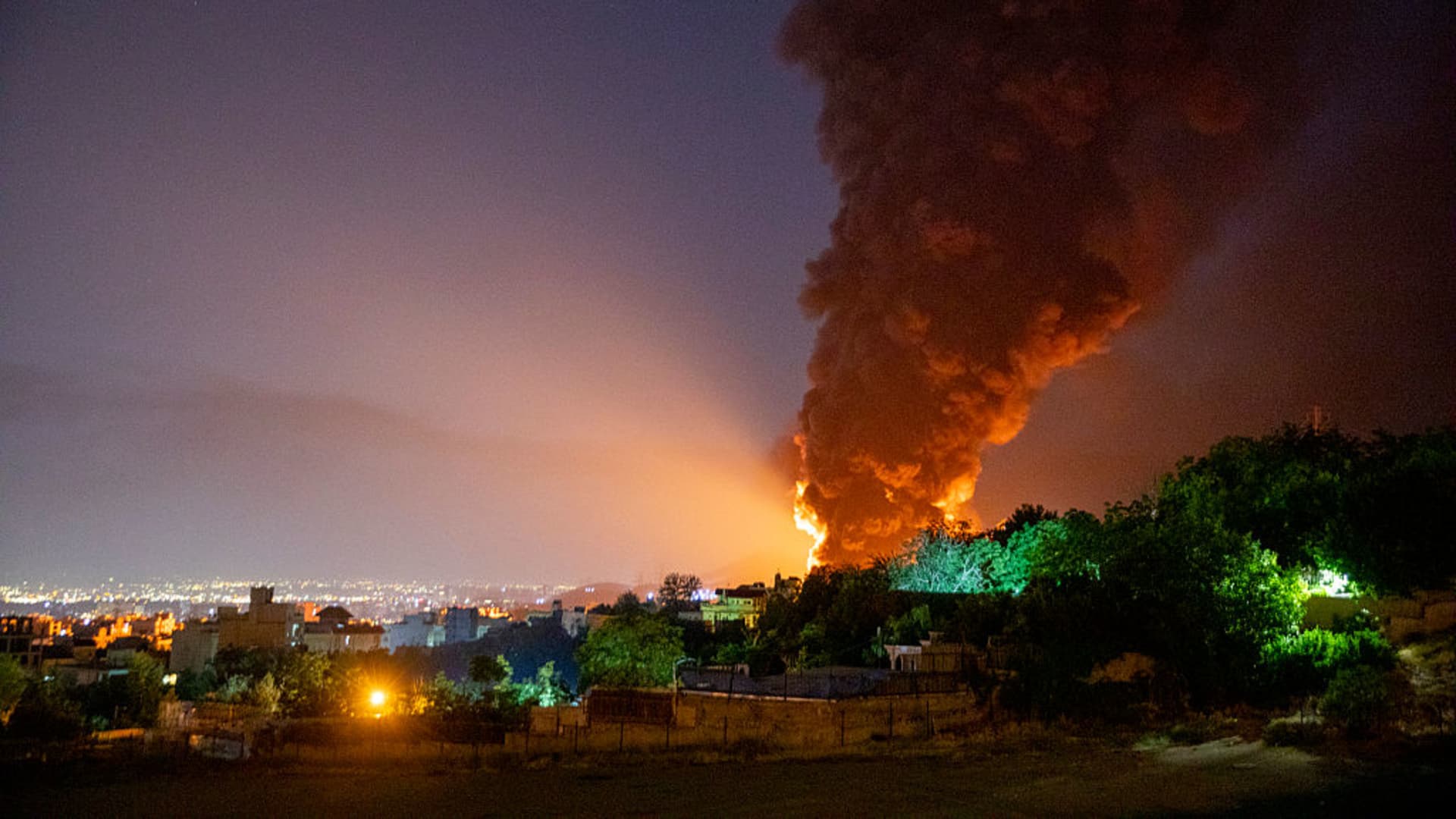
The latest wave of conflict began with Israeli airstrikes targeting Iranian nuclear facilities early Friday local time. This aggressive move triggered a swift and substantial retaliation from Tehran, which launched over 100 drones towards Israeli territory. The escalation continued into Sunday, marking the third consecutive day of direct military engagement between the two nations, as Israel conducted further airstrikes across Iran. This cycle of action and counter-action signals a dangerous new phase in regional dynamics, one that bypasses traditional proxy warfare and directly pits these two powers against each other.
For energy investors, the immediate implication is clear: heightened risk to crude oil flows. Iran, a significant player on the global energy stage, ranked as the world’s ninth-largest oil producer in 2023. Any disruption to its output, or indeed to shipping lanes through the Strait of Hormuz, could have profound consequences for global crude supply and, consequently, for international oil prices.
Crude Oil Rebounds Amidst Supply Fears
In response to the escalating hostilities, oil prices surged, reflecting the market’s deep-seated anxiety over potential supply chain interruptions. The sudden jump in crude futures underscores how quickly geopolitical events can inject a risk premium into energy commodities. Notably, this recent spike merely brings oil prices back to levels observed approximately three months ago, suggesting that the current market reaction is more of a recovery from recent lows than an unprecedented surge. Nevertheless, the underlying driver—direct military conflict in a major oil-producing region—demands close attention from all participants in the energy market.
The volatility highlights the enduring sensitivity of energy markets to Middle Eastern stability. With a significant portion of the world’s oil transiting through this volatile area, any threat to production, refining, or transport infrastructure immediately translates into higher prices and increased hedging costs for traders and producers alike. Energy companies with operations or significant market exposure in the region face elevated operational and financial risks, prompting investors to re-evaluate their positions in the sector.
The Flight to Safety: Gold and the Dominant Dollar
Beyond crude oil, the broader financial markets also reacted decisively to the geopolitical shockwave. Gold, the perennial safe-haven asset, experienced a notable rally. Investors traditionally flock to the precious metal during times of crisis and uncertainty, valuing its role as a stable store of value that largely withstands exogenous shocks, whether inflation or geopolitical turmoil.
The U.S. dollar also demonstrated its enduring strength, appreciating against a basket of major currencies. This phenomenon, often referred to as the “dollar smile,” illustrates the greenback’s unique position: it tends to strengthen both when global economic conditions are robust (attracting investment into U.S. risk assets) and when they deteriorate (as investors seek the perceived safety of U.S. government bonds). The dollar index, a measure of the dollar’s value against other major currencies, rallied 0.3% on Friday alone, underscoring its immediate appeal. Even against other traditionally safe-haven currencies like the Swiss franc and Japanese yen, the dollar gained ground, reaffirming its primacy despite ongoing discussions about de-dollarization and concerns over U.S. national debt.
Global Equities Retreat Under Pressure
The heightened risk environment predictably led to a broad sell-off in global equity markets. On Friday, fears of a widening conflict saw major indices decline across the board. The S&P 500 shed 1.13%, the Dow Jones Industrial Average fell 1.79%, and the Nasdaq Composite retreated 1.3%. European markets mirrored this sentiment, with the Stoxx 600 index dropping 0.89%.
Sector-specific impacts were also evident. Travel and airline stocks, both in Europe and the U.S., experienced significant declines as the outlook for international travel grew increasingly cloudy and airlines moved to suspend flights to Tel Aviv. Despite the global downturn, U.S. stocks, while affected, showed a degree of resilience relative to the broader market sentiment. Interestingly, U.S. futures even showed an uptick on Sunday night local time, hinting at a potential stabilization or a more nuanced reaction from American investors.
Navigating the Uncharted Waters for Energy Investors
While global markets have largely absorbed previous geopolitical tremors, such as Russia’s invasion of Ukraine and the ongoing Israel-Hamas conflict, the direct confrontation between Israel and Iran introduces a new, higher-stakes dynamic. This unfolding conflict, still in its nascent stages, warrants extreme caution from investors in the coming weeks and months.
For those focused on oil and gas investing, the implications are particularly acute. The potential for further escalation, whether through direct military actions, cyber warfare, or disruptions to maritime trade, presents significant upside risk to crude oil prices. Conversely, any de-escalation could see a rapid unwinding of the current risk premium. Energy companies must navigate not only the immediate market volatility but also the longer-term strategic uncertainties this conflict presents for regional operations, supply chains, and global demand patterns. Monitoring the evolving geopolitical narrative will be paramount for making informed investment decisions in the energy sector.