Iraq’s Oil Exports to the US Soar Amidst Complex Market Dynamics
Baghdad’s crude oil exports to the United States reached a significant milestone in May, exceeding 5 million barrels. This surge represents Iraq’s highest monthly volume directed to U.S. refiners throughout the current year, underscoring a persistent American demand for heavier, sour crude grades from the Middle East. Last month, Iraqi crude shipments to the U.S. averaged between 160,000 and 190,000 barrels per day, solidifying Iraq’s critical role among Washington’s top five crude suppliers.
This increased flow arrives at a pivotal moment for the global energy market. With the OPEC+ alliance diligently maintaining its voluntary output curbs and U.S. shale production growth exhibiting a more moderate trajectory, the reliability and volume of supply from key producers like Iraq become even more pronounced. For energy investors, understanding these supply-side shifts is paramount, as they directly influence global crude benchmarks and the broader market outlook.
OPEC+ Compliance and Production Discipline
Despite the robust export performance, Iraq remains committed to its obligations within the OPEC+ framework. Recent data from OPEC’s Vienna-based secretariat indicates that Iraq reduced its oil production by 50,000 barrels per day. This strategic cut brought its average daily output down to 3.93 million barrels, notably below its allocated target of 4.049 million barrels per day. This reduction reflects Baghdad’s concerted effort to compensate for previous periods of overproduction, a compliance measure taken alongside other significant producers like Kazakhstan and non-OPEC member Russia.
Iraq’s adherence to these production targets is a critical factor for maintaining market stability and price support. For investors tracking global supply balances, the discipline shown by key OPEC+ members, particularly those with substantial production capacity, offers insights into the cartel’s collective strategy to manage inventory levels and prevent price volatility. The commitment to rebalance the market, even for nations heavily reliant on oil revenue, highlights a collective interest in sustained, rather than fleeting, price stability.
Fiscal Lifeline: Oil Revenue and State Stability
The burgeoning oil export figures provide more than just market stability; they offer crucial fiscal relief for the Iraqi government. Crude oil sales constitute the backbone of Iraq’s economy, accounting for approximately 90% of the nation’s state revenue. This overwhelming dependence means that fluctuations in oil prices and export volumes directly impact Baghdad’s ability to fund essential public services and maintain internal stability.
The recent support for crude prices, hovering near the $80 per barrel mark, has been instrumental in bolstering Iraq’s monthly revenues. This financial influx is vital for financing public sector wages, which employ a significant portion of the Iraqi workforce, and for advancing critical infrastructure projects essential for long-term economic development. For investors, Iraq’s fiscal health, intrinsically tied to its oil sector, serves as a bellwether for the nation’s broader stability and its capacity to navigate regional challenges. A strong revenue stream mitigates some internal pressures, potentially allowing for greater focus on external threats.
Geopolitical Shadows: A Looming Regional Threat
However, these positive developments in oil exports unfold against a backdrop of escalating geopolitical risk, casting a long shadow over Iraq’s economic prospects. The intensifying conflict between Israel and Iran threatens to destabilize the entire Middle East, a region that is a lynchpin of global energy supply. While Iraq has officially declared its neutrality in the conflict, its geographic proximity and complex political ties to Tehran render it highly vulnerable to severe spillover effects.
Recent events have starkly underscored this vulnerability. Baghdad temporarily closed its airspace following Israeli strikes on Iranian territory, a precautionary measure that highlighted the immediate and tangible risks of regional escalation. Such actions not only disrupt travel and commerce but also signal a heightened state of alert that can deter foreign investment and impact operational continuity for oil companies.
Threats to Critical Infrastructure and Global Supply
Adding to the complexity, Iran-backed militias, such as Kataib Hezbollah, have issued stark warnings of potential attacks on U.S. interests should Washington expand its military role in support of Israel. This internal dynamic introduces another layer of risk, as Iraq hosts U.S. personnel and assets.
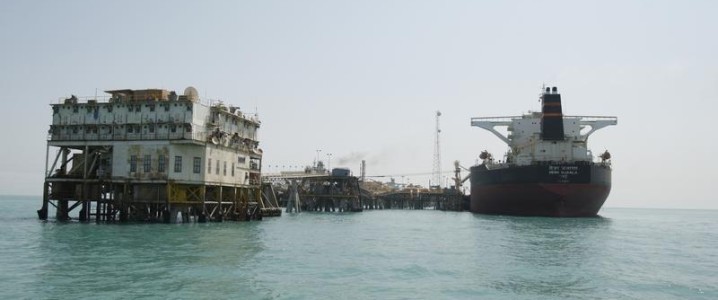
The most critical concern for global energy markets remains the security of Iraq’s vital southern export terminals near Basra. These terminals are the lifeblood of Iraq’s oil trade, through which approximately 85% of the nation’s crude flows to international markets. Any serious escalation in regional tensions or targeted attacks on these facilities could lead to catastrophic disruptions in global oil supply, triggering sharp price increases and undermining energy security worldwide. Investors must closely monitor these geopolitical flashpoints, as they represent the most significant unquantifiable risk to Iraq’s otherwise robust export momentum and, by extension, to global crude markets.
Investor Outlook: Balancing Opportunity and Risk
In summary, Iraq presents a compelling yet complex case for energy investors. Its surging crude exports to the U.S., commitment to OPEC+ production discipline, and the critical fiscal relief derived from oil sales paint a picture of a nation leveraging its vast hydrocarbon wealth. However, the pervasive geopolitical risks emanating from the broader Middle East conflict, coupled with internal security challenges, introduce considerable uncertainty.
For investors navigating the volatile energy landscape, Iraq serves as a microcosm of the delicate balance between supply fundamentals and geopolitical instability. While the demand for its heavy crude remains strong and its production compliance supports market equilibrium, the potential for regional escalation to disrupt its vital export infrastructure cannot be overstated. Prudent investment strategies will require continuous monitoring of both crude market dynamics and the evolving security situation in the Middle East, recognizing that political developments in the region can rapidly reshape the global energy outlook.