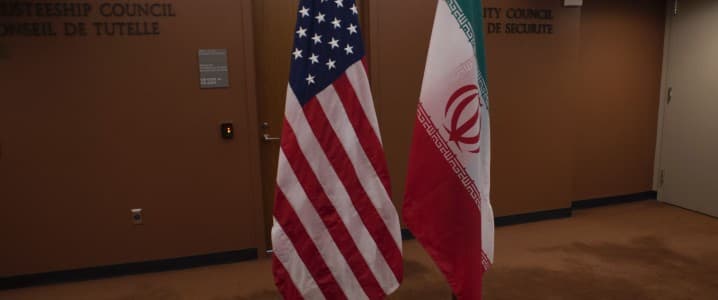
The intricate dance of international diplomacy has once again seized the attention of global energy markets, as reports emerge suggesting a potential de-escalation in the long-standing nuclear standoff with Iran. In a development that could significantly recalibrate geopolitical risk premiums, Tehran has reportedly signaled its readiness to cap uranium enrichment at 60% purity, a level perilously close to weapons-grade material. This overture, viewed by many analysts as a calculated move in indirect discussions with the United States, holds profound implications for crude oil prices, regional stability, and the broader landscape of energy investing.
For investors closely monitoring the volatile Middle Eastern energy complex, this latest signal from Iran offers a glimmer of hope amidst a period of heightened uncertainty. The proposed halt at 60% purity, a critical threshold, suggests a willingness to engage in a diplomatic pathway. In return for this concession, the Islamic Republic seeks two primary assurances: formal acknowledgment from the U.S. of its inherent right to enrich uranium for peaceful, civilian applications under the Non-Proliferation Treaty (NPT), and crucially, the unfreezing of billions of dollars in its assets currently held abroad. The release of these funds would provide a much-needed economic lifeline to a nation grappling with severe international sanctions, potentially influencing its economic trajectory and, by extension, its future role in global energy supply.
Washington’s Measured Response Amidst Shifting Sands
This tentative diplomatic momentum coincides with a notable shift in Washington’s strategic posture regarding the region. President Donald Trump, in a recent interview, confirmed advising Israeli Prime Minister Benjamin Netanyahu to exercise restraint and “back off” from any unilateral military action against Iran. This intervention comes after a period where fears of a preemptive Israeli strike intensified, sending tremors through commodity markets. Such a strike, many analysts posited, carried the grave risk of igniting a wider regional conflict, with potentially catastrophic consequences for global energy flows, particularly through the Strait of Hormuz, a critical chokepoint for a substantial portion of the world’s crude oil shipments.
Despite the apparent diplomatic opening, U.S. officials maintain a cautious and pragmatic stance. The Biden administration remains acutely aware of the complexities involved and has expressed reservations about prematurely committing to significant sanctions relief or the transfer of frozen financial assets without concrete, verifiable demonstrations of Iranian compliance. The skepticism is warranted, given the historical precedent and the inherent challenges in verifying nuclear commitments. The path to a comprehensive agreement is fraught with political hurdles and requires meticulous due diligence, particularly when considering the need for congressional consensus and buy-in, which often proves elusive in such high-stakes international negotiations.
The IAEA’s Critical Oversight and Verification Challenge
Central to any durable resolution remains the rigorous oversight of the International Atomic Energy Agency (IAEA). The agency’s director, Rafael Grossi, has underscored the formidable challenge of ensuring meaningful transparency from Tehran, stating that the “jury is still out” on Iran’s readiness for comprehensive verification measures. He candidly acknowledged the uncertainty surrounding the talks, remarking, “We don’t know whether there’s going to be an agreement or not.” For energy investors, the IAEA’s pronouncements serve as a vital barometer of progress. A lack of robust verification would render any agreement fragile, prone to future breaches, and perpetuate the underlying geopolitical risk that often translates into heightened volatility in crude oil prices.
The intricate details of verification are not merely technical; they are deeply political. Ensuring that Iran genuinely adheres to its commitments requires unprecedented access for inspectors, continuous monitoring of nuclear facilities, and full transparency regarding its nuclear program’s past and present activities. Without this comprehensive framework, the international community, and by extension, the global energy market, will struggle to trust any deal’s long-term viability. This trust deficit directly impacts investor confidence, influencing decisions on long-term capital deployment in the Middle East and beyond.
Oil Market Reaction: Volatility as the New Normal
The direct impact of these geopolitical anxieties on energy markets became strikingly evident earlier this week. Oil prices surged over 4% on Tuesday alone, a visceral reaction as investors rapidly priced in the escalating risk of a potential Israeli preemptive strike. The prospect of such a conflict immediately triggered fears of significant disruptions to global energy supplies, particularly from the Persian Gulf region, which accounts for a substantial portion of global crude exports. Traders and portfolio managers moved swiftly to adjust positions, reflecting the perceived increase in geopolitical risk premium.
However, the latest reports of a potential diplomatic opening offer a counterbalance to these anxieties. A genuine de-escalation of tensions could ease the geopolitical risk premium currently embedded in oil prices, potentially leading to a stabilization or even a downward correction, assuming no other bullish factors emerge. For oil and gas investors, understanding the nuanced interplay between diplomatic signals and market fundamentals is paramount. While a reduction in geopolitical risk is generally positive, the market remains sensitive to the potential for increased Iranian oil exports should sanctions eventually be lifted. The re-entry of significant volumes of Iranian crude onto the global market could reshape supply-demand dynamics, impacting prices and the profitability of other producers.
The Broader Strategic Implications for Energy Investing
This current round of indirect discussions marks the latest chapter in a protracted saga, with five rounds of talks reportedly having taken place between Iran and the U.S. This persistent engagement underscores the high stakes involved for all parties. For Iran, its uranium enrichment program has become a powerful piece of geopolitical currency, a tool to leverage concessions and assert its regional influence. For Washington, the negotiations represent a critical test of its diplomatic resolve, balancing national security interests with the complexities of international alliances and domestic political pressures.
The outcome of these negotiations will reverberate across the entire energy complex. A successful, verifiable agreement could pave the way for a more stable Middle East, reducing the likelihood of supply shocks and potentially unlocking significant investment opportunities in the region. Conversely, a breakdown in talks or a perceived lack of sincerity from either side would reignite fears, driving up energy commodity prices and forcing investors to recalibrate their risk assessments upwards. Oil and gas investing strategies must therefore remain agile, adapting to the rapidly evolving geopolitical landscape where diplomacy, or its absence, directly shapes market fundamentals and investment returns.
As the international community watches closely, the immediate future of crude oil markets and regional stability hinges on the sincerity and efficacy of these delicate diplomatic overtures. Investors in the energy sector must remain vigilant, understanding that while a pause in escalation offers momentary relief, the path to a lasting solution is long, complex, and prone to sudden shifts.