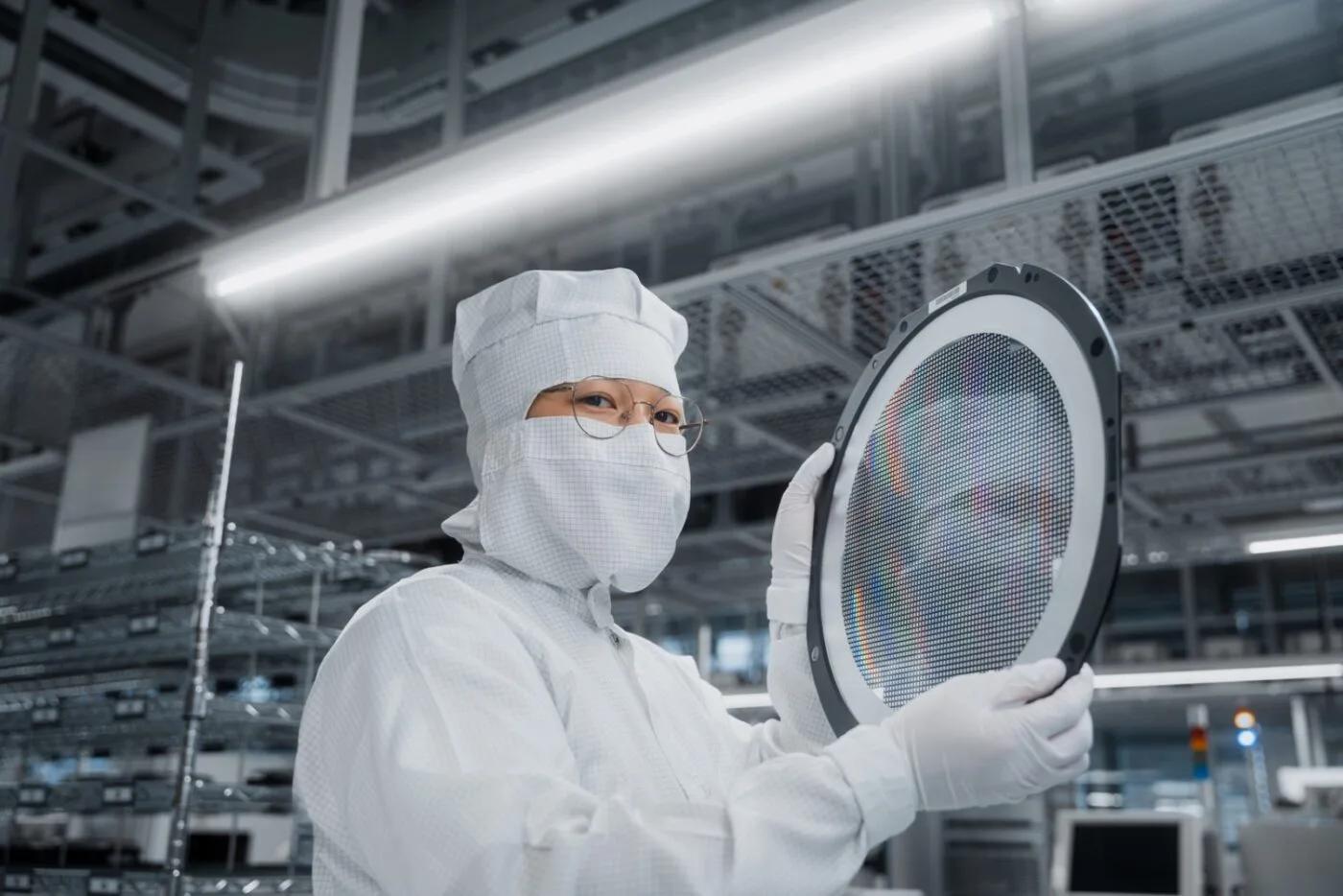
A significant industrial expansion in Germany is poised to amplify the nation’s energy demands, signaling critical shifts for investors tracking European power markets. Infineon’s ambitious new semiconductor manufacturing facility in Dresden, backed by substantial public funds, highlights the escalating electricity requirements driven by advanced technology production, particularly for the burgeoning electric vehicle sector.
The German Federal Ministry for Economic Affairs recently confirmed a substantial subsidy package, allocating €920 million towards Infineon’s Dresden site. This investment underpins the expansion of the chip plant, a strategic move designed to meet a surging global appetite for semiconductors, with electric mobility emerging as a primary growth engine. For energy investors, this directly translates into a palpable increase in industrial power draw on the German grid.
Germany’s Industrial Power Play: The Smart Power Fab
Infineon’s project, dubbed the Smart Power Fab, represents a critical addition to its existing Dresden operations. This expansion, known as ‘Factory Module 4,’ will introduce a cutting-edge facility capable of producing 300-millimetre wafers. A standout feature of this new factory is its highly flexible manufacturing line, which Infineon touts as the first globally to process diverse technologies on the same equipment without requiring extensive retooling. This operational efficiency is key to meeting dynamic market needs and underscores the high-tech nature, and thus high-energy consumption, of the production process. The project is also a significant job creator, expected to generate up to 1,000 new positions.
The financial scale of this undertaking is considerable. While Infineon itself commits €5 billion to the large-scale project, public funding plays a pivotal role. Beyond the €920 million from the German federal government, the Smart Power Fab will also benefit from additional support under the European Chips Act and the ‘Important Project of Common European Interest on Microelectronics and Communication Technologies’ (IPCEI ME/CT). Collectively, public funding for the Dresden site is projected to reach approximately €1 billion. This robust governmental backing underscores the strategic importance of semiconductor production for European industrial resilience, a resilience that fundamentally depends on a stable and abundant energy supply.
Powering the Future: Electric Mobility and Grid Strain
For oil and gas investors, the link between semiconductor manufacturing and energy demand is direct and substantial. The production of advanced chips, especially those destined for electric vehicles, is an extremely energy-intensive process. Cleanroom environments, sophisticated HVAC systems, high-power manufacturing equipment, and extensive cooling infrastructure all contribute to a significant electricity footprint. As Germany continues its energy transition, decommissioning nuclear and coal-fired power plants, this surge in industrial electricity demand places increased pressure on the grid and accentuates the role of natural gas as a critical bridge fuel for power generation.
Infineon’s focus on electric mobility chips is particularly telling. Every electric vehicle relies heavily on power semiconductors for motor control, battery management, and charging systems. As EV adoption accelerates globally, the demand for these components—and consequently, the energy required to produce them—will only grow. This sustained industrial growth, concentrated in key regions like Saxony, will inevitably translate into higher electricity consumption, influencing wholesale power prices and potentially increasing Germany’s reliance on imported energy sources, including natural gas.
Strategic Imperatives and Energy Security
The European Commission had already greenlit Germany’s subsidy contribution back in February, paving the way for the confirmed funding. In exchange for this public investment, Infineon has committed to investing in R&D for next-generation chips within Europe and contributing to crisis preparedness. This latter requirement, stipulated by the European Chips Act, mandates the company to prioritize critical orders during supply disruptions. This focus on strategic autonomy and supply chain resilience has direct implications for energy security. A robust industrial base, capable of meeting critical technology demands, requires an equally robust and secure energy infrastructure, making energy supply a central pillar of national and European strategic planning.
Construction of the Smart Power Fab, currently one of Germany’s largest building sites, is progressing on schedule. The shell of the plant is nearly complete, with a topping-out ceremony held in early April. Groundbreaking officially occurred in May 2023, following an early project start approval from the German government. Production is slated to begin in 2026, building on Infineon’s decades-long presence at its existing Dresden facility, operational since 1994.
Jochen Hanebeck, Infineon CEO, emphasized the project’s significance, stating, “The final funding approval for our Smart Power Fab is an important milestone for us as a company and is a clear signal to the European semiconductor ecosystem. We are grateful to the German federal government, the Free State of Saxony and to the European Union for their support. The semiconductors we manufacture in Dresden are our contribution to making the future value chains of key European industries even more robust.” This sentiment underscores the broader strategic goal of strengthening European industrial capabilities, which inherently links to the energy sector’s ability to support such growth.
Dresden: An Emerging Energy-Intensive Industrial Hub
It is crucial for investors to note that Infineon’s expansion in northern Dresden is not an isolated development. The region is rapidly emerging as a significant hub for semiconductor manufacturing. Notably, the ESMC chip joint venture, a separate entity, is also constructing a major semiconductor plant west of the Dresden airport. ESMC is majority-owned (70 percent) by Taiwan Semiconductor Manufacturing Company (TSMC), with Bosch, NXP, and Infineon itself holding partner stakes. The simultaneous development of multiple gigafabs in close proximity dramatically magnifies the expected increase in regional electricity demand, creating a concentrated load on the local and national grid.
The collective industrial growth in Dresden, driven by these multi-billion-euro investments in high-tech manufacturing, presents a compelling case for increased energy infrastructure spending and a potential uplift in natural gas demand for power generation in Germany. As Europe navigates its energy transition, these large-scale industrial projects serve as critical indicators of the evolving energy landscape, demanding attention from investors in the oil, gas, and broader energy sectors.


