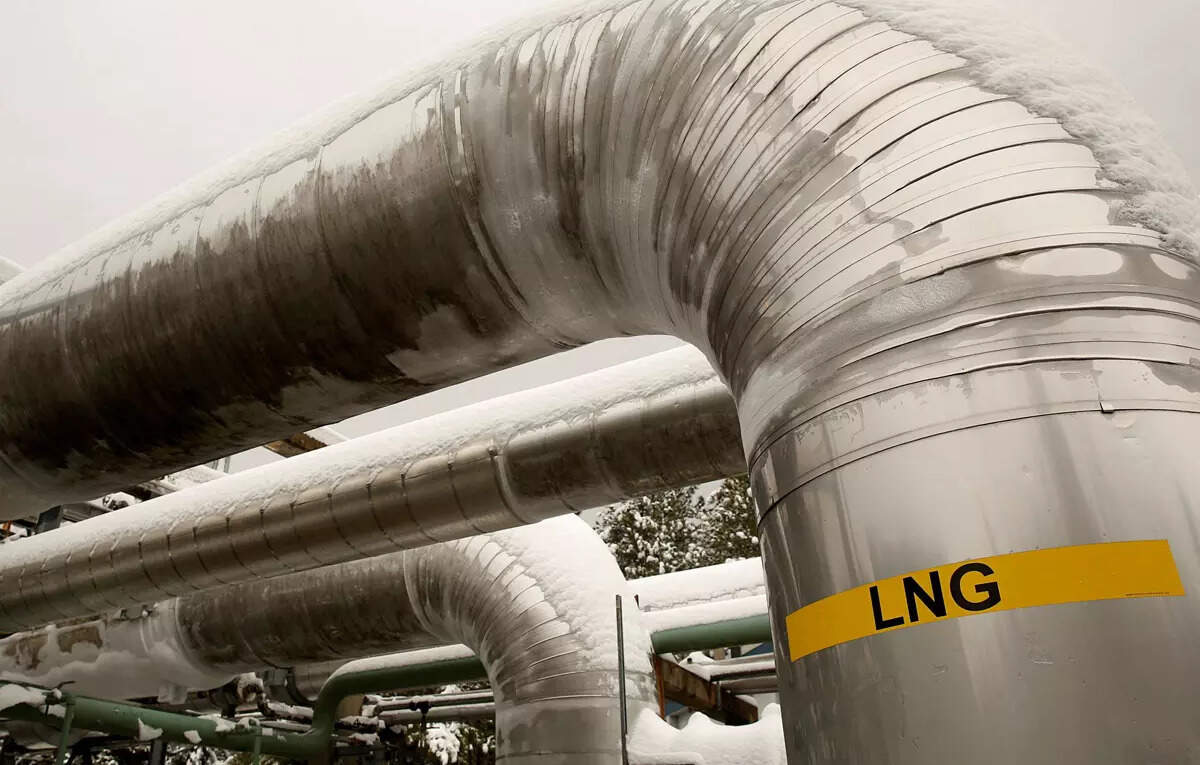
India’s burgeoning economy and strategic energy security goals are converging, setting the stage for a potentially transformative shift in its energy import landscape. As the nation’s exports to the United States continue their upward trajectory, officials are actively exploring avenues to significantly bolster imports of critical energy commodities such as shale gas, liquefied natural gas (LNG), and crude oil from America. This strategic pivot is driven by the dual objectives of diversifying India’s energy import basket and capitalizing on the comparatively lower prices offered by US suppliers. With the next round of bilateral trade agreement (BTA) discussions between the two nations commencing this week, the implications for global energy markets, and particularly for investors tracking the dynamic interplay of supply and demand, are profound. This analysis delves into the underlying motivations, current market conditions, and future catalysts shaping this critical energy relationship.
India’s Strategic Energy Diversification Imperative
India’s economic growth fuels an ever-increasing demand for energy, making supply security and cost-efficiency paramount. The strategic intent to increase imports of US shale gas, LNG, and crude oil is a clear reflection of this imperative. Officials highlight the benefit of diversified sources, asserting that greater variety directly translates to enhanced national benefit. The United States has solidified its position as India’s largest trading partner for the fourth consecutive year in 2024-25, with bilateral trade reaching a substantial USD 131.84 billion. This robust commercial relationship, where India currently enjoys a significant trade surplus and relies on US exports for approximately 18% of its total goods exports, provides a strong foundation for expanded energy trade. The ambitious target set in February 2025 by US President Donald J. Trump and Indian Prime Minister Narendra Modi to more than double bilateral trade to USD 500 billion by 2030, from the current USD 191 billion, underscores the long-term vision. This growth trajectory is poised to unlock substantial opportunities for US energy producers and for investors keen on the demand-side dynamics emanating from one of the world’s largest and fastest-growing economies.
Current Market Dynamics Favoring US Energy Exports
The current global energy market landscape further enhances the attractiveness of US energy commodities for India. As of today, Brent Crude trades at $96.08 per barrel, marking a 1.36% increase within a day range of $91 to $96.89. Similarly, WTI Crude stands at $92.7 per barrel, up 1.56% within its daily range of $86.96 to $93.3. While these represent slight daily upticks, it’s crucial for investors to note the broader trend: Brent crude experienced a notable decline of approximately 8.8% in the preceding fourteen days, dropping from $102.22 to $93.22. This recent softening in crude prices, combined with generally lower US pricing for crude, shale gas, and LNG, provides a compelling economic incentive for Indian importers. For investors asking about Asian LNG spot prices, India’s strategic shift toward the US indicates a proactive move to secure competitive pricing and reduce reliance on potentially volatile regional markets. The availability of diverse, competitively priced US energy supplies acts as a natural hedge against geopolitical risks and price fluctuations elsewhere, aligning perfectly with India’s long-term energy security objectives.
Navigating Trade Complexities and Upcoming Milestones
While the economic rationale for increased US-India energy trade is strong, the path forward is not without its complexities. The ongoing bilateral trade agreement (BTA) negotiations are critical, with India emphasizing its pursuit of a “balanced and mutually beneficial” outcome, where the specifics of the deal will be weighed against terms offered to other nations. Significant uncertainties persist, including potential US tariff increases on steel and the impact of various court orders on existing trade decisions. India has historically demonstrated a firm stance on protecting its interests, having reserved the right to impose retaliatory tariffs against US duties on steel and aluminum, and seeking WTO consultations on auto components. Investors should closely monitor the next round of BTA talks commencing this week. A key forward-looking milestone is the announced plan to negotiate the “first tranche or phase” of this multi-sector BTA by Fall (September-October) of 2025. Progress on this front will be a significant indicator of the pace and scale of future energy trade expansion, providing clearer signals for long-term investment strategies in both US energy export infrastructure and India’s import capacity.
Investor Focus: Q2 Outlook and Key Catalysts
For investors seeking a base-case Brent price forecast for the next quarter and the broader consensus for 2026, the evolving US-India energy relationship adds a nuanced layer to the global supply-demand equation. While short-term price movements will be influenced by immediate factors like the upcoming Baker Hughes Rig Count reports on April 17 and April 24, and the crucial OPEC+ meetings (JMMC on April 18, Full Ministerial on April 20), India’s long-term import strategy represents a significant structural demand driver. The weekly API and EIA Crude Inventory reports, scheduled for April 21, 22, 28, and 29, will provide further insights into current market balances. However, the potential for India to substantially boost its US energy imports directly addresses the investor question regarding future demand centers. A successful BTA, particularly one that facilitates greater energy trade, could provide a consistent demand floor for US shale oil, natural gas, and LNG. This makes the BTA discussions a critical catalyst to watch, potentially underpinning price stability and growth for US energy producers, even as overall market volatility persists. Investors should consider how this long-term demand growth from India could counterbalance other global supply-side factors in their forward-looking models.


