India’s State Refiners Chart Course for Domestic Maritime Dominance with $600M Vessel Order
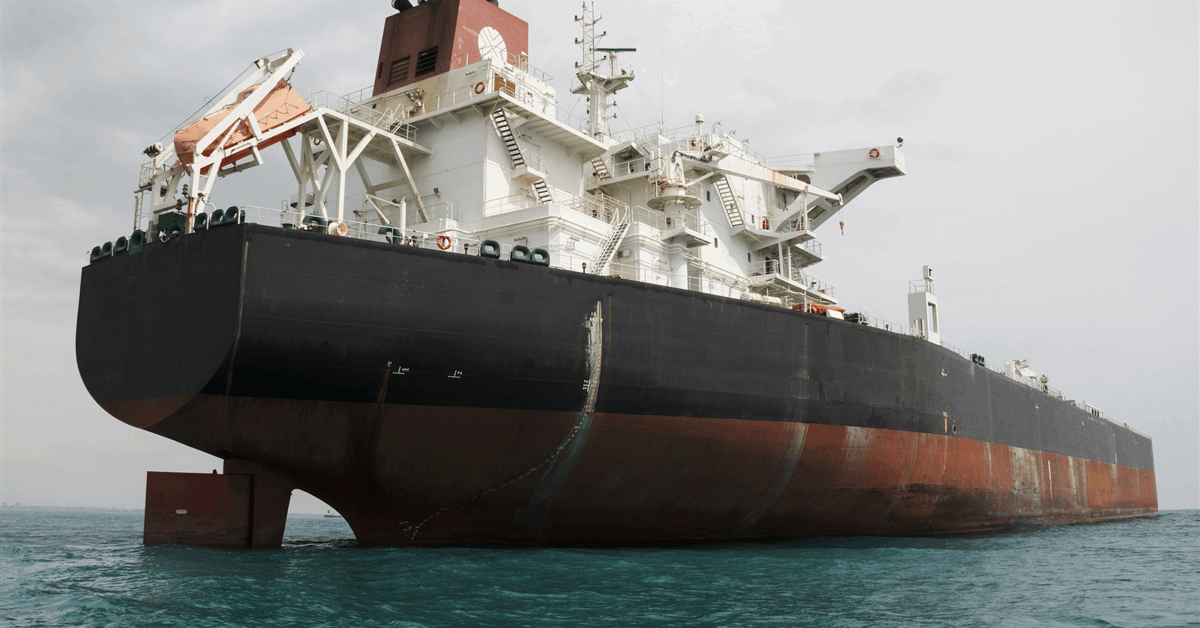
India’s leading state-owned petroleum refiners are setting a bold course toward bolstering national energy security and stimulating indigenous industrial growth. A strategic initiative is underway to commission ten new, domestically manufactured medium-range (MR) tankers, marking a significant investment in the nation’s maritime logistics infrastructure and shipbuilding capabilities.
Indian Oil Corporation (IOC), Bharat Petroleum Corporation (BPCL), and Hindustan Petroleum Corporation (HPCL) are reportedly planning to issue a joint tender later this year for these crucial vessels. Sources close to the development, who requested anonymity as the information remains private, indicate this ambitious undertaking could be valued at approximately $600 million. The ambitious timeline targets delivery of these new tankers by 2028, signaling a rapid acceleration in India’s drive for self-reliance in critical energy transportation assets.
Strategic Imperative: Building National Maritime Strength
This move aligns with the Indian government’s overarching vision to significantly expand its domestic shipbuilding industry. In an increasingly volatile global landscape, maritime vessels are universally recognized as vital national strategic resources, underpinning energy supply chains, international trade, and defense capabilities. India currently boasts around 40 shipyards, though only four possess the capacity to construct vessels larger than the medium-range tankers now being sought. This order represents a pivotal opportunity to elevate the capabilities and output of the domestic shipbuilding sector.
The planned MR tankers are specified to range between 50,000 and 60,000 deadweight tons (DWT). Industry insiders suggest that the tender could price each vessel in the range of $55 million to $60 million. Ownership distribution among the refining giants is anticipated, with Indian Oil Corporation projected to acquire six of the vessels, while Bharat Petroleum Corporation and Hindustan Petroleum Corporation are each expected to own two.
Financial Dynamics and Refiner Reservations
While the strategic benefits are clear, the financial implications for the state refiners present a more complex picture. Sources indicate a degree of reluctance among the refining companies regarding direct ownership and operation of these tankers. Their current operational model often favors chartering vessels, which can be a more economically efficient approach compared to the substantial capital expenditure and ongoing operational costs associated with owning a fleet.
Consequently, the refiners have reportedly engaged with the government to explore potential financial support mechanisms. This dialogue underscores the tension between national strategic priorities and the commercial realities faced by publicly traded entities. Investors will be keenly watching how these discussions evolve, as government backing could significantly de-risk the investment for the refiners and ensure the project’s viability.
The cost consideration is particularly pertinent. Acquiring locally built ships may entail a premium compared to international alternatives. For context, an average South Korean-built medium-range tanker, often considered a benchmark for quality, commanded approximately $50 million last month. Chinese-made vessels, conversely, were reportedly about $7 million less expensive. This comparison highlights the potential additional cost burden that Indian refiners might absorb in pursuit of domestic production, further necessitating government incentives or subsidies to balance the economic equation.
Enhancing Downstream Logistics and Energy Security
India’s downstream oil sector relies on a diversified transportation network. According to the nation’s oil industry downstream regulator, more than half of India’s domestically produced fuels are currently moved via an extensive pipeline network. However, coastal routes remain crucial, accounting for approximately 13 percent of the country’s petroleum product transportation. The addition of these ten MR tankers will significantly enhance the flexibility, reliability, and security of this coastal shipping segment.
From an investor perspective, this initiative signals a robust commitment to fortifying India’s energy supply chain resilience. Reducing reliance on international shipping markets, which are susceptible to geopolitical disruptions and freight rate volatility, can lead to greater predictability in transportation costs and enhanced supply stability. This long-term strategic play, while carrying upfront costs, is designed to yield substantial dividends in national energy independence and economic stability.
Market Outlook and Investment Implications
For investors focused on the oil and gas sector, this development in India offers several key takeaways. Firstly, it underscores the continued growth and strategic importance of the Indian energy market. The nation’s expanding economy and rising energy demand necessitate continuous investment in infrastructure, from refining capacity to distribution logistics.
Secondly, it highlights the increasing intersection of energy policy with industrial policy. Government support for domestic shipbuilding, even if it means higher initial costs for refiners, reflects a broader commitment to local manufacturing and job creation. This could pave the way for future similar orders, potentially benefiting domestic shipyards and associated industries.
Finally, the nuanced financial discussions between refiners and the government will be critical to monitor. The structure of any financial support or incentives will directly impact the balance sheets of IOC, BPCL, and HPCL, influencing their profitability and capital allocation strategies in the coming years. This domestic maritime expansion is not just about moving oil; it’s about anchoring India’s energy future in self-sufficiency and strategic autonomy, offering a compelling narrative for long-term investors in the region’s energy infrastructure.