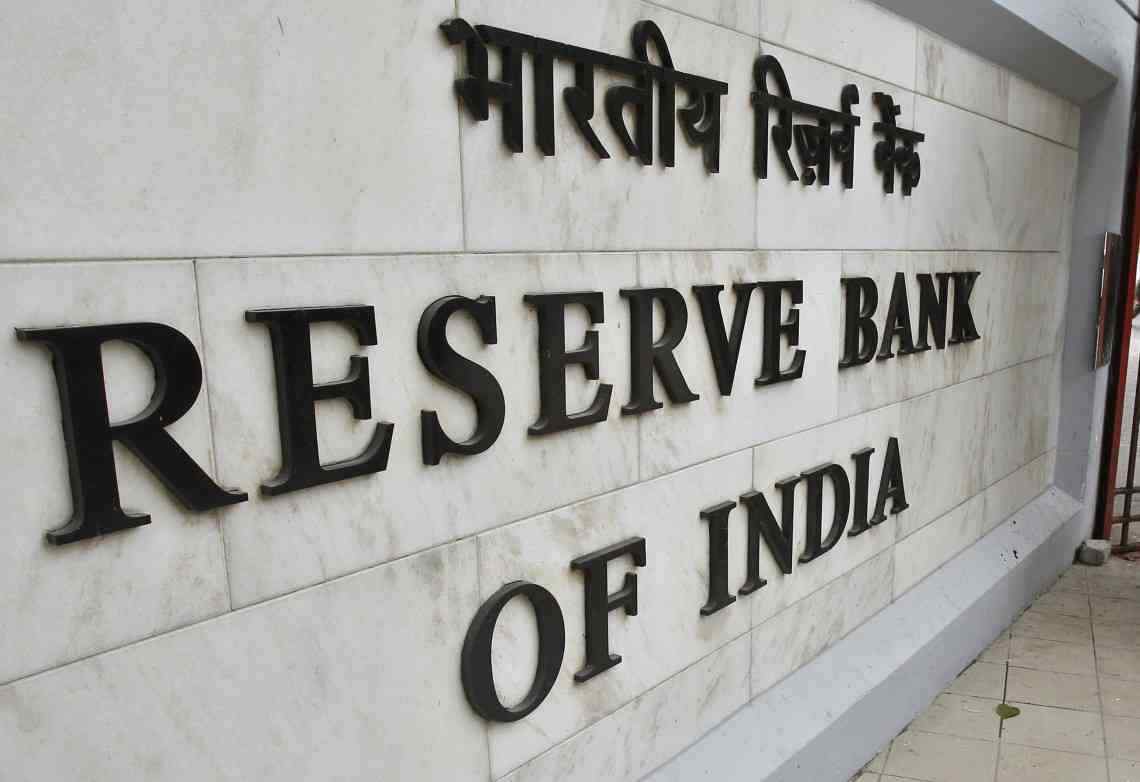
India, a colossal and rapidly expanding energy market, is on the precipice of a significant transformation in its financial sector. The Reserve Bank of India (RBI) is moving to integrate robust climate risk frameworks, adapting global best practices like the Basel Committee’s guidelines to its unique economic landscape. This strategic pivot, driven by a recent blueprint, is not merely a bureaucratic exercise; it represents a fundamental reshaping of capital allocation, risk assessment, and investment flows within India’s energy complex. For oil and gas investors, understanding these evolving regulations is paramount, as they will directly influence project viability, financing costs, and the long-term strategic direction of one of the world’s most critical energy consumers.
RBI’s Dual Approach: Fortifying Financial Stability Against Climate Shocks
The RBI’s impending climate risk framework emphasizes a critical dual approach, seeking to weave together both microprudential and macroprudential oversight. While global guidelines, such as the Basel principles, often focus on the resilience of individual financial institutions, the Indian initiative underscores the imperative of broader systemic stability. Regulators recognize that climate-related shocks, from extreme weather events impacting infrastructure to disruptions in agricultural output and supply chains, could amplify vulnerabilities across India’s financial system. This proactive stance aims to safeguard the economy from potential systemic risks, ensuring that India’s ambitious growth trajectory is not derailed by unmitigated climate exposures. For energy companies, this means banks will increasingly scrutinize climate-related risks in lending decisions, pushing for greater transparency and robust transition plans. Projects perceived as having higher climate transition or physical risks will likely face higher capital charges or stricter lending criteria, directly impacting the cost of capital for traditional fossil fuel ventures.
Global Market Realities Meet India’s Green Ambitions
The global energy market continues to present a complex backdrop against which India’s regulatory shifts are taking shape. As of today, April 17, 2026, Brent Crude trades at $98.51, reflecting a -0.89% decline on the day, with a range between $97.92 and $98.67. WTI Crude mirrors this sentiment, trading at $90.06, down -1.22%, within a daily range of $89.57 to $90.26. Gasoline prices remain stable at $3.09. This recent softening contrasts with a more significant trend; Brent has seen a notable decline from $112.57 on March 27, 2026, to its current level, marking a $14 or 12.4% decrease over the past 14 days. This volatility in crude prices underscores India’s strategic imperative to diversify its energy mix and reduce import dependency. While lower prices might temporarily ease import bills, the long-term regulatory push by the RBI signals an unwavering commitment to de-risking the financial system from fossil fuel exposure. This creates a powerful incentive for domestic investment in renewable energy, energy efficiency, and grid modernization, even as traditional oil and gas projects face greater scrutiny.
Investor Focus: Navigating Capital Allocation and Risk in Energy
Our proprietary reader intent data reveals a clear focus among investors on understanding core market drivers and data sources. Questions ranging from “What are OPEC+ current production quotas?” and “What is the current Brent crude price and what model powers this response?” to queries about EnerGPT’s data sources highlight a sophisticated audience seeking granular market intelligence. However, India’s evolving climate finance rules introduce a new, critical layer to this analysis. While investors closely track global supply-demand dynamics and price models, the RBI’s guidance will fundamentally alter how financial institutions assess and price risk for energy investments within India. This means that a project’s financial viability will increasingly depend not just on commodity prices or technical feasibility, but also on its alignment with evolving climate resilience standards. Capital will naturally flow towards projects that demonstrate lower climate risk, robust transition plans, and contribute to India’s sustainable growth objectives. Investors need to integrate these regulatory shifts into their risk models, understanding that “green” credentials are fast becoming a financial necessity, not just an ESG aspiration.
Upcoming Catalysts and the Accelerating Energy Transition
The next two weeks present a flurry of events that will shape global energy markets, against which India’s climate finance reforms will exert their influence. The Baker Hughes Rig Count on April 17th and April 24th will offer insights into North American supply dynamics. More critically, the OPEC+ Joint Ministerial Monitoring Committee (JMMC) meeting on April 18th, followed by the full OPEC+ Ministerial Meeting on April 20th, could provide significant directional cues for global crude supply and pricing. Further insights into demand and inventory levels will come from the API Weekly Crude Inventory reports on April 21st and April 28th, and the EIA Weekly Petroleum Status Reports on April 22nd and April 29th. These global supply-side developments will directly impact India’s energy security calculations. Should OPEC+ maintain or deepen production cuts, leading to higher prices, India’s resolve to accelerate its energy transition – bolstered by the RBI’s new financial frameworks – will only strengthen. This regulatory push will de-risk renewable energy investments for local banks, making them more attractive financing propositions compared to traditional fossil fuel projects. Investors should anticipate a significant uptick in green bond issuances and project finance for renewable energy, energy storage, and green hydrogen initiatives, driven by both market economics and an increasingly supportive regulatory and financial ecosystem within India.


