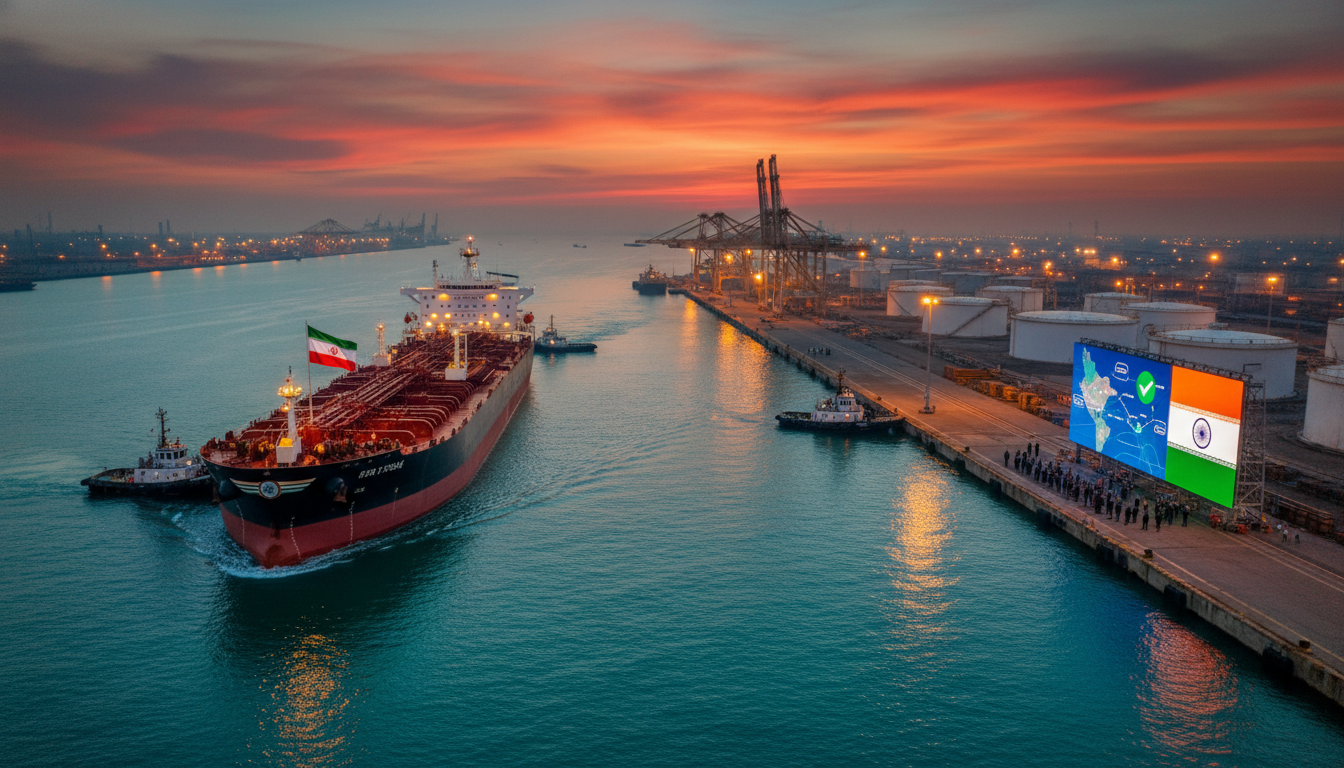
In a significant move poised to send ripples across global oil markets and geopolitical strategy, India’s shipping ministry has granted special, one-time clearance for four tankers carrying Iranian crude to berth at the strategically vital Sikka port. This critical decision, requested by the refining giant Reliance Industries, underscores India’s dynamic approach to energy security amidst persistent international sanctions and volatile global supply dynamics.
Industry insiders, speaking on condition of anonymity due to the sensitive nature of the information, confirmed the rare approval. Reliance Industries, which operates the world’s largest refining complex, sought this special dispensation, highlighting the complex dance between national energy imperatives and the intricate web of global sanctions. Neither India’s oil ministry, shipping ministry, nor Reliance itself have offered official comments on the development, leaving market analysts to dissect the implications.
Navigating the Sanctions Labyrinth: India’s Calculated Risk
The decision to allow Iranian oil imports is not straightforward. Historically, Iranian crude has frequently moved via a “shadow fleet” – vessels operating without the standard, internationally recognized insurance and safety certifications. Indian regulations typically prohibit such ships from docking without explicit government exemption, making this recent approval a notable exception. One source indicated the shipping ministry granted this special reprieve to Reliance due to an “emergency situation” precipitated by disruptions in the Strait of Hormuz, a critical chokepoint for global oil transit. This suggests a perceived immediate need to secure specific crude supplies, potentially signaling heightened concerns over future market stability or supply access.
However, despite the green light for docking, the actual processing of Iranian oil by Reliance remains uncertain. A separate source revealed that Reliance is meticulously ensuring that any transactions involving Iranian crude are fully compliant with existing international sanctions and align seamlessly with Indian regulatory frameworks. This cautious stance by such a prominent industry player reflects the significant legal and financial risks associated with engaging in sanctioned oil trade, even with a government waiver.
Geopolitical Flexures and Market Dynamics for Crude Oil Investors
India, as the world’s third-largest oil importer and consumer, constantly seeks diversified and cost-effective crude sources to fuel its burgeoning economy. The nation has largely ceased receiving Iranian crude shipments since May 2019, succumbing to intense pressure from the United States to reduce energy dealings with Tehran. This recent development, therefore, represents a significant policy inflection point for India’s energy diplomacy and its relationship with key global partners.
Adding another layer of complexity, the United States last month introduced a temporary waiver on sanctions targeting Iranian oil purchases at sea. This move was ostensibly aimed at tempering rising global crude oil prices. Crucially for investors, this temporary waiver is set to expire on April 19, making the current window for such transactions extremely narrow. The short duration of the waiver emphasizes the ongoing volatility and political influence on global oil supply chains, urging investors to monitor geopolitical developments closely.
The precedent set by other Indian refiners also warrants investor attention. Ship tracking data confirms that Indian Oil Corp, the nation’s premier refiner, previously acquired Iranian oil transported by the sanctioned tanker “Jaya.” Such past actions underscore India’s willingness to leverage strategic exemptions when market conditions and national interests converge, providing valuable insight into the nation’s proactive energy procurement strategies.
Investment Implications for Oil & Gas Stakeholders
For investors keenly observing the crude oil markets, this situation presents several crucial angles. First, the ability of major refiners like Reliance to access previously restricted crude sources, even temporarily, can impact refining margins. Iranian crude often trades at a discount due to sanctions, offering potentially more favorable economics for processors capable of managing the associated risks.
Second, the episode highlights the persistent geopolitical risks in the Middle East and the critical role of strategic maritime passages like the Strait of Hormuz. Any perceived or actual disruptions can trigger immediate responses from major energy consumers, impacting global crude oil prices and tanker shipping rates. Investors in shipping equities should closely watch the flow of sanctioned oil, as it often involves older vessels and different insurance paradigms, creating unique risk-reward profiles.
Finally, India’s actions serve as a bellwether for emerging market energy policy. As these nations prioritize energy security and economic growth, their willingness to navigate complex international sanction regimes could redefine global oil trade flows. The swift expiration of the U.S. waiver on April 19 will dictate the immediate future of such transactions, but the underlying drive for diversified supply in one of the world’s largest energy consumers remains a powerful, long-term market force. Oil and gas investors should remain attuned to these evolving geopolitical and trade dynamics as they shape the future of global energy markets.