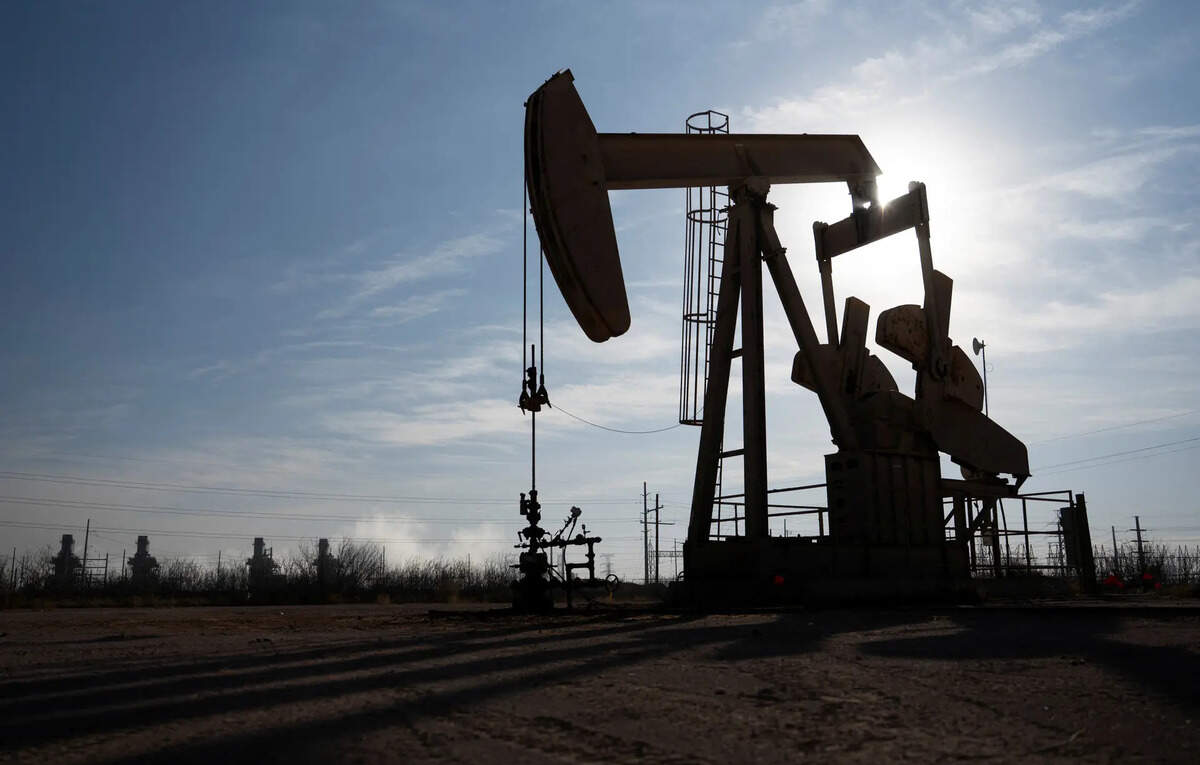
New data paints a complex picture for investors monitoring India’s critical energy sector. April 2025 statistics reveal a notable contraction in indigenous crude oil and condensate production, coupled with a significant plunge in petroleum product exports. These trends signal potential shifts in India’s energy landscape, impacting both upstream investment attractiveness and downstream refining profitability.
India’s Upstream Sector Faces Headwinds
India’s domestic crude oil and condensate production experienced a 3.1 percent year-on-year decline in April 2025, reaching 2.3 million metric tonnes (MMT). This dip in indigenous output underscores ongoing challenges for energy independence and places greater reliance on international markets. Breaking down the production figures, Oil and Natural Gas Corporation (ONGC) contributed 1.5 MMT, maintaining its position as the primary producer. Oil India Ltd (OIL) followed with 0.3 MMT, while production under Production Sharing Contracts/Revenue Sharing Contracts (PSC/RSC) accounted for the remaining 0.5 MMT. These figures highlight the persistent struggle to boost domestic hydrocarbon output, a key strategic objective for the Indian government. For investors, this trend suggests that while major state-owned entities continue to drive much of the production, the overall domestic supply chain faces structural limitations that could influence future capital allocation in exploration and production.
Refining Throughput Shows Marginal Softening
Despite the decline in domestic crude supply, India’s refining sector processed a substantial 21.5 MMT of crude oil in April 2025, reflecting a marginal 0.6 percent decrease compared to the previous year. This resilience in processing capacity, even with reduced local feedstock, emphasizes the nation’s robust downstream infrastructure. Public sector and joint venture (PSU/JV) refiners shouldered the bulk of this activity, processing 15.2 MMT, while private sector players contributed 6.3 MMT. The data also reveals a stark dependency on global crude markets: indigenous crude processed amounted to merely 1.9 MMT, whereas imported crude accounted for a dominant 19.6 MMT across all Indian refineries. This reliance on imports makes India’s refining margins and energy security highly sensitive to international crude price volatility and geopolitical developments, a crucial factor for investors in the refining segment.
Petroleum Product Output Contracts
The production of refined petroleum products in April 2025 registered a 4.2 percent decline from the year-ago period, totaling 22.4 MMT. This contraction suggests a potential adjustment in refinery runs or a response to evolving domestic and international demand dynamics. Of this total, refinery production constituted the vast majority at 22.1 MMT, with fractionators contributing a smaller 0.3 MMT. Analyzing the product mix provides deeper insights into market demand. High-speed diesel (HSD) remained the largest component, accounting for 42.2 percent of the overall output, indicating sustained demand from the industrial and transportation sectors. Motor spirit (MS) followed at 17.5 percent, with naphtha at 6.5 percent and aviation turbine fuel (ATF) at 6.4 percent. Pet coke made up 5 percent, and liquefied petroleum gas (LPG) stood at 4.4 percent. Other products like bitumen, fuel oil/low sulphur heavy stock (FO/LSHS), light diesel oil (LDO), and lubricants comprised the remainder. Investors should closely monitor these product proportions as they reflect underlying economic activity and evolving consumer preferences within India.
Import Dynamics Present a Mixed Bag
On the import front, crude oil imports in April 2025 were marginally lower by 1.0 percent compared to the corresponding month of the previous year. This slight reduction could be attributed to various factors, including inventory management by refiners or a temporary slowdown in demand. More significantly, imports of petroleum oil and lubricants (POL) products saw a more pronounced decline of 9.0 percent. This substantial fall in POL product imports was primarily driven by reduced inbound shipments of fuel oil (FO) and lubricating oil/lube oil base stock (LOBS). A decrease in FO imports might suggest shifts in industrial fuel consumption patterns or increased domestic production capacity for certain heavy distillates. Similarly, lower LOBS imports could indicate either a slowdown in industrial activity or a greater reliance on domestically produced base oils. For companies operating in the lubricants and industrial fuels sectors, these import trends signal important market adjustments and competitive shifts.
Export Plunge Raises Concerns for Refiners
Perhaps the most striking data point for investors is the sharp 12.4 percent fall in exports of POL products in April 2025. This significant decline impacts India’s role as a regional refining hub and could pressure refinery margins. The reduction was predominantly driven by lower exports of high-speed diesel (HSD) and aviation turbine fuel (ATF). As a major exporter of refined fuels, India’s refiners often rely on international markets to offload surplus production, especially of products like HSD and ATF. A substantial drop in these key export categories could stem from weakened global demand, increased competition from other regional refiners, or a strategic shift towards meeting domestic requirements. For investors holding positions in Indian refining companies, this export downturn warrants close scrutiny, as sustained declines could impact profitability and necessitate re-evaluation of expansion strategies.
Investor Outlook: Navigating India’s Energy Evolution
The April 2025 data from India’s energy sector presents a nuanced landscape for investors. The continued struggle to boost indigenous crude production underscores the ongoing challenges in achieving greater energy independence, pointing to persistent upstream investment needs. While refining throughput remains robust, the significant reliance on imported crude subjects the downstream sector to global price volatility. Furthermore, the notable decline in both overall petroleum product output and, critically, POL product exports, suggests a potential rebalancing of supply and demand dynamics, or perhaps intensifying competition in key export markets. Companies heavily invested in India’s oil and gas value chain must carefully analyze these trends, adjusting their strategies to account for the evolving domestic supply picture, fluctuating international demand for refined products, and the continuous push-pull between domestic energy security and global market integration. Monitoring future monthly data will be crucial to ascertain whether these April trends represent a temporary blip or the beginning of a more sustained shift in India’s position within the global energy ecosystem.