India Unlocks a New Era: First Offshore Decommissioning Project Signals Major Market Opportunity
India’s energy landscape has reached a pivotal moment with the successful conclusion of the nation’s inaugural offshore facilities decommissioning project. The Panna-Multa and Tapti (PMT) joint venture, comprising industry giants Shell PLC, Reliance Industries Limited (RIL), and Oil and Natural Gas Corporation Limited (ONGC), has spearheaded this monumental undertaking. This achievement not only marks a significant operational milestone but also heralds the emergence of a crucial new market segment within India’s robust oil and gas sector, presenting fresh avenues for investment and domestic industrial growth.
The project focused on the intricate removal of mid and south Tapti field infrastructure, a complex task following the cessation of production from these assets in March 2016. This pioneering effort by the PMT joint venture, which operates the Tapti fields under a production sharing contract with the Indian government, sets a powerful precedent for future operations in the country’s aging offshore basins. Within the joint venture structure, ONGC maintains a 40 percent equity stake, with RIL and BG Exploration & Production India Ltd (BGEPIL), representing Shell’s interests, each holding a 30 percent share.
Decommissioning in Detail: A Testament to Complex Project Management
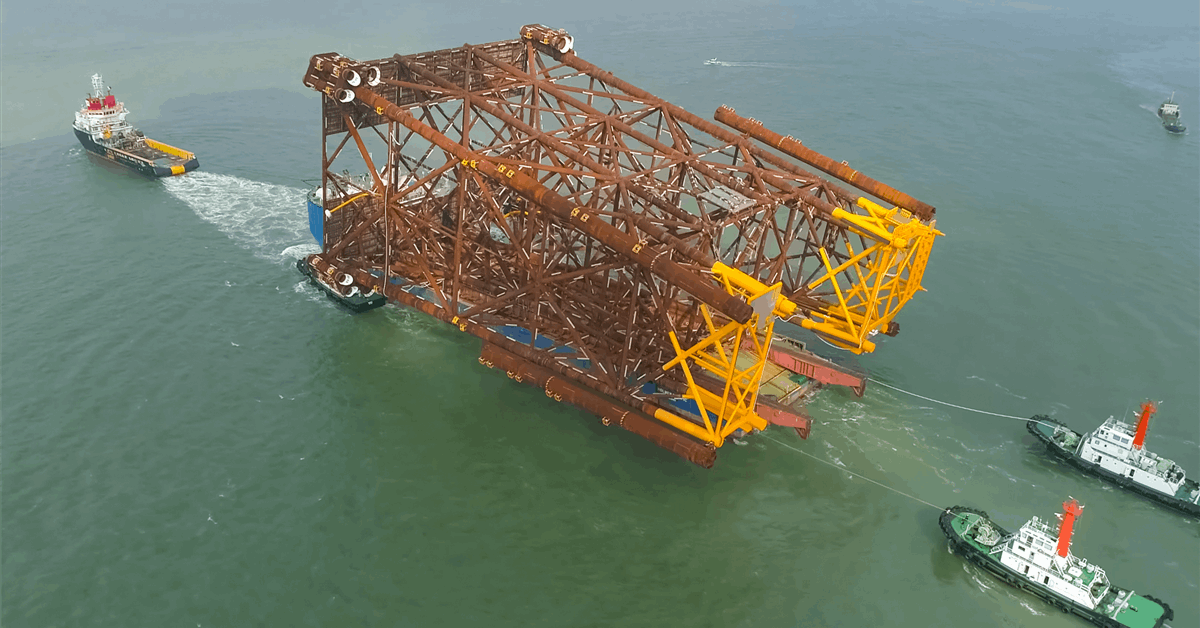
The scope of the Tapti decommissioning was extensive, involving the meticulous removal of five wellhead platforms and their associated infield pipeline networks. A critical component of the project also included the safe and environmentally sound plugging and abandonment of 38 wells. All these operations, from offshore execution to the subsequent load-in at an onshore dismantling yard, were meticulously carried out in strict adherence to an approved decommissioning plan. This level of detail and adherence to process is paramount for investors evaluating the operational capabilities of these companies.
According to Pankaj Kumar, Production Director at ONGC, the undertaking demanded exceptional strategic foresight and precise execution, particularly given its close proximity to ONGC’s active operational assets. He emphasized that safety remained the paramount concern throughout the process. Kumar highlighted the project’s significance, stating it “marks a defining moment in India’s energy landscape and sets a strong foundation for the next chapter in offshore infrastructure transformation.” This statement underscores the strategic importance of this project beyond its immediate operational completion, signaling a future pipeline of similar work.
Fueling “Make in India”: Empowering Domestic Industry
A key strategic imperative behind the Tapti project was its alignment with the Indian government’s ambitious “Make in India” initiative. In a move designed to bolster local capabilities and foster indigenous expertise, the PMT JV deliberately awarded key contracts to Indian firms. Larsen and Toubro (L&T), a prominent Indian multinational conglomerate, was entrusted with the complex offshore operations, demonstrating confidence in domestic engineering prowess. For the onshore dismantling phase, Chowgule Shipyard (CLSPL) was selected, with dismantling activities currently ongoing at their state-of-the-art facilities in Ratnagiri. This strategic choice not only supports national economic goals but also cultivates a specialized supply chain critical for the burgeoning decommissioning market.
Sanjay Barman Roy, President for E&P at Reliance Industries Limited, articulated this vision, noting that from the outset, the joint venture partners “worked tirelessly to strengthen local supply chains and enhance the technical and safety capabilities of Indian contractors especially for offshore dismantling activities.” He further affirmed that “this project has successfully delivered on the Indian Government’s ambition of ‘Make and Break in India’,” emphasizing the full lifecycle capability now being developed domestically.
Setting Global Benchmarks: Regulatory Evolution for Future Investment
Beyond the technical and operational achievements, the Tapti decommissioning project has played a crucial role in shaping and solidifying India’s regulatory and operational framework for offshore decommissioning. This framework was developed through extensive collaboration with key stakeholders, including the Ministry of Petroleum and Natural Gas (MoPNG), the Directorate General of Hydrocarbons (DGH), and the Oil Industry Safety Directorate (OISD). By adapting global best practices to local conditions, India has established a robust and transparent regulatory environment, which is a critical factor for attracting future domestic and international investment into this new service sector.
Nipun Pradhan, Managing Director at BGEPIL and GM Shell Upstream India, reflected on this accomplishment, calling the “safe and successful completion of the Tapti offshore project a landmark moment for India’s offshore energy sector.” He stressed that the project “sets a new benchmark for responsible decommissioning, made possible by global expertise, strong collaboration, and an unwavering commitment to safety and sustainability.” This focus on responsible decommissioning aligns perfectly with evolving global ESG (Environmental, Social, and Governance) investment criteria, making India’s emerging decommissioning market attractive to a broader pool of capital.
Investment Outlook: A New Frontier for Oil & Gas Services
The successful completion of the Tapti project signifies more than just the end of an operational phase for a few fields; it marks the definitive opening of a new, high-value market segment in India. As other mature offshore assets reach the end of their productive lives, the demand for specialized decommissioning services will only escalate. This creates substantial opportunities for energy services companies, engineering firms, and maritime operators, both Indian and international, to invest in specialized equipment, training, and expertise.
For investors, this development highlights several key points: the proactive management of end-of-life assets by major players like ONGC, RIL, and Shell; the government’s commitment to fostering a domestic supply chain; and the establishment of a clear, globally aligned regulatory pathway for future projects. This structured approach de-risks future decommissioning ventures and provides a clear roadmap for companies looking to enter or expand within this critical segment of the oil and gas lifecycle. The “Make and Break in India” vision is now a tangible reality, promising not just environmental responsibility but also significant economic dividends for the nation and its investors.