India’s Green Fleet Expansion Fuels Natural Gas Investment Opportunities
India’s dynamic logistics sector is undergoing a profound transformation, positioning the nation as a burgeoning hub for sustainable transport and a significant growth engine for natural gas demand. At the forefront of this shift, GreenLine Mobility Solutions, an innovative Essar Group venture, recently announced a substantial expansion of its LNG-powered heavy commercial vehicle fleet. This strategic move not only accelerates the decarbonization of freight transport across the subcontinent but also creates compelling investment avenues within India’s rapidly expanding energy landscape. Investors closely monitoring the global energy transition and seeking opportunities in high-growth emerging markets should pay keen attention to these developments.
Strategic Scaling in Sustainable Logistics Drives Gas Consumption
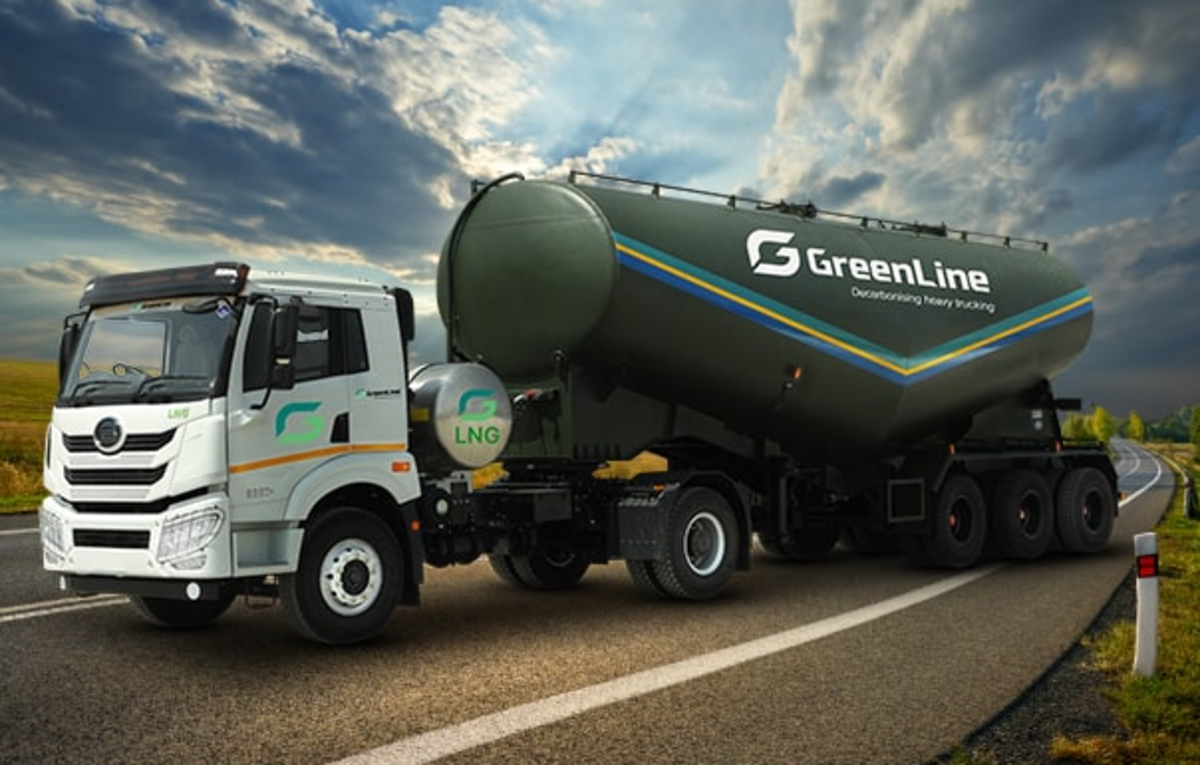
GreenLine Mobility Solutions stands out as India’s sole dedicated operator focused exclusively on green logistics, utilizing both liquefied natural gas (LNG) and electric power for its heavy commercial fleet. The company’s operational footprint already includes over 650 LNG trucks, actively serving a diverse array of critical industries. These sectors span fast-moving consumer goods (FMCG), the burgeoning e-commerce market, essential industries like metals and mining, cement manufacturing, the domestic oil and gas sector itself, and the chemicals industry. This extensive penetration across key economic pillars underscores the versatile applicability and increasing acceptance of natural gas as a reliable, lower-carbon fuel for heavy-duty transport. The current fleet size alone represents a significant and growing demand for LNG, a trend poised for substantial acceleration.
Anand Mimani, CEO of GreenLine Mobility Solutions, highlighted the strategic imperative behind this recent fleet augmentation. He emphasized that crucial financial backing from partners like Shriram Finance Ltd., one of India’s largest non-banking financial companies (NBFCs), proves instrumental in advancing India’s logistics infrastructure with high-performance, environmentally conscious alternatives. For discerning investors, this signals a clear commitment from both the private sector and financial institutions to scale sustainable operations within a market ripe for significant decarbonization efforts, thereby solidifying the investment thesis around natural gas infrastructure and consumption in India.
Ambitious Infrastructure Build-Out: Laying the Foundation for Future Gas Demand
The vision articulated by GreenLine extends far beyond its current operational capacity, presenting a robust long-term outlook for natural gas demand. The company has unveiled an ambitious plan to deploy an additional 10,000 LNG and electric vehicles. This massive scaling effort necessitates and will be supported by a comprehensive national infrastructure network. GreenLine intends to establish a network of 100 dedicated LNG refuelling stations across India, complemented by a robust ecosystem of EV charging stations and battery swapping facilities. This integrated, multi-fuel approach not only ensures seamless operations for its expanding green fleet but also lays crucial groundwork for the broader adoption of alternative fuels across India’s heavy transport sector. Such an extensive build-out represents significant capital deployment and creates substantial opportunities for infrastructure development, gas distribution companies, and LNG suppliers looking to capitalize on India’s energy transition.
Decarbonization Imperative: India’s Energy Transition Accelerates
This initiative directly addresses one of India’s most formidable environmental and economic challenges: reducing carbon emissions. The transportation sector alone accounts for nearly 15% of the nation’s total carbon footprint, making it a critical area for sustainable intervention. By strategically transitioning heavy transport to LNG and electric power, GreenLine aims for an annual reduction of up to 1 million tonnes of carbon emissions. This target aligns perfectly with India’s national climate goals and global commitments, reinforcing the strong governmental and societal push towards cleaner energy solutions. For investors, this signifies not merely a niche market but a fundamental shift in national energy policy and industrial strategy, creating a durable demand pathway for natural gas and associated infrastructure. The drive towards decarbonization offers a powerful tailwind for companies strategically positioned within the green logistics and alternative fuels segments.
Investor Outlook: Capitalizing on India’s Surging Gas Demand
The confluence of India’s economic growth, its urgent need for decarbonization, and GreenLine’s aggressive expansion strategy presents a compelling investment thesis for natural gas. The direct link between the significant increase in LNG-powered vehicles and a corresponding surge in LNG consumption is undeniable. As GreenLine deploys thousands more trucks and builds out its 100 refuelling stations, the demand for liquefied natural gas will escalate dramatically, benefiting upstream gas producers, midstream infrastructure operators, and LNG import terminals.
India already stands as a critical and growing market for global LNG, and initiatives like GreenLine’s expansion reinforce this trajectory. Investors should consider the ripple effects of this growth across the entire natural gas value chain, from supply contracts to storage and distribution networks. The strategic partnership with financial institutions like Shriram Finance also mitigates some of the initial investment risks, demonstrating confidence in the economic viability and long-term sustainability of green logistics. Ultimately, India’s push towards cleaner heavy transport, spearheaded by companies like GreenLine Mobility Solutions, offers a robust and expanding opportunity for capital deployment in the evolving landscape of global energy investment, making it a key area for observation and engagement.