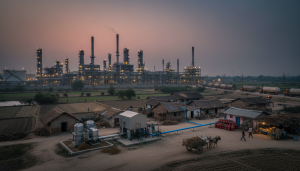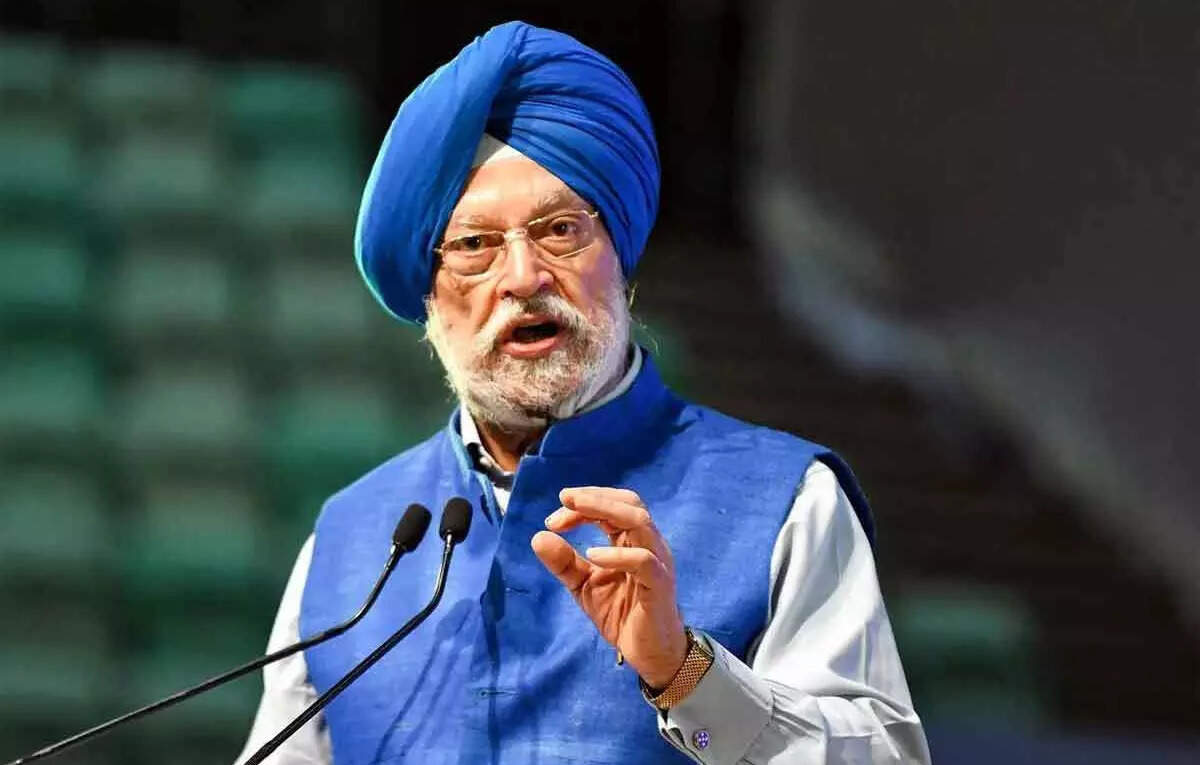
India is significantly reshaping its hydrocarbon exploration landscape, rolling out a compelling incentive for international oil and gas players. Petroleum and Natural Gas Minister Hardeep Singh Puri recently announced that foreign companies establishing technical partnerships with Indian firms will now receive the crucial Right of First Refusal (ROFR) on any hydrocarbon discoveries. This strategic policy shift aims to attract advanced expertise and capital, fundamentally altering the risk-reward calculus for global energy investors eyeing the subcontinent’s vast potential.
The ROFR mechanism represents a powerful draw, granting the foreign technical partner the exclusive option to match any competing offer received by the Indian asset owner for the sale or transfer of a discovered hydrocarbon asset. This provides a clear pathway to ownership and development for partners who successfully unlock resources. Minister Puri highlighted existing collaborations, such as ONGC’s partnership with BP in the prolific Mumbai High offshore field and Oil India Ltd.’s agreement with Brazil’s Petrobras in the Andaman Sea basin, as precedents for such provisions, though specific contractual details remain proprietary. The minister underscored the appeal of this model, suggesting that it allows foreign entities to mitigate initial financial exposure often associated with direct competitive bidding, preferring a “technical partner” role with a guaranteed pathway to asset participation upon discovery.
Global Crude Price Outlook and Domestic Impact
Amidst these domestic policy changes, the global crude oil market remains a critical factor for energy sector profitability. Minister Puri offered a cautious yet optimistic forecast, projecting global crude prices to hover around USD 65 per barrel. This assessment is underpinned by a perception of sufficient supply in the international market, suggesting a period of relative price stability. For investors, a predictable crude price environment at this level offers a degree of certainty for upstream exploration and production budgeting, while potentially benefiting downstream refining margins and consumer-facing fuel prices within India.
Indeed, the minister alluded to the possibility of domestic fuel price adjustments should this stable crude price trend persist, offering a tangible benefit to Indian consumers and indirectly boosting economic activity. This outlook on crude prices is vital for assessing the profitability of new exploration ventures and the financial health of integrated oil and gas companies operating in India, influencing everything from capital expenditure decisions to quarterly earnings projections.
Unlocking New Exploration Frontiers
India’s commitment to boosting domestic hydrocarbon production is further evidenced by the dramatic expansion of accessible exploration areas. Over 1 million square kilometers of sedimentary basins, previously classified as ‘no-go’ zones, have been strategically opened up for exploration activities. This monumental policy shift has already yielded significant results under the Open Acreage Licensing Policy (OALP), with a remarkable 37% of all bids originating from these newly available blocks. This expansion signals a robust opportunity for exploration companies, both domestic and international, to leverage cutting-edge seismic and drilling technologies in previously untapped regions. The promise of new discoveries in these de-risked areas, coupled with the ROFR incentive, creates a compelling investment thesis for upstream players.
Expanding India’s Refining Muscle
Beyond exploration, India is aggressively scaling up its refining capabilities to meet burgeoning domestic demand and solidify its position as a regional processing hub. The nation’s refining capacity, currently standing at an impressive 260 million tonnes per annum (MMTPA), is slated for substantial growth, projected to reach 309.5 MMTPA by 2028. This expansion reflects a strategic shift from smaller, “teapot” refineries towards the development of larger, more integrated refining complexes. Such a trajectory presents significant investment opportunities in downstream infrastructure, technology upgrades, and logistics, appealing to engineering, procurement, and construction (EPC) firms, as well as investors keen on long-term industrial growth within India’s energy sector.
Driving the Clean Energy Transition
India’s energy strategy is not solely focused on traditional hydrocarbons; it is also making impressive strides in the clean energy transition. The country has already achieved its ambitious target of 20% ethanol blending in petrol by 2025, a significant leap from just 1.4% in 2014, effectively surpassing its 2026 goal ahead of schedule. This rapid advancement in biofuels creates a robust market for agricultural feedstock and processing technologies, offering a diversified investment avenue within the energy landscape.
Furthermore, India is setting its sights on green hydrogen, with a bold target to drive down production costs to USD 1 per kilogram within the next decade. This ambitious objective positions India as a potential global leader in affordable green hydrogen, opening vast investment opportunities in renewable energy generation, electrolyzer manufacturing, and hydrogen storage and distribution infrastructure. The minister also highlighted the immense potential for large-scale Sustainable Aviation Fuel (SAF) production, identifying India alongside Brazil, the United States, and Canada as key players in developing this crucial decarbonization solution for the aviation sector. These clean energy initiatives underscore a multi-faceted approach to energy security and environmental stewardship, creating diverse investment pathways across the entire energy value chain.
Strategic Import Diversification for Energy Security
India’s burgeoning energy demand necessitates a robust import strategy, yet the nation is simultaneously working to reduce its reliance on a limited set of suppliers. In 2024, India imported a substantial 5.6 million barrels of crude oil per day, incurring a significant expenditure of USD 139 billion. To mitigate geopolitical risks and optimize procurement, the government is actively pursuing a dual strategy: intensifying domestic resource exploration and dramatically diversifying its import sources. The aim is to expand its crude oil supplier base from 27 to 40 countries, incorporating new partners such as Brazil, Guyana, Suriname, Canada, and Argentina. This strategic diversification not only enhances India’s energy security but also influences global crude trade flows and pricing dynamics, creating new opportunities for producers in emerging oil regions and refining partnerships.
In conclusion, India’s energy sector presents a dynamic and evolving landscape for global investors. From incentivizing foreign participation in upstream exploration through the ROFR mechanism, to expanding downstream refining capacity, and aggressively pursuing clean energy transitions, the nation is charting a course for sustainable energy growth. The strategic efforts to diversify crude oil imports further solidify its position as a major player in the global energy market. These comprehensive initiatives, coupled with a stable crude price outlook, paint a compelling picture for those seeking long-term investment opportunities in one of the world’s most rapidly expanding energy economies.