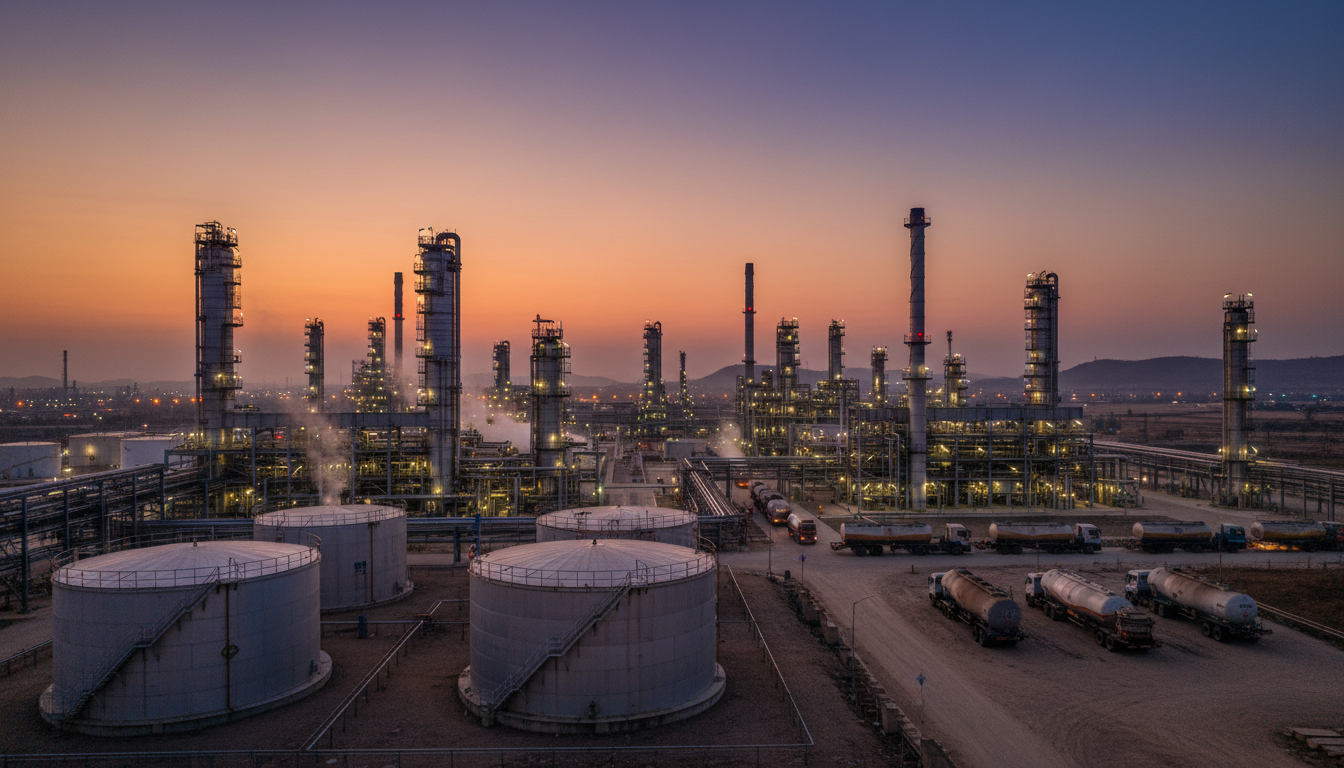
India’s energy sector demonstrated substantial expansion in March, with the nation’s total fuel demand soaring to 21.37 million metric tons. This impressive figure represents the highest consumption recorded since December, indicating robust economic activity and increased mobility across the subcontinent. The March total marks a significant uptick from February’s 20.19 million metric tons, and a solid 3.2 percent year-over-year growth compared to March of the previous year. However, this bullish demand narrative is juxtaposed against a critical downturn in liquefied petroleum gas (LPG) consumption, signaling acute supply chain vulnerabilities exacerbated by escalating geopolitical tensions.
Transportation Fuels Propel Demand Amidst Price Pressures
The bedrock of India’s fuel consumption surge remains the transportation sector, with both gasoline (petrol) and diesel experiencing vigorous demand. Gasoline sales registered a strong 12.2 percent increase month-on-month from February, and climbed 7.6 percent when compared to March of the prior year. March 2026 saw petrol sales reach 3.78 million metric tons, up from 3.37 million in February 2026 and 3.51 million in March 2025. This sustained growth in gasoline usage underscores a thriving personal mobility landscape and a resilient automotive market.
Diesel consumption, a crucial barometer for industrial activity and commercial transport in India, also demonstrated considerable strength. March 2026 recorded 8.73 million metric tons in diesel sales, marking a nearly 14 percent month-on-month jump from February’s 7.66 million metric tons, and an 8.1 percent rise year-on-year from 8.08 million metric tons in March 2025. This sustained upward trajectory for both key transportation fuels provides a positive outlook for India’s economic momentum, yet it simultaneously highlights the intricate challenges faced by state refiners. These refiners are currently absorbing significant revenue losses, reportedly exceeding 50 rupees per liter on gasoil and approximately 20 rupees per liter on gasoline, as they refrain from passing on elevated global market prices to shield consumers. This financial strain on downstream operators presents a notable risk factor for investors in the sector.
LPG Crisis Unfolds: Geopolitical Ripples and Domestic Impact
Contrasting sharply with the general surge in fuel demand, India’s LPG consumption plummeted, reflecting a severe supply crisis. March 2026 data reveals LPG uptake at 2.38 million metric tons, a substantial 12.8 percent contraction from March of the previous year (2.73 million metric tons). This decline is primarily attributed to unprecedented shipping disruptions within the crucial Strait of Hormuz, a direct consequence of the escalating US-Israeli conflict with Iran. Iran’s actions in February, in response to perceived US and Israeli aggressions, effectively tightened transit through Hormuz, a chokepoint responsible for approximately one-fifth of the world’s oil and natural gas supplies.
Given that India procures nearly 90 percent of its LPG imports, predominantly for cooking fuel, from Middle Eastern sources, the stability of this supply corridor is paramount to the nation’s energy security and household well-being. The Indian government has responded by invoking emergency powers, prioritizing the distribution of limited LPG supplies for essential household use and suspending service to customers with piped natural gas connections after three months. For investors, this situation underscores the acute vulnerability of energy markets to geopolitical flashpoints and highlights the strategic importance of diversifying supply routes and strengthening domestic infrastructure.
Mixed Signals from Industrial and Aviation Sectors
Beyond transportation and household fuels, other segments of India’s energy market presented a more varied performance. Naphtha sales experienced an 8.1 percent decline year-on-year, settling at 0.94 million metric tons in March 2026, down from 1.03 million in March 2025. This slump could signal shifts in petrochemical feedstock demand or industrial output. Conversely, bitumen consumption, vital for infrastructure development, showed a month-on-month increase of 10.4 percent from February, reaching 1.02 million metric tons. However, it still registered a dip of approximately 7 percent when compared annually to March 2025’s 1.09 million metric tons, suggesting some volatility in road construction cycles.
Fuel oil usage witnessed a robust expansion, surging by over 31 percent from the previous year to 0.65 million metric tons in March 2026. This significant jump often points to increased demand from industrial boilers or power generation, possibly filling gaps in other energy sources. Jet fuel consumption maintained a healthy trajectory, reaching 0.81 million metric tons in March 2026, slightly up from 0.80 million in March 2025, indicating continued recovery and growth in air travel. Kerosene consumption remained stable at 0.04 million metric tons.
Strategic Shifts and Investor Outlook
For energy investors, India’s March fuel consumption data paints a complex but compelling picture. The underlying strength in transportation fuel demand highlights the nation’s economic resilience and growth potential. However, the severe LPG supply crisis serves as a stark reminder of geopolitical risks and the delicate balance required for energy security. The recent acquisition of India’s first cargo of Iranian LPG in years, following a temporary removal of US sanctions on Tehran’s oil and refined fuels, introduces a new dynamic. This move, if sustained, could offer a partial solution to India’s LPG shortages and signals potential shifts in global trade flows and strategic alliances within the energy landscape. Investors must closely monitor these geopolitical developments, the pricing strategies of Indian state refiners, and the government’s ongoing efforts to stabilize critical fuel supplies to accurately assess market opportunities and risks in this dynamic energy market.