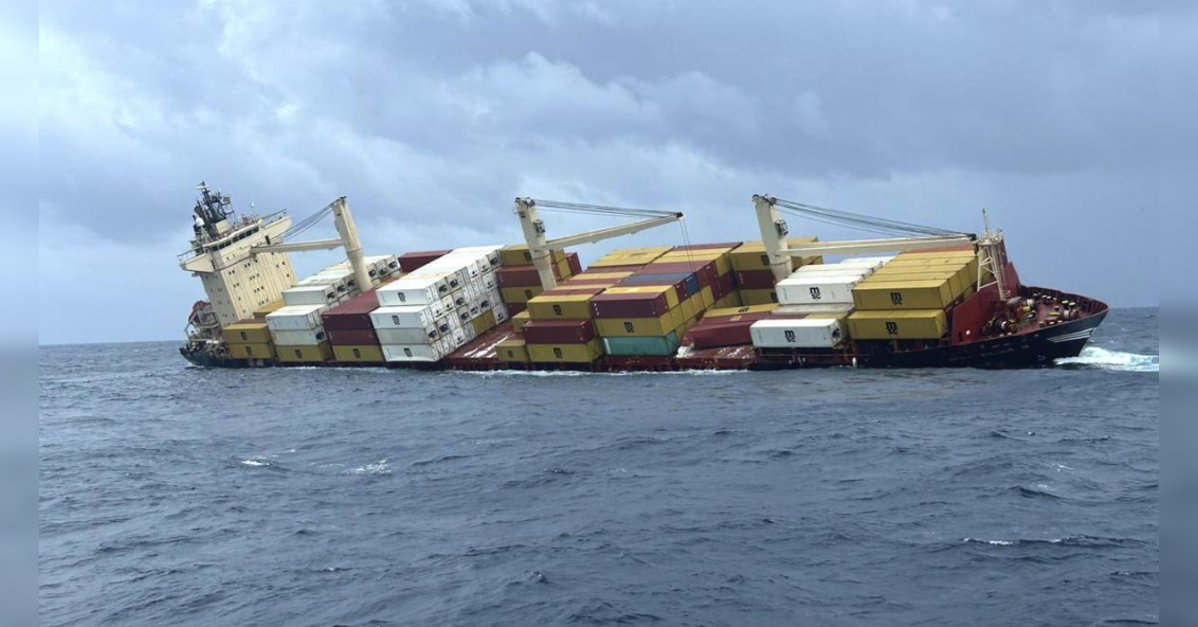
India Issues Stern Ultimatum for Swift Oil Extraction from Sunken MSC ELSA 3
India’s maritime authorities have delivered a stringent 48-hour ultimatum to MSC Shipmanagement Ltd, demanding the immediate commencement of oil extraction operations from the sunken vessel MSC ELSA 3 off the coast of Kerala. This decisive action underscores grave concerns over escalating environmental and economic threats to India’s vital coastal regions and the livelihoods of its fishing communities. The regulatory body has warned of severe legal repercussions for what it terms “continued inaction and delay,” characterizing it as not only negligence but also a direct violation of statutory obligations.
The urgent directive comes in response to significant delays in addressing the maritime incident. Oil recovery work, initially slated to begin around June 5, had not even commenced by June 11, prompting the Director General of Shipping, Shyam Jagannathan, to issue a formal notice to MSC Shipmanagement. The Cyprus-based firm, a key ship management unit of Mediterranean Shipping Company S.A.—the world’s largest container shipping line and operator of the MSC ELSA 3—now faces intense scrutiny.
Regulatory Clampdown: A Deep Dive into Operational Failures
In his June 11 notice, Jagannathan voiced “increasing concern” over the sluggish pace of salvage and emergency response operations related to the capsized container ship. He explicitly stated that progress was “grossly inadequate and continues to fall short of the timelines and operational commitments previously provided by the salvors (T&T Salvage) and the owner of the ship.” Despite repeated instructions and numerous coordination meetings, the maritime regulator found the response from the designated salvors to be “consistently delayed and insufficient.”
This prolonged lack of prompt action, according to the D G Shipping, has created a “continued and serious risk” to India’s marine environment, particularly impacting Kerala’s vulnerable coastal areas. The economic fallout is already evident, with local communities heavily dependent on fishing reporting extensive losses in work and income. This hardship stems directly from the persistent presence of the sunken vessel, floating debris, a visible oil sheen, and the omnipresent threat of further pollution.
A Chronology of Critical Delays
The MSC ELSA 3 capsized and sank on May 25, carrying a substantial onboard fuel load: 367.1 metric tonnes of very low sulphur fuel oil (VLSFO) and an additional 84.4 metric tonnes of diesel. From the very first day of the incident, salvors received clear instructions to mobilize all necessary assets for diving and oil recovery operations. However, critical equipment mobilization lagged significantly.
The Diving Support Vessel (DSV) and essential diving assets were not deployed until after May 30, establishing a crucial initial setback in the entire operational timeline. Furthermore, tug assets, hired by the vessel owners, only arrived on the scene after June 1, with no prior deployment initiated by the salvors. These delays have compounded the problem, pushing back the entire recovery effort and exacerbating environmental exposure.
Technical Hurdles and Insufficient Response
The technical challenges of the recovery operation are substantial. The vessel lies at a depth of 51 meters, a significant underwater environment that unequivocally demands saturation diving techniques for safe and effective oil extraction from its tanks. However, the salvors have, to date, only managed to conduct limited air diving operations. This method is considered demonstrably inadequate for the complex task of draining oil from a vessel at such depths.
Adding to the operational shortcomings, the timeline provided for these critical operations has been “grossly violated.” Key tasks, such as the capping of vents—a crucial step to prevent further leakage, scheduled for completion earlier this month—remain unfinished. This ongoing failure to complete essential preliminary tasks only heightens the risk of prolonged environmental contamination.
Investor Implications: Navigating Environmental Liability and Reputational Risk
For investors monitoring the global shipping sector, this incident serves as a stark reminder of the significant operational and environmental risks inherent in maritime operations. Mediterranean Shipping Company, as the ultimate operator, faces considerable financial exposure. This includes not only potentially hefty fines from the Indian government but also extensive clean-up costs, and legal liabilities for environmental damage and economic losses incurred by the affected coastal communities.
The firm stance taken by India’s maritime regulator underscores a growing global trend towards stricter enforcement against maritime polluters. A prolonged and mismanaged response could inflict substantial reputational damage on MSC, potentially impacting its competitive standing and long-term shareholder value in an industry already facing increasing scrutiny over its environmental footprint. The technical requirement for saturation diving, far more complex and costly than air diving, further adds to the financial burden and logistical challenges of the recovery operation.
The Path Forward: Pressure Mounts for Swift Resolution
The 48-hour deadline places immense pressure on MSC Shipmanagement to demonstrate immediate and effective action. Failure to comply risks not only escalating legal action from the Indian government but also a deepening crisis of confidence among stakeholders, including partners, clients, and investors. The global shipping industry, particularly those involved in fuel transport and large-scale maritime operations, will be closely watching this situation as a bellwether for regulatory assertiveness and the growing imperative for swift, responsible incident management.
The financial and operational implications for MSC and its associated entities are now squarely in the spotlight, demanding an urgent, comprehensive, and technically sound resolution to mitigate further environmental damage and economic hardship. The global shipping community awaits MSC’s decisive response to this critical challenge.