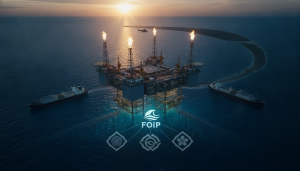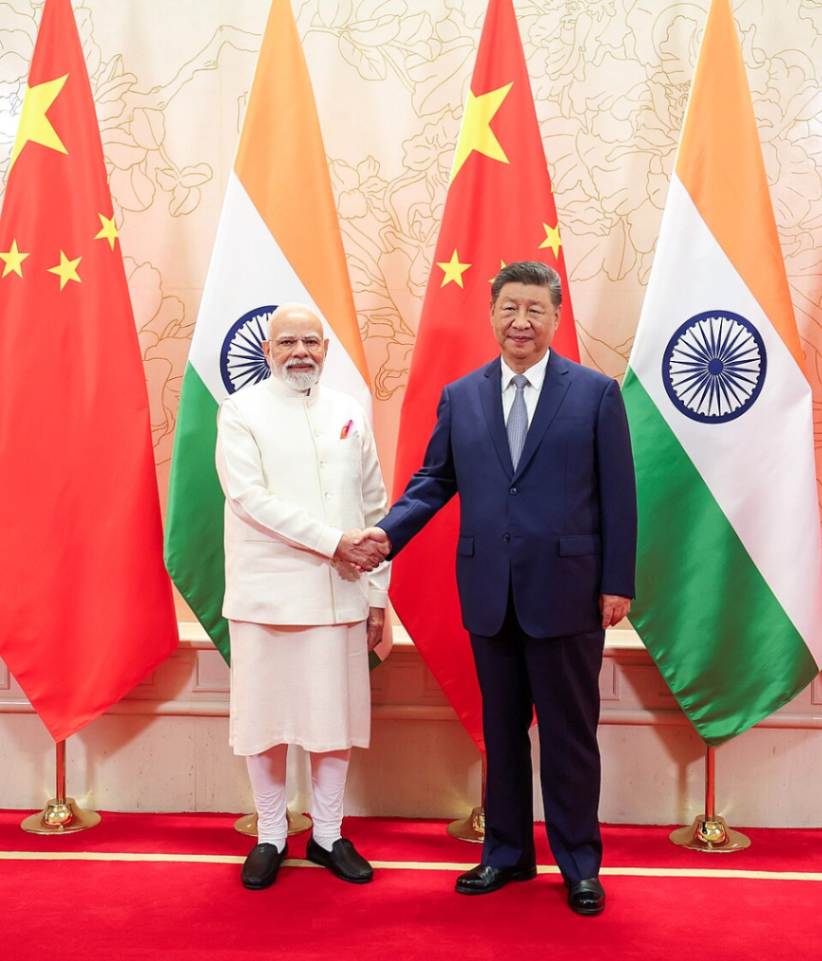
The Indian Ocean Region (IOR) stands as a pivotal artery for global energy flow, with over two-thirds of the world’s oil and half of its container traffic traversing its waters. For oil and gas investors, understanding the intricate geopolitical dynamics unfolding within this critical maritime domain is not merely academic; it is fundamental to assessing long-term supply stability, transit risks, and regional resource access. A strategic rivalry is intensifying between China and India, each employing distinct methodologies to project influence and secure interests. China’s “Heartland” strategy, focusing on continental penetration from the African interior outwards, stands in contrast to India’s “Rimland” approach, which prioritizes maritime partnerships with coastal and island nations. These divergent paths are shaping the future of energy security and resource geopolitics across a region vital to the global crude market.
Geopolitical Strategies and Energy Transit Vulnerabilities
China’s strategic framework in the IOR is characterized by an inside-out progression. Beginning with deep economic and infrastructural investments in landlocked African nations such as Ethiopia, Zambia, and the Democratic Republic of Congo, China fosters long-term dependency and influence. These engagements typically start with smaller, localized projects that expand into extensive development initiatives—roads, industrial zones, and digital infrastructure—often supported by concessional loans. This methodical approach gradually builds continental reach and ultimately seeks coastal proximity, providing pathways to the Western Indian Ocean without exclusive reliance on maritime routes. The 99-year lease of Sri Lanka’s Hambantota Port, following a debt default, serves as a stark illustration of how economic leverage translates into strategic infrastructure control. For oil and gas investors, this strategy implies a long-term shift in control over potential pipeline routes, resource extraction rights, and port facilities that could eventually serve as critical nodes for energy transit or naval support.
In contrast, India’s “Rimland” strategy is fundamentally maritime, leveraging its geographical position and diplomatic ethos. India focuses on cultivating strong relationships with island states and coastal nations like Mauritius, Seychelles, Kenya, and Mozambique. These partnerships are built on trust, capacity building, and maritime security cooperation, positioning India as a responsible regional actor committed to stability. Initiatives like MAHASAGAR aim to create a shared maritime awareness platform among these nations, reinforcing India’s influence along the IOR’s outer ring. While China seeks to embed itself deeply within resource-rich hinterlands, India’s strength lies in building legitimacy and presence along the vital sea lanes. For energy markets, this means India is bolstering the security of existing maritime trade routes, which could mitigate direct transit risks but also introduces a layer of strategic competition over key chokepoints and coastal energy hubs, such as those off Mozambique’s significant gas reserves.
Market Volatility and the IOR’s Enduring Price Premium
The global oil market is currently navigating a period of significant volatility, underscoring the delicate balance between supply, demand, and geopolitical risk. As of today, Brent crude trades at $91.87, representing a notable 7.57% daily decline, while WTI crude has fallen even more sharply to $84, down 7.86%. Gasoline prices have also seen a drop to $2.95, down 4.85% today. This immediate downturn follows a broader trend; Brent crude has shed $14, or 12.4%, over the past 14 days, falling from $112.57 on March 27th to $98.57 yesterday. While these immediate price movements are influenced by broader macroeconomic concerns, including global demand outlook and inventory levels, the underlying geopolitical tensions in critical transit regions like the Indian Ocean continue to exert an “IOR premium” on crude prices.
The strategic competition between China and India in the IOR, with their respective approaches to securing influence over resource-rich nations and maritime choke points, means that any escalation or disruption could rapidly inject significant risk into the market. Investors must appreciate that even during periods of price declines driven by other factors, the foundational security of major energy transit routes remains a non-negotiable component of crude pricing. The stability or instability of the IOR directly impacts insurance premiums for tankers, operational costs, and ultimately, the delivered price of crude. Monitoring the evolving strategic postures of these two Asian giants is therefore crucial for understanding potential upside risks to oil prices, even when short-term trends appear bearish.
Strategic Footprints, Resource Access, and Investor Outlook
The divergent strategies of China and India in the IOR have direct implications for resource access and long-term energy investment. China’s “Heartland” approach often secures preferential access to minerals, hydrocarbons, and agricultural resources within its sphere of influence, creating long-term supply chains insulated from maritime pressures. The expansion of industrial zones and digital infrastructure also opens new avenues for energy demand and supply infrastructure development, potentially leading to future agreements for resource exploitation and export. This long-term, embedded strategy provides a predictable, albeit often exclusive, access to resources that can be critical for China’s sustained economic growth and energy security.
Conversely, India’s “Rimland” focus, while emphasizing maritime security, also establishes strong diplomatic and economic ties with coastal nations possessing significant energy potential. Mozambique, for instance, is a key partner in India’s distributed rimland architecture and holds substantial offshore natural gas reserves. Through partnerships and training, India aims to ensure stable and secure access to these emerging energy frontiers. Our readers are keenly asking about the long-term price of oil per barrel by the end of 2026, and these strategic maneuvers in the IOR directly impact that outlook. Stable access to resources and secure transit routes are fundamental to sustainable supply and price predictability. As investment analysts, we recognize that the ability of nations to secure long-term resource deals and guarantee the safety of their energy supply lines will play a significant role in shaping global oil and gas prices in the coming years. India’s strategy, rooted in cooperation and stability, aims to mitigate disruptions, while China’s approach seeks to control and secure specific resource pathways.
Navigating Future Risks: OPEC+ Decisions and Regional Stability
The interplay between IOR geopolitics and global supply management forms a complex mosaic for oil and gas investors. With the critical OPEC+ Joint Ministerial Monitoring Committee (JMMC) meeting scheduled for tomorrow, April 17th, followed by the full Ministerial meeting on April 18th, market participants are closely watching for any adjustments to current production quotas. Our proprietary data indicates that many investors are asking specifically about these production quotas, underscoring the market’s sensitivity to supply-side decisions.
These OPEC+ decisions, which will dictate a significant portion of global crude supply, will invariably be interpreted against the backdrop of geopolitical stability, or lack thereof, in key transit regions like the IOR. A stable IOR, with secure sea lanes maintained through cooperation or balanced competition, allows OPEC+ to focus purely on demand-side dynamics and economic forecasts when setting output levels. However, any escalation of strategic competition, or a disruption to transit routes due to regional instability, could force a different calculus upon the cartel, potentially creating unforeseen supply risks that would rapidly tighten the market and push prices higher. Beyond OPEC+, upcoming data points such as the API Weekly Crude Inventory on April 21st and 28th, and the EIA Weekly Petroleum Status Report on April 22nd and 29th, will provide crucial insights into short-term supply-demand balances. However, the foundational security of the IOR, continuously shaped by the China-India rivalry, remains a critical long-term input for any investment thesis in the oil and gas sector.