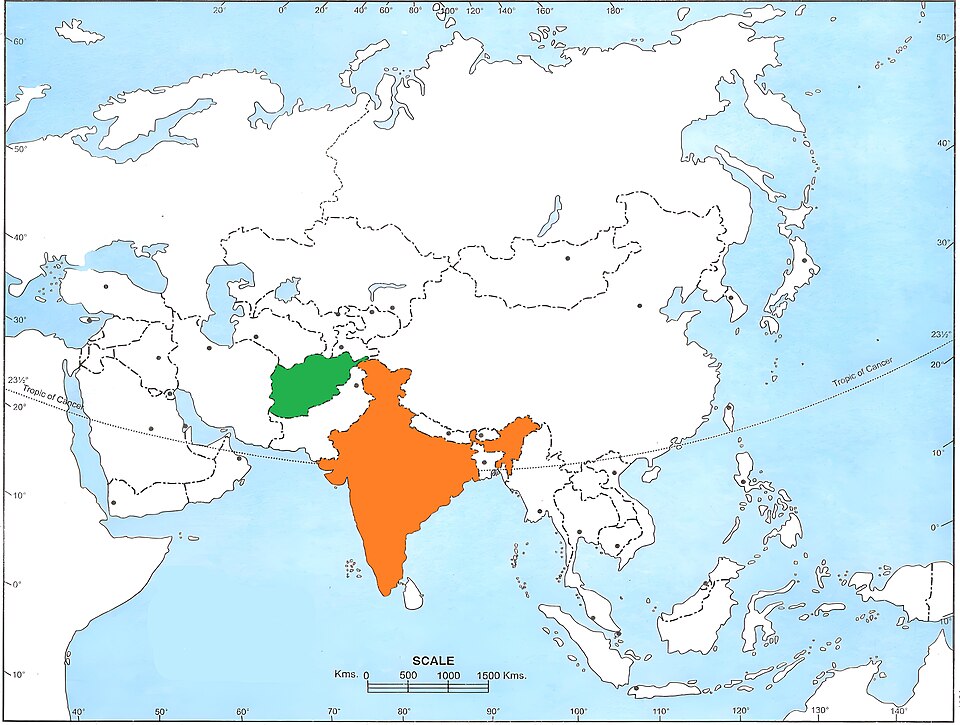
The geopolitical landscape of Central and South Asia is undergoing a significant re-evaluation, with Afghanistan actively pursuing economic diversification away from its traditional trade routes through Pakistan. This strategic pivot, driven by escalating tensions that saw land trade between Afghanistan and Pakistan cease in October 2025, presents both risks and nascent opportunities for regional stability and, by extension, energy investment. India, a major energy consumer and a key player in regional infrastructure, stands ready to capitalize on these shifts, primarily through the strategic development of the Chabahar Port and a renewed diplomatic push.
Chabahar Port: India’s Strategic Gateway and a Looming Deadline
Central to India’s engagement with Afghanistan and Central Asia is the Chabahar Port in Iran. This maritime link offers India a crucial bypass around Pakistan’s land blockade, providing direct access to landlocked Afghanistan. The port’s importance is underscored by India’s 10-year agreement signed in 2024 for the management of the Shahid Beheshti terminal, an extension of development efforts ongoing since 2018. The port has already proven its utility by facilitating the transport of relief materials to Afghanistan, demonstrating its critical role in regional humanitarian and trade logistics.
However, the viability of Chabahar as a long-term solution is intricately tied to geopolitical maneuverings, particularly regarding U.S. sanctions on Iran. Investors must closely watch the six-month waiver granted to India by the U.S., which became effective on October 29, 2025. This waiver is set to expire around April 29, 2026. This critical deadline falls within a period of heightened market sensitivity, coinciding with upcoming energy events such as the OPEC+ JMMC and Full Ministerial meetings on April 17 and 18, 2026, and subsequent weekly API and EIA inventory reports. The outcome of the waiver renewal process, or lack thereof, could significantly impact trade flows through Chabahar, potentially introducing volatility into regional logistics chains and influencing the broader perception of geopolitical risk in oil markets, especially concerning Iranian crude supply.
Market Volatility and Investor Focus on Geopolitical Stability
The broader energy market currently presents a volatile picture, highlighting the need for investors to factor in geopolitical stability and supply chain resilience. As of today, Brent crude trades at $90.55 per barrel, reflecting an 8.89% decline from yesterday’s close, while WTI crude stands at $83.07, down 8.88%. This daily movement is part of a more significant trend; Brent crude has shed $14, or 12.4%, over the past two weeks, dropping from $112.57 to $98.57. Such price swings underscore the market’s sensitivity to supply-demand dynamics and perceived risks.
Against this backdrop, investors are keenly focused on factors influencing future oil prices and supply, with common questions surfacing about “what do you predict the price of oil per barrel will be by end of 2026?” and “What are OPEC+ current production quotas?”. While India-Afghan trade doesn’t directly impact global crude supply in the short term, the push for diversified trade routes and improved regional connectivity through projects like the International North-South Transport Corridor (INSTC), which links India with Russia via Iran, holds long-term implications for energy security and supply chain robustness. Any developments that enhance regional stability or create new logistical pathways can subtly reduce geopolitical risk premiums, a factor increasingly weighed by institutional investors evaluating their long-term oil and gas exposures.
Diplomatic Overtures and Commercial Catalysts
The recent surge in diplomatic engagement underscores the serious intent behind Afghanistan’s economic pivot. Following the visit of the Afghan Foreign Minister, Alhaj Nooruddin Azizi, the Taliban administration’s Minister of Industry and Commerce, undertook a five-day visit to India beginning November 19, 2025. During his stay, which included meetings with senior Indian officials such as External Affairs Minister S. Jaishankar and Commerce Minister Piyush Goyal on November 24, 2025, Minister Azizi explicitly stated that current bilateral trade, estimated at $1 billion in 2024 (down from $1.8 billion prior to 2021), is “well below potential.”
Tangible commercial actions are also being implemented to bolster this trade. Notably, Ariana Airlines, Afghanistan’s national flag carrier, announced significant reductions in cargo tariffs for trade with India earlier this month. This move is a direct incentive aimed at boosting air cargo volumes, a vital link given the land trade impasse with Pakistan. Such initiatives signal a clear strategy to overcome logistical hurdles and foster a more robust trade relationship, focusing on Afghan agricultural goods and minerals as key exports to India, while India supplies textiles, pharmaceuticals, sugar, tea, and rice. For logistics and commodity investors, these developments could herald new opportunities in air freight and specialized trade finance.
Investment Outlook: Weighing Risks and Opportunities
The evolving India-Afghanistan trade dynamics, anchored by the Chabahar Port and reinforced by recent diplomatic and commercial pushes, present a complex but potentially rewarding landscape for investors. While the immediate impact on global oil prices may be limited, the long-term strategic implications for regional stability, diversified supply chains, and infrastructure development are significant. Investors should monitor the Chabahar waiver situation closely as its expiry in late April 2026 could introduce new uncertainties. However, the consistent diplomatic engagement and direct commercial incentives, such as reduced air cargo tariffs, indicate a strong commitment from both sides to expand bilateral trade. This commitment, coupled with India’s long-term vision for regional connectivity through projects like INSTC, suggests that despite the inherent geopolitical risks, the region is ripe for strategic investments in logistics, infrastructure, and commodity trading that could yield substantial returns as these new trade arteries solidify.