The global energy landscape is undergoing a profound transformation, driven not only by supply-demand dynamics but increasingly by environmental imperatives. While crude oil prices remain a dominant focus for investors, a critical, often underestimated, factor is rapidly gaining prominence: methane emissions. New stringent regulations from the European Union, targeting the entire oil, gas, and coal supply chains, are compelling operators worldwide to enhance monitoring and abatement strategies. This shift is not merely a compliance burden; it presents a significant opportunity for technological innovation and a re-evaluation of asset value in an evolving market where environmental performance directly impacts an investment’s long-term viability.
Methane’s Rising Profile Amidst Market Volatility
As of today, Brent crude trades at $98.38, reflecting a modest 1.02% dip, while WTI sits at $89.96, down 1.33%. This minor daily fluctuation follows a more significant 12.4% decline in Brent over the past two weeks, from $108.01 on March 26th to $94.58 yesterday. While short-term price movements naturally capture investor attention, the smart money is increasingly looking beyond daily volatility to long-term value drivers. Methane, a potent greenhouse gas responsible for approximately 30% of recent global temperature rise, has long been overshadowed by CO2 in climate discussions. However, its impact on environmental, social, and governance (ESG) metrics and, consequently, on capital access and asset valuation, is now undeniable. The EU’s comprehensive methane regulations signal a global pivot, mandating operators to monitor and cut emissions from exploration to distribution, irrespective of production origin. This elevates methane management from a niche environmental concern to a core operational and investment consideration.
Technological Frontlines: Precision Methane Quantification
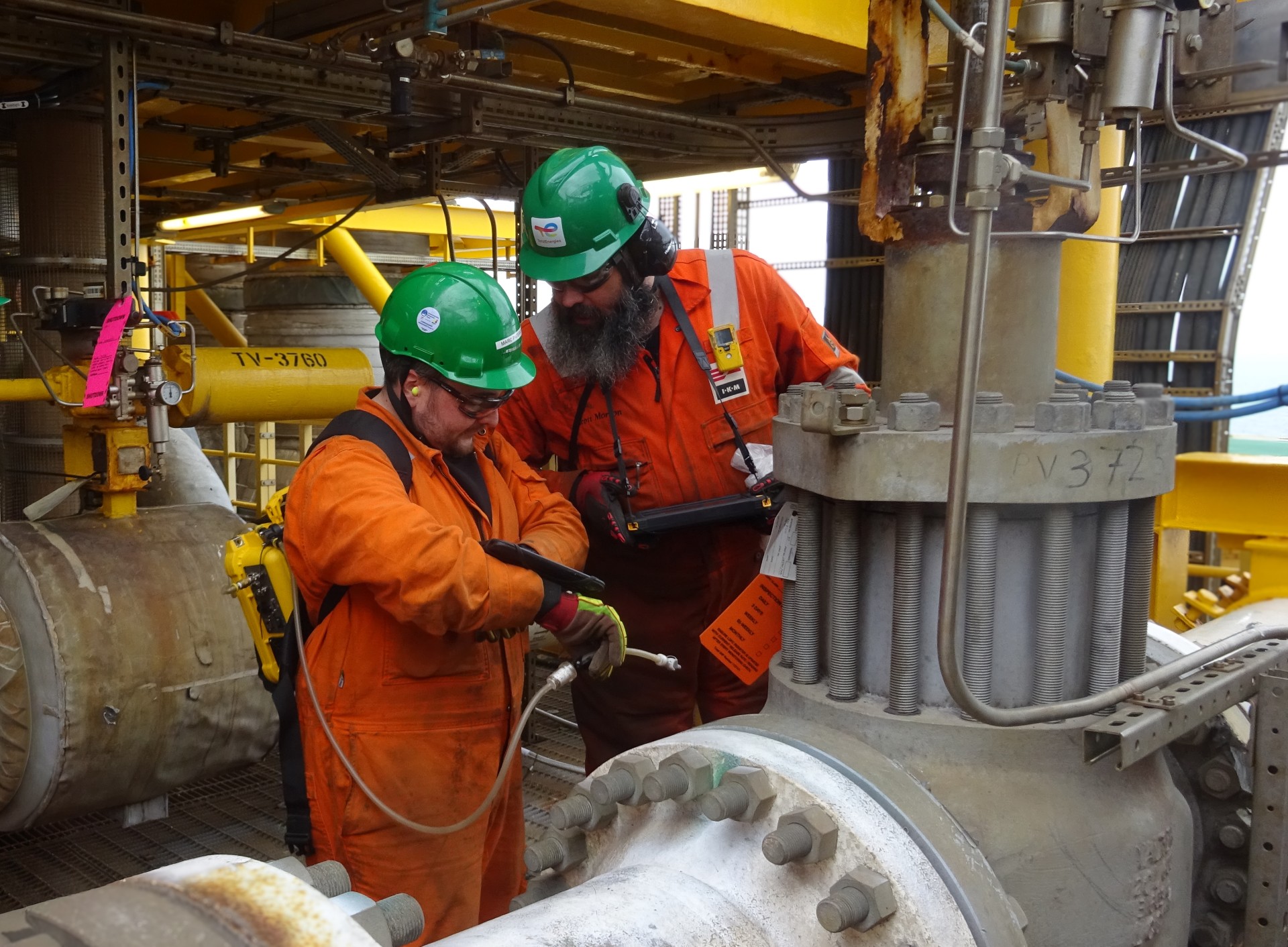
Meeting the new EU mandates necessitates advanced technological solutions, and the industry is responding. Innovations like Source Level Identification and Quantification (SLIQ) represent a significant leap forward in methane detection and measurement. This technology enables precise quantification of methane emissions at the component level, demonstrating higher sensitivity than established methods. Its validation by academic researchers at RGU and deployment in operations with TotalEnergies E&P UK (TEPUK) underscores its practical efficacy and industry readiness. Complementing SLIQ, the Aerial Source Quantification (A.S.Q.) system utilizes advanced drones and sensor-agnostic capabilities to detect and quantify emissions across entire sites. For investors, this dual approach offers a robust framework for understanding and mitigating environmental risk. Companies deploying such cutting-edge tools not only achieve compliance but also gain a clearer picture of operational efficiency, potentially identifying leaks that represent lost product and revenue, thereby creating tangible economic value beyond mere regulatory adherence.
Navigating Regulatory Headwinds and Future Opportunities
The implementation of EU methane regulations is a bold move, creating both substantial challenges and opportunities for energy sector businesses. Operators must now take proactive steps to achieve compliance to avoid potentially severe penalties, which could range from fines to reputational damage and restricted market access. This regulatory push is fueling innovation and investment in solutions that transform methane from a climate liability into an area of competitive differentiation. For companies like TotalEnergies, early adoption of advanced quantification technologies allows them to lead in environmental responsibility, potentially attracting ESG-focused capital and securing a social license to operate in an increasingly scrutinizing market. Looking ahead, the energy calendar is packed with events that, while not directly about methane, highlight the dynamic pressures on the industry. The upcoming OPEC+ Joint Ministerial Monitoring Committee (JMMC) and Full Ministerial meetings on April 18th and 20th respectively, alongside the regular Baker Hughes Rig Count reports on April 17th and 24th, will shape near-term supply expectations. However, the long-term sustainability of these supply chains will increasingly depend on their environmental footprint, making methane abatement a silent but powerful factor in future production strategies and investment decisions.
Investor Focus: From Compliance Costs to Value Creation
Our proprietary data reveals that investors are keenly focused on core market metrics, with frequent inquiries about ‘OPEC+ current production quotas’ and the ‘current Brent crude price,’ underscoring the enduring importance of supply-demand fundamentals. However, there’s also a clear signal of demand for sophisticated analytical tools and robust data sources, reflected in questions about platforms like EnerGPT and the underlying APIs powering market data. This indicates a growing sophistication among investors who understand that success in today’s energy market requires more than just tracking prices; it demands deep insight into operational efficiency, regulatory compliance, and environmental performance. Methane quantification technologies fit directly into this evolving investor mandate. These aren’t just compliance costs; they are investments in future-proofing assets, enhancing ESG profiles, and ensuring long-term access to capital. Companies that can transparently demonstrate their commitment and capability to reduce methane emissions will likely see a premium in their valuations, as they mitigate future regulatory risks and align with global climate targets. For investors, understanding an operator’s methane strategy is rapidly becoming as critical as understanding its reserve replacement ratio or production guidance.