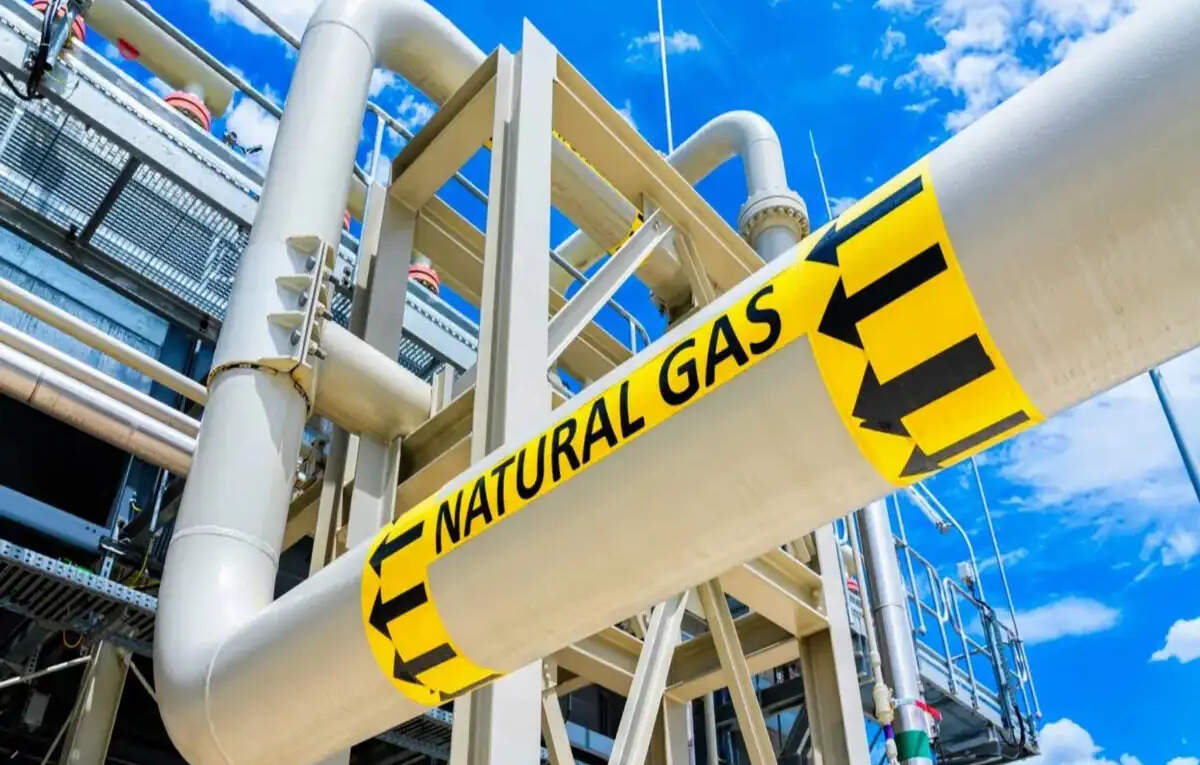
Indraprastha Gas Limited (IGL) recently marked a significant milestone in its ambitious natural gas distribution strategy, extending piped natural gas (PNG) connectivity to an additional 111 villages within Delhi. This latest expansion elevates the total number of villages receiving PNG supply through IGL’s extensive network to 241, demonstrating aggressive market penetration and infrastructure development critical for investors observing India’s energy transition landscape.
The strategic move, formally inaugurated by Delhi Lieutenant Governor Vinai Kumar Saxena alongside Chief Minister Rekha Gupta and key IGL executives, brings clean, efficient energy directly to over 72,000 families across the capital. This substantial growth is underpinned by IGL’s robust infrastructure, which now boasts more than 13,000 kilometers of gas pipeline, a testament to its long-term commitment to urban and semi-urban gasification.
Aggressive Growth Trajectory for India’s Gas Market
This expansion forms a crucial component of IGL’s Phase II initiative, targeting the comprehensive connection of all 357 villages in Delhi with PNG by the close of 2025. This aggressive timeline underscores the company’s operational efficiency and strategic foresight, positioning it as a key player in India’s burgeoning natural gas sector. For investors, this trajectory signals sustained demand growth and continued infrastructure investment, promising a solid foundation for future returns.
Lieutenant Governor Vinai Kumar Saxena emphasized the broader societal and environmental impact of the project, stating that the PNG supply launch transcended a mere technical undertaking to lay a “solid foundation for a cleaner and brighter future.” This governmental endorsement highlights the alignment of IGL’s commercial objectives with national and regional sustainability goals, a favorable environment for long-term capital appreciation. The initiative, he noted, integrates rural areas into the clean energy grid, propelling Delhi towards becoming a more environmentally friendly and sustainable metropolis, in line with the Delhi Gramoday Abhiyan objectives.
Government Endorsement Fuels Investor Confidence
Chief Minister Rekha Gupta echoed this sentiment, framing the inauguration as the “ignition of a new era,” one that promises enhanced security, dignity, and sustainable growth for every household. Her commitment to ensuring connectivity for the remaining 116 villages by the year-end provides a clear roadmap for IGL’s near-term operational focus. Such strong governmental backing mitigates regulatory risks and provides a stable operating environment, a critical factor for investors evaluating infrastructure plays in emerging markets.
Gupta also revealed plans for the modernization of the Mahipalpur Compressed Natural Gas (CNG) station, a strategic move to bolster operational efficiency within IGL’s broader distribution network. This proactive investment in existing assets, alongside new connections, showcases a holistic approach to energy infrastructure development, ensuring sustained service quality and efficiency.
CNG: The Pragmatic Bridge in India’s Energy Transition
Kamal Kishore Chatiwal, Managing Director of IGL, offered a nuanced perspective on the role of natural gas within the evolving energy landscape. While acknowledging the global focus on electric vehicles (EVs), Chatiwal stressed the “pragmatic and complementary role of Compressed Natural Gas (CNG).” He articulated that CNG remains one of the cleanest, most cost-effective, and immediately deployable alternatives to conventional liquid fuels, particularly vital for public transport, intra-city logistics, and long-distance mobility in a dynamic market like India.
This perspective is crucial for investors, as it highlights IGL’s understanding of India’s multi-faceted energy transition. While EVs represent the future, CNG serves as an essential “bridge,” facilitating a gradual and economically viable shift away from higher-emission fuels. This dual strategy ensures that IGL captures growth opportunities across different segments of the transportation and domestic energy markets, diversifying its revenue streams.
National Goals and Market Expansion Potential
Mohit Bhatia, IGL’s Director (Commercial), underscored the company’s commitment to delivering clean energy, emphasizing the profound impact of PNG access on over 72,000 families. This human-centric approach, combined with robust infrastructure development, contributes directly to India’s national objective of increasing the share of natural gas in its energy mix to 15 percent by 2030.
For investors, this national target represents a significant tailwind for companies like IGL. The government’s strategic push for natural gas, driven by both environmental concerns and energy security imperatives, creates a predictable and supportive market environment. IGL’s continuous expansion in Delhi, one of India’s largest and most densely populated urban centers, places it at the forefront of this national agenda. The ongoing infrastructure build-out, coupled with increasing consumer adoption, positions IGL for sustained revenue growth and market dominance in the capital’s gas distribution sector. This convergence of robust demand, strategic expansion, and strong governmental backing presents a compelling investment thesis within India’s dynamic energy landscape.