Global Energy Architecture Undergoing Profound Transformation Amidst Hormuz Crisis
The global energy landscape faces an unprecedented restructuring, propelled by the escalating conflict in Iran and the resulting blockade of the critical Strait of Hormuz. According to the International Energy Agency (IEA), the current energy crisis eclipses previous disruptions, including those of 1973, 1979, and even 2022 combined. This severe upheaval is set to permanently alter the fundamental architecture of the worldwide energy system, presenting both significant challenges and new opportunities for investors.
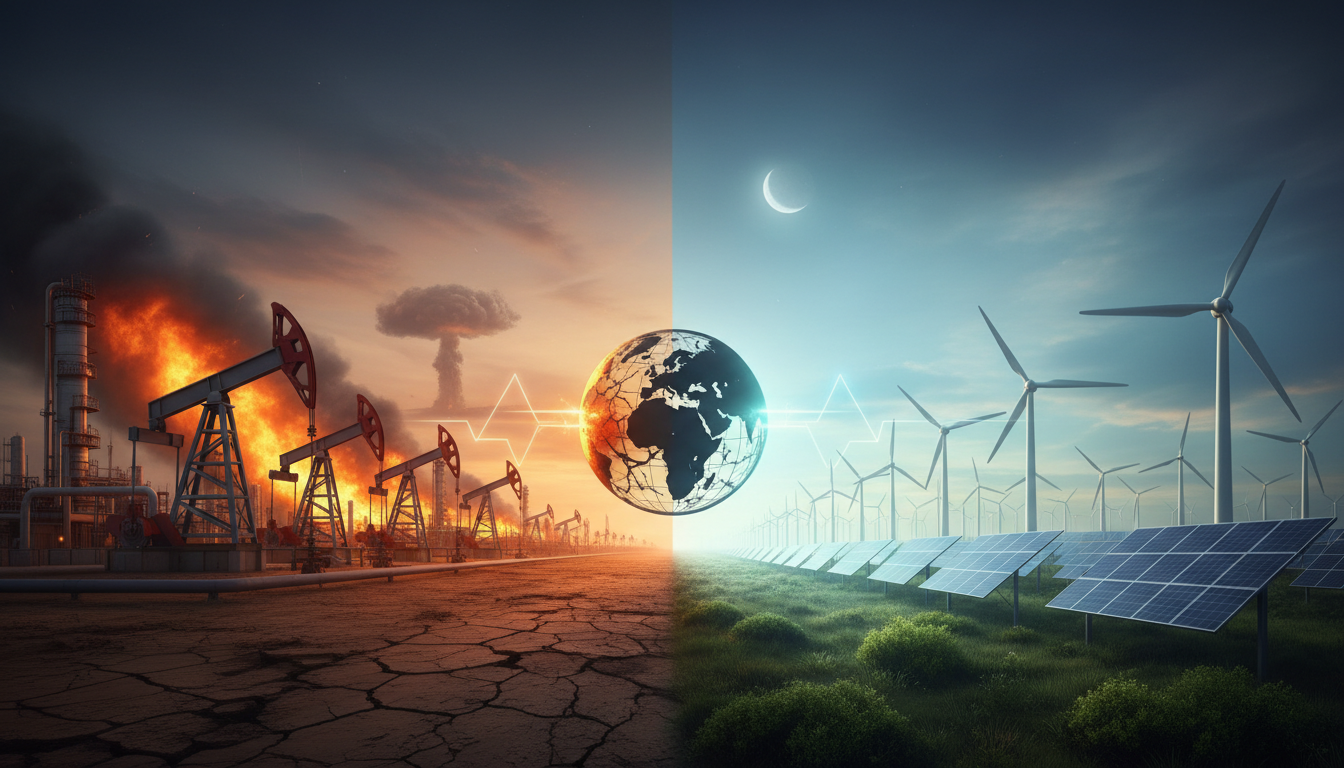
IEA Executive Director Fatih Birol recently highlighted this monumental shift, stating that while the transformation will unfold over years, the immediate impact is undeniable. He emphasized that the geopolitical dimensions of energy are undergoing a profound redefinition. Crucially, certain energy technologies are poised for accelerated development, with renewables like solar and wind power at the forefront due to their rapid deployment capabilities. Birol anticipates a swift pivot towards these clean energy sources, potentially within months, underscoring their strategic importance in navigating current instabilities.
The Hormuz Bottleneck: A Global Chokepoint in Crisis
The current energy emergency directly stems from Tehran’s decision last month to block the Strait of Hormuz, a retaliatory measure following US-Israel led strikes on Iran. This strategic waterway is indisputably one of the most vital on the planet, serving as a transit point for an astounding 25% of the world’s crude oil supply and nearly 20% of global liquefied natural gas (LNG) exports. Its closure reverberates through global energy markets, creating immense pressure on supply chains and price stability.
Asian nations, in particular, bear the brunt of this disruption. Their heavy reliance on Middle Eastern fuel exports, predominantly transported through Hormuz, leaves them acutely vulnerable. Experts warn that these economies, often lacking sufficient indigenous energy resources, are poised to suffer the most significant consequences from sustained regional instability and supply interruptions. Investors with exposure to Asian energy markets or shipping logistics must closely monitor developments in this critical maritime corridor.
Pakistan’s Proactive Solar Strategy Provides Crucial Cushion
Amidst the widespread concern, the IEA’s predictions regarding the rapid adoption of renewables find strong validation in nations like Pakistan. Despite its cash-strapped economy, a strategic push towards solar power has offered significant insulation from the full force of the conflict’s fallout. A recent analysis revealed that the country’s accelerated solar uptake since 2018 has successfully averted over $12 billion in oil and gas import costs through February of this year.
Looking ahead, the benefits are set to multiply. Projections from Renewables First and the Centre for Research on Energy and Clean Air indicate that Pakistan could realize an additional $6.3 billion in savings by the close of 2026, based on prevailing market prices. This foresight proved critical when Islamabad announced staggering price hikes earlier this week: petrol surged by 42.7% and diesel by 54.9%. The move triggered public protests, long queues at fuel stations, and prompted the government to offer free public transport for a month.
Local reports underscore the severity of the situation for everyday citizens, with fuel costs now beyond the reach of the average person, even for motorcycles. However, the widespread adoption of rooftop solar panels has provided a crucial lifeline for Pakistan’s over 250 million residents. These installations ensure uninterrupted power access, mitigating frequent and lengthy grid outages, particularly during peak temperature periods. Nabiya Imran, an energy analyst at Renewables First in Islamabad, confirmed the buffering effect, stating that Pakistan’s solar progress has softened the blow from the Strait of Hormuz crisis, especially within the power sector. Without these proactive investments, the impacts would have been far more severe.
“Black April” Fears and Broader Asian Energy Security Measures
While Pakistan’s solar advancements offer a degree of resilience, the nation, like many others across Asia, remains susceptible to the broader implications of fuel supply shortages. Even more developed economies in the region are grappling with the crisis. South Korea, India, Myanmar, Thailand, and the Philippines have already implemented extraordinary measures to combat the shortfalls, including an increased reliance on coal to bolster their energy security.
IEA Director Birol has issued a stern warning, urging countries to exercise maximum prudence in energy conservation for the immediate future. He specifically cautioned against the ominous prospect of a “black April.” Should the Strait of Hormuz remain closed throughout April, the global market stands to lose double the volume of crude oil and refined products compared to March’s disruptions. This critical waterway is also indispensable for the transit of essential fertilizers, adding another layer of complexity to the global economic impact.
The geopolitical landscape surrounding the conflict remains highly volatile. While a ceasefire between Iran and the US was announced recently, its fragility is evident. Reports of Iranian attacks on Kuwait, the United Arab Emirates, and Bahrain shortly after the truce dashed hopes for a swift return to stability. Furthermore, Iranian Foreign Minister Abbas Araghchi has already flagged “ceasefire violations” to mediators, following aggressive Israeli actions in Lebanon’s capital, Beirut. Senior officials have warned that Tehran could withdraw from the delicate truce, signaling persistent and unpredictable risks for global energy markets and investor confidence.