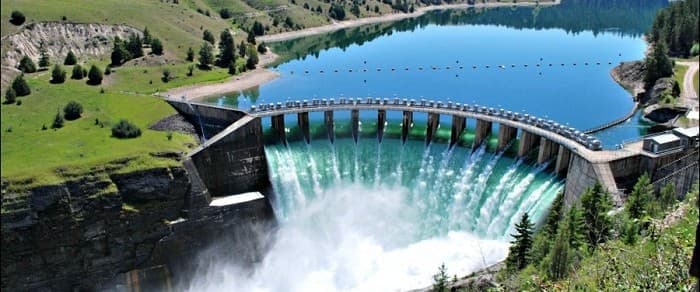
The global energy landscape is in constant flux, but one fundamental truth is emerging: electricity demand is soaring, driven by population growth, electrification, and the insatiable appetite of digital infrastructure like data centers. Amidst this surge, the International Energy Agency (IEA) has issued a clear call to action, with Executive Director Fatih Birol spotlighting hydropower as the “forgotten giant” of clean, flexible power generation. For savvy investors, this isn’t just an environmental plea; it represents a significant, often overlooked, investment opportunity poised for renewed policy support and market recognition.
Hydropower’s Untapped Potential in the Energy Transition
For years, the narrative around renewable energy investment has been dominated by the spectacular growth of solar and wind. While their contributions are undeniable, accounting for a combined 14% of global electricity supply in 2024, hydropower has quietly matched that figure, and even surpassed nuclear power by 50%. This makes it the third-largest global power source after coal and natural gas. Yet, as the IEA points out, it frequently remains an afterthought in policy discussions and capital allocation. This oversight, however, is precisely what creates an attractive entry point for investors. Hydropower offers unmatched flexibility, crucial for balancing the intermittency of other renewables and ensuring grid stability. As grids grapple with integrating higher percentages of solar and wind, the dispatchable and storage capabilities of hydro assets become invaluable, positioning them as critical enablers of a truly resilient clean energy system. The strategic importance of this “forgotten giant” is set to grow exponentially as global economies push towards deeper decarbonization while simultaneously facing unprecedented electricity consumption.
Navigating Volatility: Hydropower as a Stable Anchor Amidst Crude Swings
The broader energy market remains a theater of volatility, with crude oil prices demonstrating sharp movements that can ripple across investor sentiment. As of today, Brent Crude trades at $90.38, reflecting a significant 9.07% decline within the day, with its range fluctuating between $86.08 and $98.97. Similarly, WTI Crude has fallen by 9.41% to $82.59. This downward pressure is part of a broader trend, with Brent having dropped nearly 20% over the last 14 days, from $112.78 to its current level. Such rapid shifts in the oil market underscore the inherent unpredictability of commodity-driven investments. In contrast, investments in established, long-lifecycle power generation assets like hydropower offer a degree of stability and predictable cash flows that can be particularly appealing during periods of commodity price turbulence. While the focus of many investors remains on the immediate impacts of crude oil movements, the consistent demand for electricity, irrespective of short-term oil price swings, highlights the defensive characteristics and long-term value proposition of hydropower projects. This divergence in market behavior provides a compelling argument for diversifying energy portfolios to include assets less susceptible to daily commodity price fluctuations.
Data Centers and Investor Intent: Powering the Future Economy
The explosion of digital infrastructure, particularly data centers and AI computing, is creating a new, substantial source of electricity demand. These facilities require not only vast amounts of power but also reliable, low-emission sources to meet their corporate sustainability goals. This trend is a direct answer to what many of our readers are asking: “What do you predict the price of oil per barrel will be by end of 2026?” and “How well do you think Repsol will end in April 2026?” While these questions often focus on traditional oil and gas players and future crude prices, they reveal a deeper investor concern about long-term energy stability and the performance of diversified energy portfolios. Hydropower directly addresses this. Google’s landmark $3 billion deal with Brookfield Asset Management for hydroelectric power, with potential to scale to 3,000 megawatts for its data centers, is a powerful indicator. This isn’t merely a corporate green initiative; it’s a strategic move to secure stable, clean power at scale, demonstrating a tangible market for large-scale hydropower. This commercial imperative, driven by the digital economy’s energy needs, is a significant catalyst for renewed investment in hydro infrastructure, offering a long-term growth story distinct from the immediate concerns of crude oil futures.
Upcoming Catalysts and Policy Tailwinds for Energy Investment
While the IEA’s call highlights a long-term strategic shift, near-term events in the broader energy market continue to shape investor perceptions and capital flows. The upcoming OPEC+ Joint Ministerial Monitoring Committee (JMMC) Meeting on April 19th and the subsequent OPEC+ Ministerial Meeting on April 20th will be crucial in determining crude supply policy. Decisions made here directly influence oil prices, which can in turn affect the relative attractiveness of alternative energy investments. Similarly, the API Weekly Crude Inventory (April 21st, April 28th) and EIA Weekly Petroleum Status Reports (April 22nd, April 29th) provide essential snapshots of U.S. supply and demand, impacting market sentiment. Even the Baker Hughes Rig Count (April 24th, May 1st), indicative of upstream activity, contributes to the overall energy investment climate. Should these events signal continued volatility or sustained high energy prices, the impetus for governments and private capital to invest in stable, flexible, and low-emission power sources like hydropower will only intensify. The IEA’s advocacy, combined with the clear market signal from major tech companies, suggests a coming wave of policy support and investment. Investors should monitor these macro developments not just for their direct impact on crude, but for how they recalibrate the broader energy investment landscape, potentially elevating the “forgotten giant” of hydropower to a prime position in diversified energy portfolios.


