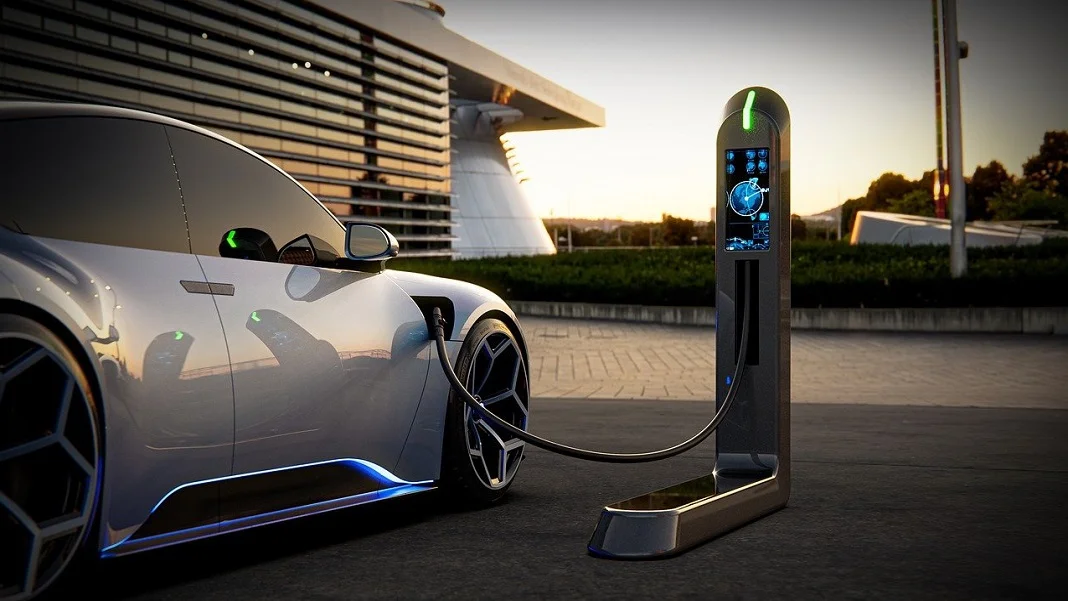
The global automotive landscape is undergoing a profound transformation, with electric vehicles (EVs) rapidly reshaping future energy demand. A recent comprehensive analysis from the International Energy Agency (IEA) reveals an accelerating shift towards electrification, projecting that more than one in four new cars sold worldwide will be electric by 2025. This rapid adoption carries significant implications for investors in the oil and gas sector, signaling a tangible and growing risk to crude oil demand in the coming years.
According to the IEA’s latest Global EV Outlook, the momentum behind electric car sales is not only sustained but intensifying, defying broader macroeconomic headwinds. Fatih Birol, the IEA’s Executive Director, underscored this trend, noting, “Despite significant uncertainties, electric cars remain on a strong growth trajectory globally. Sales continue to set new records, with major implications for the international auto industry.” This outlook suggests that EVs are on track to capture over 40% of the worldwide car market by the end of the decade, a forecast that demands close attention from energy market participants.
Unprecedented Global Growth Trajectory
The data paints a clear picture of an industry in overdrive. In 2024, global electric car sales surpassed 17 million units, marking the first time that EVs accounted for over 20% of total worldwide car sales. This upward trajectory shows no signs of abatement; the first quarter of 2025 alone registered a 35% year-on-year surge in sales. By the close of 2025, the IEA anticipates that the market will exceed 20 million units sold, firmly establishing EVs as more than a quarter of all new vehicle purchases globally.
This swift transition is a critical factor for oil and gas investors to monitor. As the penetration of electric vehicles deepens, the incremental demand for gasoline and diesel from the passenger car fleet will inevitably diminish, placing long-term pressure on refined product markets and, consequently, crude oil prices. Understanding the drivers and geographical nuances of this growth is paramount for strategic planning in the energy sector.
China’s Dominance Reshapes the Market
At the forefront of this electric revolution is China, which continues to exert unparalleled influence over both EV production and consumption. In 2024, China single-handedly accounted for nearly half of all global EV sales, with over 11 million electric cars changing hands within its borders. This figure alone matches the entire world’s EV sales from just two years prior, illustrating the sheer scale of its domestic market. China’s impact extends beyond its internal market; the nation also exported an impressive 1.25 million EVs in 2024, many destined for emerging economies where the value proposition of electric mobility is becoming increasingly attractive.
The strategic implications of China’s leadership are significant. Its aggressive push for electrification, supported by policy and industrial scale, sets a precedent and drives technological advancements and cost reductions that ripple across the global market. For oil investors, China’s swift pivot away from internal combustion engines represents a substantial headwind for future oil demand growth in what has historically been a key growth engine for global energy consumption.
Regional Market Dynamics and Adoption Trends
While China leads, other regions are also contributing significantly to the global EV expansion. Emerging economies across Asia and Latin America are rapidly becoming hotbeds for electric vehicle adoption, reporting a combined sales increase of over 60% last year. These markets, often characterized by dense urban populations and a strong focus on air quality, are ripe for electrification, driven by improving affordability and operational efficiencies.
In the United States, the EV market experienced a solid 10% year-on-year growth, with electric vehicles now comprising more than 10% of all car sales. Europe, while holding steady at a 20% market share, saw its growth rate stabilize as certain subsidy programs tapered off. These regional variations highlight the diverse policy landscapes and consumer preferences that influence EV uptake, yet the overall trend points towards continued expansion across all major automotive markets.
The Undeniable Economics of Electrification
Affordability remains a central pillar of the accelerating EV adoption. As Fatih Birol emphasized, the increasing accessibility of electric vehicles is a primary factor behind the forecast of over 40% global market share by 2030. Competitive pressures and decreasing battery costs contributed to a noticeable decline in battery electric vehicle prices globally in 2024. This trend is particularly evident in China, where an astounding two-thirds of EVs sold were priced below their gasoline-powered counterparts, even without government incentives.
Conversely, price disparities persist in more mature markets. In the United States, battery EVs still carry a premium, being approximately 30% more expensive than equivalent internal combustion engine vehicles. Germany also shows a significant gap, with battery EVs costing about 20% more. However, these upfront cost differences are increasingly offset by compelling operational savings. The IEA report highlights that even if crude oil prices plummeted to $40 per barrel, running an EV in Europe, charged at home, would still cost roughly half as much as fueling a traditional gasoline car. This inherent economic advantage provides a powerful, enduring incentive for consumers to switch, irrespective of short-term fluctuations in oil prices.
Beyond Passenger Cars: The Electrification of Fleets
The shift towards electrification is not confined to passenger vehicles alone. The report also sheds light on a significant expansion in the electric truck segment, which experienced an impressive 80% surge in global sales during 2024. This burgeoning trend in commercial vehicles signals a broader energy transition that will impact demand for diesel and other heavy fuels. As businesses increasingly seek to decarbonize their logistics and reduce operating expenses, the adoption of electric trucks will further erode the traditional demand base for fossil fuels.
For investors focused on the long-term viability of hydrocarbon assets, these developments are critical. The expanding reach of electrification into commercial fleets introduces another layer of demand destruction for refined products, extending the risk beyond light-duty vehicles. The compounding effect of these trends represents a structural shift in the energy landscape, compelling a re-evaluation of investment theses within the oil and gas sector.
Investment Implications for Oil & Gas Stakeholders
The IEA’s latest projections unequivocally confirm that the global energy transition is gaining unstoppable momentum, with electric vehicles at its vanguard. For investors in oil and gas, this rapid electrification presents both a challenge and an opportunity. While it signals a clear long-term threat to crude oil demand, particularly for gasoline and diesel, it also underscores the growing importance of adaptability and diversification within energy portfolios.
As EVs are projected to constitute more than one in four new car sales by next year and over 40% by 2030, the traditional models for forecasting oil consumption must be recalibrated. Companies heavily reliant on refined product sales or with significant exposure to long-haul transportation fuels need to strategically assess their future market positioning. The era of unchecked growth in global oil demand may be approaching its end, making a clear understanding of these disruptive forces essential for navigating the evolving energy investment landscape.


