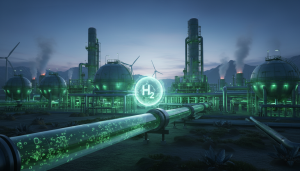
The global energy landscape is undergoing a profound transformation, with green hydrogen emerging as a critical pillar in the journey towards decarbonization. For astute investors in the oil and gas sector, understanding and engaging with these evolving clean energy initiatives is paramount. A significant development on this front is the establishment of Slovakia’s inaugural Hydrogen Valley, a groundbreaking project poised to redefine regional energy infrastructure and signal new investment horizons.
Slovakia’s Landmark Hydrogen Valley: A Blueprint for European Energy Transition
The Košice Region, spearheading a powerful consortium of 22 partners spanning seven European nations, has successfully secured a substantial 9 million EUR grant. This crucial financial injection fuels the creation of the EastGate H2V project, marking Slovakia’s first integrated Hydrogen Valley. Such valleys are comprehensive ecosystems designed to manage the entire hydrogen lifecycle, from sustainable production to ultimate consumption, demonstrating a closed-loop clean energy model. This initiative represents a monumental achievement for Slovak scientific endeavors, having secured the largest grant to date from the Clean Hydrogen Joint Undertaking under the prestigious Horizon Europe framework. With a target launch in April 2025, EastGate H2V is positioned to become a vital case study for future hydrogen deployments across the continent.
Phase 1: Laying the Foundation for Green Hydrogen Production
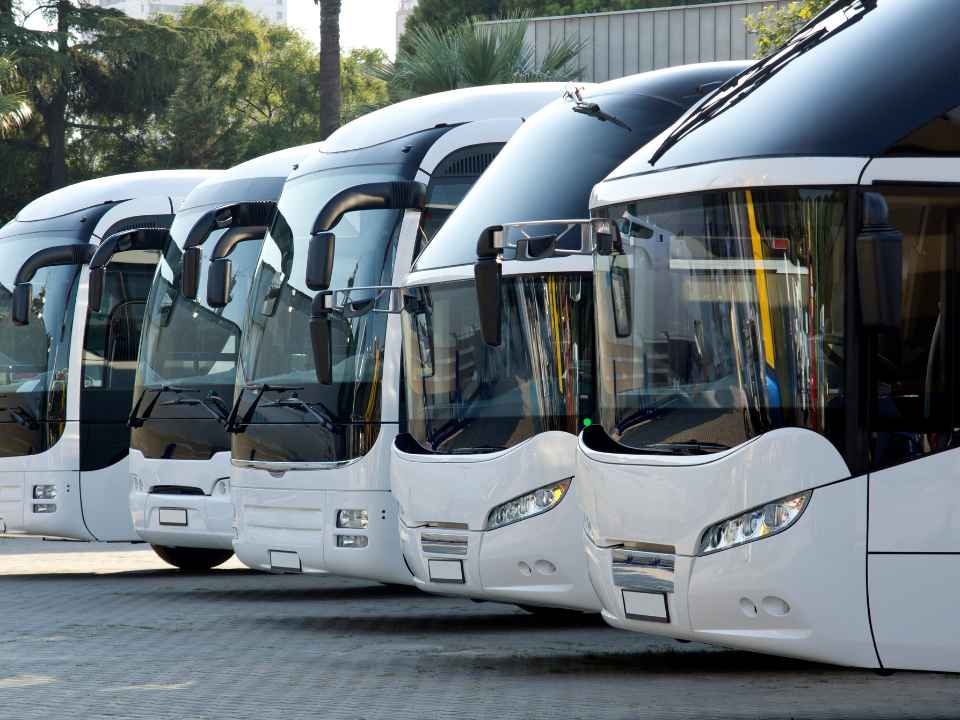
The initial phase of the EastGate H2V project is set to culminate by mid-2027 with the commissioning of a 2-megawatt (MW) electrolyzer in Košice. This state-of-the-art facility will produce an impressive 170 tons of green hydrogen annually. This output is strategically allocated to meet the yearly energy demands of 10 hydrogen-powered buses operating within the region, alongside a specialized hydrogen transport drone. Supporting this initial deployment will be the integration of essential hydrogen refueling stations, ensuring a robust and self-sufficient local hydrogen economy. For investors, this phase represents a tangible demonstration of hydrogen’s viability in regional transport and logistics, highlighting the immediate market for specialized vehicles and refueling infrastructure.
Phase 2: Scaling Up and Infrastructural Integration
Building on the success of the first phase, EastGate H2V will rapidly expand its capabilities. Phase two involves the construction of an additional 2 MW electrolyzer, significantly boosting the region’s annual green hydrogen production capacity to over 500 tons. This increased supply will facilitate a substantial expansion of the regional hydrogen bus fleet, introduce a hydrogen-powered waste collection vehicle, and deploy three more transport drones, diversifying the applications of clean hydrogen. Crucially for the traditional oil and gas sector, this phase includes comprehensive feasibility studies aimed at repurposing existing natural gas pipelines for hydrogen transport. This potential conversion represents a massive opportunity for midstream energy companies, offering a pathway to leverage existing infrastructure in the evolving hydrogen economy and accelerate the transition away from fossil fuels.
Investment Outlook for the Oil & Gas Sector
The EastGate H2V project in Slovakia offers compelling insights for investors closely monitoring the energy transition. The substantial public funding and the consortium approach underscore a strong European commitment to hydrogen development, de-risking early-stage investments and signaling robust policy support. For companies within the oil and gas sphere, this project highlights several strategic avenues. Expertise in large-scale infrastructure development, pipeline management, and gas storage can be directly transferable to hydrogen infrastructure. Engineering firms, equipment manufacturers for electrolyzers and fuel cells, and even traditional energy producers