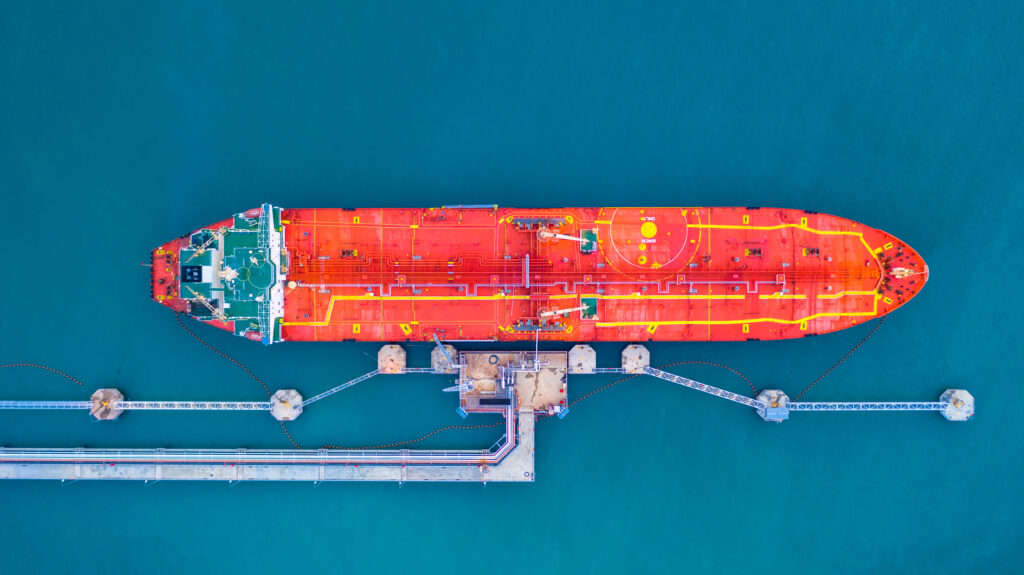
The recent tanker collision in the Strait of Hormuz, involving the Suezmax-class Adalynn and the Front Eagle carrying 2 million barrels of Iraqi crude, has once again underscored the precarious nature of global oil supply chains amidst escalating geopolitical tensions. While thankfully reporting no injuries or spillage, this incident serves as a stark reminder of the inherent risks in the world’s most critical oil chokepoint. Occurring against a backdrop of surged electronic interference and heightened conflict between Iran and Israel, the event, though officially attributed to navigational factors, amplifies investor concerns about the stability of crude flows and the potential for severe market disruptions. For oil and gas investors, understanding the nuances of this incident and its broader context is paramount to navigating the volatile energy landscape.
Immediate Market Response and the Geopolitical Backdrop
The collision, which saw the Front Eagle execute a starboard turn, resulting in an impact with the Adalynn’s port quarter approximately 24 nautical miles off the UAE coast, could have easily triggered a major environmental disaster and a significant oil supply shock. The absence of spillage from the Front Eagle, loaded with its substantial cargo destined for Zhoushan, China, provided a collective sigh of relief for the market. However, the incident’s proximity to the Strait of Hormuz, a waterway handling roughly one-fifth of the world’s seaborne oil, instantly raised alarms.
Despite the severe potential, current market data reveals a fascinating dynamic. As of today, Brent crude trades at $90.38 per barrel, marking a significant 9.07% decline from its previous close, with WTI crude following a similar trajectory at $82.59, down 9.41%. This immediate price drop, rather than a surge, suggests that the market’s relief over the lack of spillage outweighed the geopolitical risk premium for the moment, especially considering Brent’s broader downward trend from $112.78 just two weeks ago to $91.87 yesterday. Investors appear to be prioritizing the absence of a direct supply hit over the elevated risk environment. Nevertheless, the wide daily trading ranges observed for both Brent ($86.08-$98.97) and WTI ($78.97-$90.34) highlight the underlying volatility and sensitivity to any perceived threat.
Navigational Challenges and Elevated Risk in Critical Waterways
The Strait of Hormuz has long been a flashpoint, but the recent surge in electronic interference during the conflict between Iran and Israel adds a new layer of complexity to maritime navigation. While the owner of the Front Eagle, Oslo-listed Frontline, stated there was no suggestion of outside interference in this specific collision, the broader context of GPS jamming and signal disruptions in the region cannot be ignored. Such interference significantly complicates vessel tracking and communication, increasing the probability of navigational errors and accidents. The Adalynn, a Suezmax-class tanker owned by India-based Global Shipping Holding Ltd, was sailing without cargo towards the Suez Canal, yet still became involved in an incident that could have far-reaching consequences if its counterpart had ruptured.
This incident, therefore, underscores a critical and persistent risk for global oil shipping. Even without direct military action targeting tankers, the compromised operational environment due to electronic warfare creates an inherently riskier transit zone. For investors monitoring the energy sector, this translates into potentially higher insurance premiums for vessels traversing the Strait, increased operational costs for shipping companies, and a constant, elevated risk of supply chain disruptions that could materialize from accidents rather than hostile acts.
Investor Focus: OPEC+ Decisions and Future Price Outlook
Amidst these geopolitical jitters and the recent market movements, investors are keenly focused on the factors that will shape future oil prices. Many are currently asking about OPEC+ production quotas and what to predict for the price of oil per barrel by the end of 2026. The immediate future holds several pivotal events that will directly influence these concerns. The OPEC+ Joint Ministerial Monitoring Committee (JMMC) is scheduled to meet on April 18th, followed by the full Ministerial Meeting on April 19th. These gatherings are critical for assessing market conditions and potentially adjusting output policies.
Given the recent declines in crude prices and the ongoing global economic uncertainties, investors will be watching closely for any signals regarding supply discipline. Will the alliance maintain its current cuts, or will there be pressure to ease them? Further insights into market balances will come from the weekly inventory reports: the API Weekly Crude Inventory on April 21st and the EIA Weekly Petroleum Status Report on April 22nd. These reports offer crucial data on U.S. crude stockpiles and demand, which often serve as a bellwether for global trends. Understanding OPEC+’s stance on production, coupled with real-time inventory data, will be instrumental in forecasting the trajectory of crude prices through the remainder of 2026.
Investment Implications and Risk Management Strategies
The Hormuz tanker collision, though not a direct supply disruption, reinforces the need for investors to maintain a high level of vigilance regarding geopolitical risk in energy markets. Companies with significant exposure to Middle Eastern crude production or shipping operations could face increased scrutiny. While the immediate market reaction saw prices fall, this was largely due to the relief of no spillage. The underlying risk premium for oil remains elevated due to the ongoing regional conflicts and the potential for similar, or worse, incidents.
For investors, this environment necessitates a diversified approach. Monitoring the performance of key shipping companies and their risk mitigation strategies is crucial. Furthermore, an understanding of the broader energy transition and its impact on long-term demand dynamics, alongside these short-term supply shocks, is essential. The Baker Hughes Rig Count reports on April 24th and May 1st will also provide valuable insights into North American supply capabilities, adding another layer to the complex supply-demand equation. In this climate of persistent volatility, active portfolio management and a deep appreciation for the interplay between geopolitics, supply fundamentals, and investor sentiment will be key to navigating the oil and gas sector.