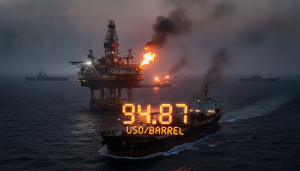
Geopolitical Tensions Drive Oil Volatility as US and China Seek Hormuz Reopening
Global energy markets remain gripped by intense volatility, with crude oil prices surging amidst persistent geopolitical tensions in the Middle East. Recent high-level discussions between the United States and China underscore the critical international concern over the security of the Strait of Hormuz, a vital chokepoint for global oil and liquefied natural gas (LNG) flows. Despite a joint call from President Donald Trump and Chinese President Xi Jinping for the waterway’s immediate reopening, significant diplomatic hurdles persist in resolving the underlying conflict involving Iran, leaving investors bracing for continued market instability.
Diplomatic Overtures and Lingering Deadlock
In a rare moment of alignment between the world’s two largest economies, Beijing echoed Washington’s demand for the expedited resumption of maritime commerce through the Strait of Hormuz. Chinese Foreign Minister Wang Yi affirmed this stance following President Trump’s visit to Beijing, emphasizing the urgency for shipping to normalize “as soon as possible.” This shared objective highlights the severe economic consequences emanating from the prolonged disruption to critical energy transit routes. However, beneath this common ground, distinct strategic approaches to the broader Iranian conflict continue to hinder substantial progress, sustaining a state of diplomatic impasse.
The U.S. administration, through President Trump, indicated ongoing deliberations regarding sanctions levied against Chinese entities engaged in purchasing Iranian crude. Trump stated a decision on potentially easing these restrictions was imminent within days, a move closely watched by market participants for its potential impact on Iranian oil supply and broader energy trade dynamics. Simultaneously, China has adopted a nuanced position, criticizing U.S. and Israeli military actions against Iran while concurrently advocating for the restoration of unimpeded energy shipments through the strategic strait, balancing its global trade interests with regional alliances.
Market Response: Brent Crude Surges Amidst Supply Fears
The absence of a clear path to fully normalize shipping through Hormuz, which historically facilitates approximately one-fifth of the world’s crude oil and LNG trade, continues to fuel market anxiety. Brent crude, the international benchmark, settled Friday above $109 per barrel, extending a protracted rally. Since the conflict’s commencement, oil prices have escalated by approximately 50%, reflecting heightened supply disruption risks and a significant geopolitical premium embedded in current valuations. Energy investors are acutely aware that any further escalation in the region could trigger substantial price shocks.
Early hopes for a partial normalization, evidenced by a brief uptick in tanker movements earlier in the week, quickly dissipated. Fresh reports of another commercial vessel seizure near the Strait of Hormuz immediately amplified security concerns among shipping operators and insurers, reinforcing the perception of an increasingly perilous operational environment. This volatile situation underscores the vulnerability of global energy supply chains to regional instability, compelling companies to reassess risk profiles and logistics.
Iran’s Stance and U.S. Naval Posture
Iran, a pivotal player in the ongoing saga, previously signaled that Chinese-flagged vessels could continue transiting the strait, a testament to China’s formidable position as Iran’s largest crude oil customer. This selective access highlights Iran’s strategic efforts to maintain vital trade relationships amidst international pressure. Concurrently, Tehran has steadfastly resisted Washington’s demands for the complete restoration of shipping access, particularly as the U.S. maintains a naval blockade specifically targeting Iranian ports and hydrocarbon exports. U.S. Central Command reports indicate American naval operations have proactively diverted at least 75 commercial ships away from the Strait of Hormuz since the intensification of maritime restrictions, a clear demonstration of Washington’s enforcement efforts.
Expert Outlook and Investment Implications
Industry analysts emphasize the severe implications of the protracted standoff. Becca Wasser, a defense analyst with Bloomberg Economics, articulated the prevailing sentiment: “Negotiations are deadlocked, violence erupts sporadically, and the economic costs of the prolonged closure of the Strait of Hormuz are rising.” This assessment resonates deeply within investment circles, signaling an elevated risk landscape for oil and gas assets tied to Middle Eastern supply. The ongoing conflict is fundamentally reshaping global energy flows and recalibrating established geopolitical relationships, presenting both challenges and potential opportunities for nimble investors.
The persistent uncertainty demands careful monitoring of Middle East supply routes and the potential for further escalation. For oil and gas investors, navigating this environment requires a nuanced understanding of geopolitical dynamics, supply chain vulnerabilities, and the broader impact on global energy demand and pricing. The current landscape suggests that a significant risk premium will likely remain a fixture in crude oil markets until a definitive resolution emerges, making prudent risk management paramount in portfolio strategy.