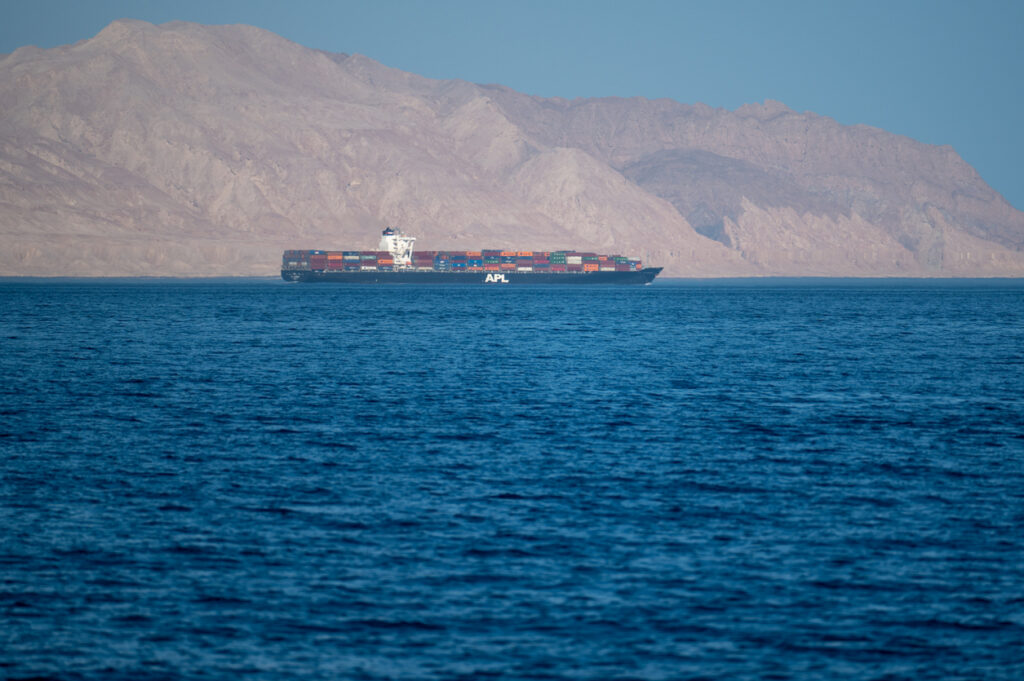
The geopolitical landscape surrounding the Strait of Hormuz, a critical chokepoint for global oil flows, has seen a significant shift this week. Initial concerns over a potential US-led blockade targeting Iranian maritime traffic have largely dissipated, not due to a de-escalation of tensions with Iran, but rather a decisive refusal by key NATO allies to participate in such a measure. This divergence among Western powers has profound implications for oil market stability, supply security, and the broader investment outlook in energy. While the immediate threat of a complete shutdown of the strait, through which approximately one-fifth of the world’s oil supply transits, appears averted, investors must remain vigilant to the underlying geopolitical frictions and their potential to resurface. Our proprietary data shows the market is already reacting to this complex interplay of policy and partnership, with significant investor interest focused on crude price direction and the resilience of global supply chains.
Allied Rejection Secures Hormuz Oil Flow, Alleviating Supply Fears
The Strait of Hormuz, a narrow waterway separating the Persian Gulf from the Gulf of Oman, has been at the center of a six-week-long conflict with Iran, prompting a US proposal for a military blockade. President Trump indicated this measure, set to commence at 1400 GMT on Monday, February 28, would specifically target ships traveling to or from Iranian ports. However, this aggressive stance met immediate and firm resistance from crucial NATO allies, including Britain and France. These nations explicitly stated their refusal to engage in the blockade, emphasizing instead the vital importance of keeping the waterway open for international maritime traffic. British Prime Minister Keir Starmer articulated this position, stating a clear decision not to be drawn into the conflict despite “considerable pressure.” This collective allied stance effectively neutralizes the most immediate threat of a comprehensive disruption to the flow of crude through Hormuz, offering a temporary reprieve for a market highly sensitive to supply shocks. The allies’ insistence on finding a diplomatic resolution and ensuring free navigation underscores a strategic preference for de-escalation over direct confrontation in this crucial energy transit zone.
Crude Markets React to Easing Tensions Amidst Volatility
The market’s immediate response to the perceived security of the Strait of Hormuz, coupled with ongoing supply-demand dynamics, paints a picture of heightened volatility. As of today, Brent Crude trades at $95.32 per barrel, marking a robust 5.47% increase, with its daily range between $92.77 and $97.81. Similarly, WTI Crude has seen a significant bump, now standing at $87.23, up 5.62% within a daily band of $85.45 to $89.60. Gasoline prices have also trended upwards, reaching $3.04, a 3.75% rise. This recent upward swing follows a notable period of downward pressure; our proprietary 14-day Brent trend data reveals a sharp decline from $112.78 on March 30 to $90.38 on April 17, representing a nearly 20% contraction before the current rebound. Investors are keenly watching these price movements, as evidenced by our reader intent data, with frequent queries like “is WTI going up or down” and predictions for year-end oil prices. This indicates a market grappling with short-term geopolitical shifts while also seeking clarity on longer-term trajectory, particularly as the immediate threat to the Strait of Hormuz appears to have receded, at least for now, allowing other fundamental drivers to take precedence.
Navigating Near-Term Catalysts: Upcoming Events for Oil Investors
While the immediate Strait of Hormuz blockade threat has subsided, the energy market remains highly sensitive to fundamental data and policy decisions, with several key events on the horizon that will shape crude price direction. Investors should mark their calendars for the OPEC+ Joint Ministerial Monitoring Committee (JMMC) Meeting scheduled for Monday, April 20. This will be followed closely by the full OPEC+ Ministerial Meeting on Saturday, April 25, where production quotas and market strategy will be deliberated. Any signals regarding supply adjustments from these influential gatherings could significantly impact prices, particularly given the recent volatility. Beyond OPEC+, weekly inventory data remains critical: the API Weekly Crude Inventory reports are due on Tuesday, April 21, and again on April 28, providing early indications of US stock levels. These are then corroborated and expanded upon by the EIA Weekly Petroleum Status Reports on Wednesday, April 22, and April 29. Furthermore, the Baker Hughes Rig Count, scheduled for Friday, April 24, and May 1, will offer insights into North American drilling activity and future supply potential. These upcoming data points and policy discussions will be crucial for investors seeking to understand the ongoing balance between global supply and demand, providing a clearer picture of market fundamentals beyond the immediate geopolitical headlines.
Investment Implications: Strategic Positioning in an Evolving Energy Landscape
The rejection of a Strait of Hormuz blockade by allied nations highlights a complex and increasingly fragmented geopolitical environment, one where traditional alliances are tested, yet pragmatic economic interests often prevail. For oil and gas investors, this scenario underscores the importance of a nuanced approach to risk assessment. While the immediate supply disruption risk from the Strait has been mitigated, the underlying tensions with Iran persist, and the potential for future escalation, perhaps through different means, cannot be ignored. The allies’ preference for a multinational mission to restore navigation, as France plans to organize a conference with Britain and other countries, suggests a more collaborative and less confrontational approach to securing global energy transit routes. However, European nations have conditioned their involvement on a “durable end to hostilities and an agreement with Iran that their ships will not be attacked,” indicating a long road ahead for true stability. Investors seeking long-term exposure to the energy sector must therefore balance the immediate market reactions to geopolitical events with a broader understanding of evolving international relations and their impact on global supply chains. Focus should remain on companies with diversified asset portfolios, robust balance sheets, and a clear strategy for navigating both market volatility and geopolitical uncertainties, as the question of oil price trajectory, as seen in inquiries about “the price of oil per barrel by end of 2026,” remains a paramount concern.