Persian Gulf Tensions Keep Oil Investors on Edge as Diplomacy Stalls
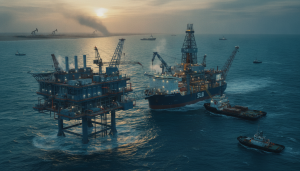
Geopolitical tensions in the Persian Gulf continue to cast a long shadow over global energy markets, creating persistent volatility for oil investors as diplomatic efforts between the United States and Iran remain deadlocked. The critical Strait of Hormuz, a vital chokepoint for international energy flows, remains under significant pressure, compounded by escalating security risks across the region.
Diplomatic Impasse and Escalating Rhetoric
Efforts to de-escalate the conflict and re-establish stability in the Gulf have shown little progress. Both Washington and Tehran are reportedly maintaining intransigent positions in negotiations aimed at broader peace and reopening the Strait of Hormuz. President Donald Trump, signaling growing frustration with the stalled dialogue, recently issued a stark warning to Iran via social media. “For Iran, the clock is ticking,” Trump declared. “They better get moving, FAST. Time is of the essence.”
Iranian state-affiliated media have corroborated reports of a stubborn impasse, indicating Tehran’s firm rejection of several key American demands. These demands reportedly concern crucial aspects such as sanctions relief, the future of Iran’s nuclear material, and broader post-conflict arrangements. This fundamental disagreement underscores the deep chasm that persists between the two nations, making any near-term resolution appear increasingly remote.
Heightened Regional Instability Following Drone Attack
Further underscoring the precarious security landscape in the Gulf, a drone attack recently caused a fire at an electrical generator located outside the Barakah nuclear power plant in the United Arab Emirates. While authorities confirmed that the incident resulted in no injuries or radiological risk, and the International Atomic Energy Agency (IAEA) verified normal radiation levels, the event immediately heightened anxieties. The UAE also reported the interception of two additional hostile drones and has initiated an investigation into the source of the assault. Such incidents serve as a potent reminder for global oil and gas investors of the active and unpredictable threats to critical infrastructure across the energy-rich region.
The Strait of Hormuz: A Critical Chokepoint for Global Energy
The ongoing conflict and associated restrictions on shipping through the Strait of Hormuz continue to disrupt global energy flows, directly supporting elevated crude oil prices. This strategic waterway is the lifeblood of global energy trade, historically facilitating the transit of approximately one-fifth of the world’s total crude oil and liquefied natural gas (LNG) shipments.
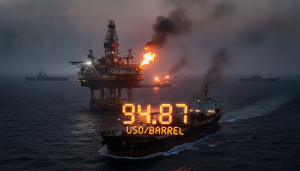
Iranian threats to commercial shipping and ongoing U.S. naval restrictions near Iranian ports have sharply curtailed traffic through this vital maritime artery. For energy market participants, this reduced throughput signals tangible supply risks. Since the conflict began earlier this year, Brent crude futures have surged by an impressive 50%, with traders actively pricing in a prolonged period of potential supply disruptions and geopolitical risk. Despite these overarching tensions, Iranian officials have indicated some tentative steps towards normalizing traffic, reporting that authorities are developing a framework that could allow selected commercial vessels to transit Hormuz under controlled conditions. This, however, offers only a glimmer of hope amidst persistent uncertainty.
China’s Pivotal Role and Sanctions Pressure
The international dimension of this crisis also centers on China, Iran’s largest oil customer. President Trump revealed that during recent meetings with Chinese President Xi Jinping, he discussed potential sanctions targeting Chinese companies that continue to purchase Iranian crude. “I’m going to make a decision over the next few days,” Trump told reporters, alluding to potential new economic measures.
Beijing, however, remains steadfast in its opposition to what it views as extraterritorial U.S. sanctions, particularly those impacting Chinese firms involved in legitimate trade with Iran. China’s continued demand for Iranian oil provides Tehran with crucial economic lifelines, complicating Washington’s efforts to exert maximum pressure through economic isolation. Any escalation of sanctions against Chinese entities could introduce additional layers of complexity and risk into global trade relations, further impacting market stability.
Domestic Pressures and Enduring Negotiation Hurdles
Domestically, the White House faces increasing pressure to stabilize global oil markets and advance negotiations to fully reopen Hormuz. The administration is keenly aware of the broader economic fallout tied to the ongoing conflict, especially with U.S. midterm elections on the horizon later this year. Skyrocketing fuel costs and their impact on consumer confidence are significant concerns that amplify the urgency for a resolution.
Despite these pressures, fundamental obstacles continue to impede a broader agreement between Washington and Tehran. Iran’s expanding enriched uranium stockpile remains a key contentious point. Similarly, the parameters of U.S. naval operations near Iranian waters constitute another significant hurdle in achieving a comprehensive and lasting accord.
Until concrete breakthroughs materialize, or the security environment in the Gulf demonstrably improves, investors in the oil and gas sector should anticipate continued volatility. Geopolitics, rather than pure supply-demand fundamentals, will likely remain the dominant driver for crude pricing in the near term, demanding careful risk assessment and strategic positioning in energy portfolios.
Source