Navigating the Hormuz Vortex: Geopolitical Stability Returns for Malaysian Energy Assets
The Strait of Hormuz, a critical maritime choke point, continues to underscore its profound influence on global energy markets. Investors closely monitor developments in this strategic waterway, recognizing its capacity to trigger significant price volatility and supply disruptions. Recent diplomatic efforts have seemingly de-escalated a concerning situation involving several Malaysian commercial vessels, offering a tentative return to stability for affected energy and shipping firms.
One of the seven Malaysian-flagged merchant ships, previously held amidst heightened regional tensions, has successfully secured safe passage through the Strait and is now en route to its designated port. This breakthrough follows intensive, high-level diplomatic engagement, including a pivotal telephone conversation on March 26 between Malaysian Prime Minister Anwar Ibrahim and Iranian President Masoud Pezeshkian. Prime Minister Anwar emphasized the economic challenges posed by the stranded vessels, receiving assurances from the Iranian leader that instructions would be issued to facilitate their unimpeded transit. Malaysia has consistently balanced cordial diplomatic relations with Iran while advocating for unimpeded freedom of navigation in accordance with international law.
Diplomacy Averts Potential Energy Supply Disruptions
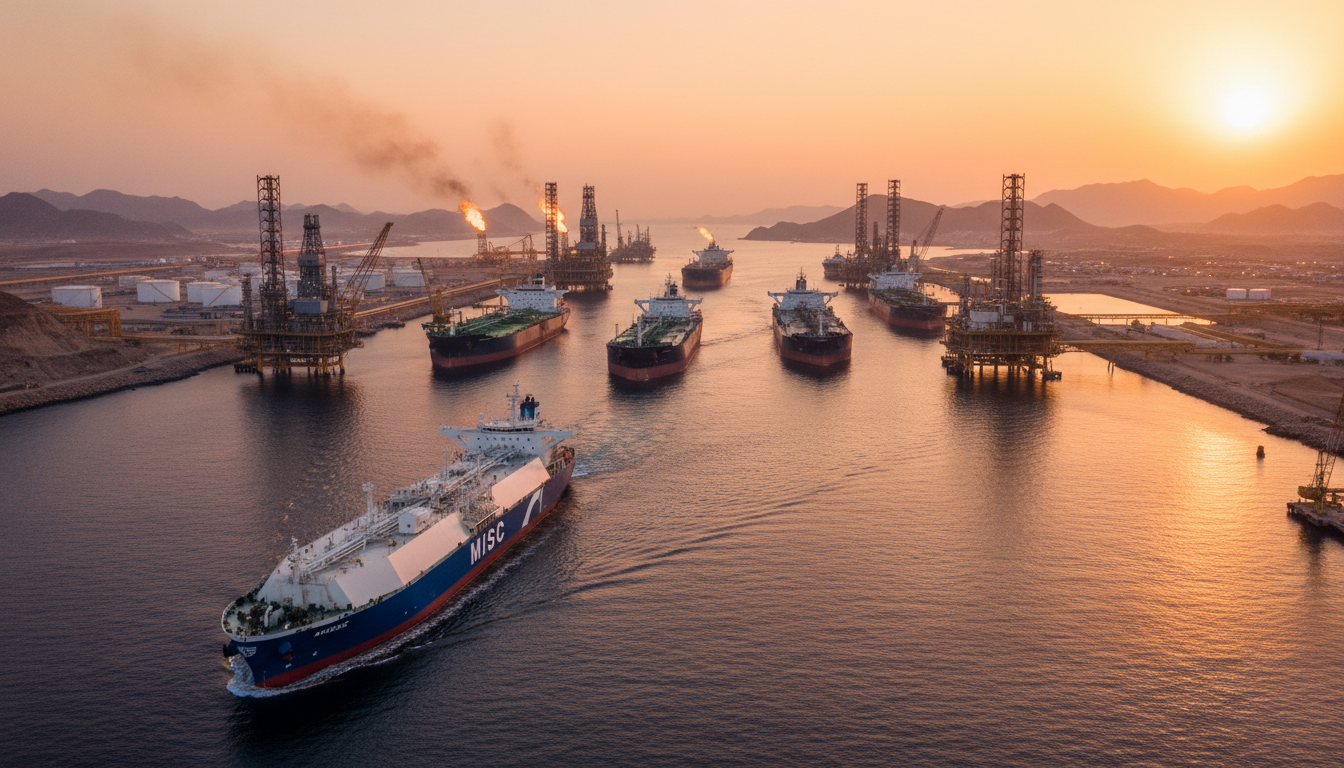
Iran has now granted clearance for all seven Malaysian tankers to traverse the Strait of Hormuz, a waterway that has frequently become a flashpoint in the broader Middle East conflict. Significantly for the operational economics of these voyages, the vessels will not incur the toll typically levied by Iran on ships passing through this vital conduit. Major Malaysian energy sector players, including state-owned giant Petroliam Nasional Bhd., maritime shipping leader MISC Bhd., and integrated energy services provider Sapura Energy Bhd., own or operate some of these impacted vessels. This exemption from tolls represents a tangible benefit, directly impacting shipping costs and overall profitability for these firms navigating complex regional dynamics.
The Ministry of Foreign Affairs reiterated Malaysia’s unwavering commitment to the principles of freedom of navigation and the safety and security of maritime passage, aligning with established international law. This diplomatic resolution, also involving discussions between Malaysian Foreign Minister Mohamad Hasan and his Iranian counterpart Abbas Araghchi on March 24, highlights the crucial role of bilateral engagement in mitigating geopolitical risks that directly affect global trade and energy flows.
Hormuz: The Unavoidable Geopolitical Risk for Energy Investors
The effective or perceived closure of the Strait of Hormuz, even for a limited period, has historically sent ripples through global energy markets. This narrow passage typically facilitates approximately one-fifth of the world’s total crude oil and liquefied natural gas (LNG) flows, making it an indispensable artery for international commerce and energy security. The recent uncertainties surrounding the Malaysian vessels underscored the inherent fragility of this critical supply chain, contributing to market volatility and triggering broader concerns about energy stability.
The wider market repercussions of such incidents are immediate and far-reaching. Two loaded LNG carriers, for example, had reportedly aborted their initial attempt to exit the Persian Gulf via the Strait of Hormuz during the period of heightened tension, before subsequently altering course towards Qatar. Such operational adjustments highlight the logistical challenges and potential delays faced by maritime operators, which can impact delivery schedules and commodity pricing. For investors, these events serve as stark reminders of the geopolitical risk premium often embedded in crude oil prices and LNG contracts, emphasizing the need for robust risk assessment in energy portfolios.
US Intervention and Escalation Risks
The international community’s focus on freedom of navigation through the Strait is paramount. Former President Donald Trump notably articulated that any agreement aimed at resolving the Middle East conflict must unequivocally guarantee unhindered passage through this strategic waterway, declaring its reopening a “very big priority” in ongoing diplomatic discussions with Iran. Furthermore, Trump issued a stern warning that failure by Tehran to meet an imposed deadline could provoke substantial US military responses, including targeted strikes on critical Iranian infrastructure such as bridges and power plants. Such declarations introduce an extreme level of geopolitical risk, escalating the potential for significant disruptions that could cascade across global energy markets, impacting investor confidence and commodity prices.
Despite these profound global uncertainties and the prospect of significant price disruptions originating from regional instability, Malaysia’s energy supply outlook remains robust. Prime Minister Anwar has assured that the nation faces no imminent oil supply crisis, owing to its substantial domestic production capabilities coupled with long-standing and secure import agreements, notably with Australia. This strategic positioning provides Malaysia with a degree of resilience against external shocks, distinguishing its energy security profile from other nations more vulnerable to Middle Eastern maritime disruptions.
Investment Outlook: Navigating Volatility in Oil and Gas
For investors in the oil and gas sector, the recent developments in the Strait of Hormuz reaffirm the necessity of meticulously monitoring geopolitical risks. While the diplomatic resolution for Malaysian vessels offers a temporary reprieve, the region remains a hotspot for potential escalation. Energy companies with diversified assets, flexible logistics, and robust risk management strategies are better positioned to weather such storms. The incident highlights the interconnectedness of international diplomacy, maritime security, and the stability of global energy prices, influencing everything from crude oil benchmarks to LNG spot markets.
Investing in the current energy landscape demands a keen understanding of these intricate dynamics. Portfolio managers should evaluate exposure to regions with high geopolitical risk, consider the resilience of supply chains, and assess the impact of potential shipping insurance premium hikes. The long-term investment thesis for oil and gas will continue to be influenced not only by fundamental supply and demand but also by the unpredictable currents of international relations and the security of vital energy transit routes like the Strait of Hormuz.