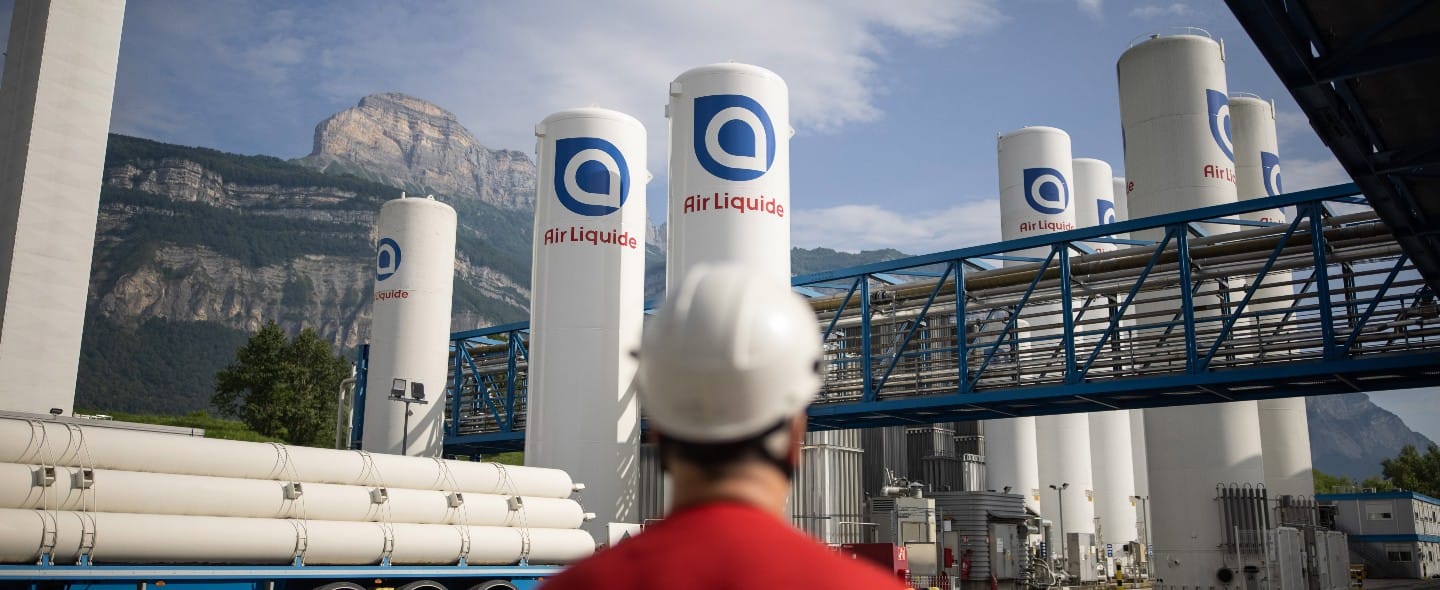
The energy transition is not merely a distant aspiration; it is manifesting in concrete, large-scale industrial projects today. A prime example is the recent strategic agreement between Air Liquide and Holcim, targeting the capture of an impressive 1.1 million tons of CO₂ annually from Holcim’s Obourg cement plant in Belgium. This initiative is more than just a headline; it represents a critical step towards decarbonizing one of Europe’s most emissions-intensive sectors and offers a compelling lens through which to view the future of energy investment. For oil and gas investors, understanding these developments is crucial, as they highlight both the challenges and opportunities within the evolving energy landscape, influencing long-term portfolio strategies amidst fluctuating crude markets and shifting regulatory pressures.
Decarbonization’s New Frontier: The Holcim-Air Liquide Blueprint
At its core, the Obourg project leverages Air Liquide’s proprietary Cryocap OXY technology, integrating it into Holcim’s existing oxyfuel-ready clinker production line. This advanced method replaces traditional air with oxygen in the combustion process, yielding a highly concentrated CO₂ stream that significantly reduces separation costs and boosts capture efficiency. The sheer scale is notable: 1.1 million tons of CO₂ per year, positioning the Obourg facility as a leading example of emissions performance in the cement industry. This sector, responsible for roughly 7 to 8 percent of global CO₂ emissions, cannot fully decarbonize through electrification alone, making carbon capture a non-negotiable component of any credible net-zero pathway. The captured CO₂ is slated for transport via pipeline to an export hub like Antwerp@C, from where it will be shipped for permanent offshore storage in the North Sea. This integrated approach – spanning capture, transport, and storage – underscores the increasing reliance on shared, cross-border infrastructure to manage Europe’s industrial emissions, a trend with significant implications for infrastructure investment in the coming decades.
Navigating Market Volatility: CCS Investments Amidst Crude Swings
While the long-term vision of decarbonization projects like Obourg is clear, investors must constantly balance this with immediate market realities. As of today, Brent Crude trades at $93.72, reflecting a modest 0.51% increase, with WTI Crude following suit at $90.21, up 0.6% within a day range of $89.71 to $90.7. However, these intraday movements are set against a backdrop of significant recent volatility. Our proprietary data shows Brent Crude experiencing a substantial decline from $118.35 on March 31st to $94.86 on April 20th – a sharp 19.8% drop in less than three weeks. This kind of price fluctuation inevitably raises questions for investors about the stability and risk profile of energy investments. Yet, projects like the Holcim-Air Liquide collaboration offer a different dimension. They represent long-term strategic investments in essential industrial infrastructure, providing a degree of insulation from the short-term gyrations of crude markets. For diversified energy portfolios, these decarbonization ventures can act as a counterbalance, offering future revenue streams and mitigating carbon transition risk, irrespective of whether WTI is heading up or down next week.
The Policy Imperative and Upcoming Catalysts for CCS
The Final Investment Decision (FID) for the Obourg project remains conditional, hinging on crucial factors: regulatory clarity on transport infrastructure, public sector derisking support, and the formation of additional partnerships across the value chain. This highlights a critical intersection between market forces and policy frameworks. The broader investment climate, influenced by macro energy events, plays a significant role in fostering an environment conducive to such large-scale commitments. For instance, the upcoming OPEC+ JMMC Meeting on April 21st, while focused on crude production, will set a tone for global supply dynamics, impacting investor confidence. Similarly, the EIA Weekly Petroleum Status Reports (April 22nd and April 29th) and particularly the EIA Short-Term Energy Outlook on May 2nd, will offer critical insights into demand projections and market stability. These reports, while not directly addressing CCS policy, indirectly shape the willingness of governments and private entities to commit to the substantial upfront capital and long-term regulatory frameworks required for projects like Obourg. A clear and predictable market outlook, even if it projects lower prices, can encourage long-term commitments, whereas extreme volatility might make public sector entities hesitant to allocate significant derisking funds, thereby delaying FIDs on vital decarbonization infrastructure.
Investor Sentiment and the Long Game in Decarbonization
Our proprietary reader intent data reveals a consistent theme among investors: a keen focus on short-term price movements, with common questions like “is wti going up or down” and “what do you predict the price of oil per barrel will be by end of 2026?” These questions underscore the immediate concerns driving many investment decisions. However, the Air Liquide-Holcim project speaks to a different, equally critical investment horizon. While short-term crude volatility certainly influences sentiment, strategic investments in carbon capture and storage (CCS) represent a long-term play on the inevitable energy transition. Companies like Holcim, through initiatives like their GO4ZERO program aimed at carbon neutrality in Belgium by the end of the decade, are positioning themselves for a future where carbon emissions carry a significant economic and regulatory cost. For investors, understanding this strategic pivot is key. These projects offer not just environmental benefits but also future revenue diversification and mitigation of carbon-related risks, becoming increasingly attractive for portfolios seeking resilience and long-term growth in a decarbonizing world. The cement sector’s push towards structural decarbonization exemplifies how industrial giants are adapting, creating new investment opportunities that transcend the daily fluctuations of crude prices and offer a compelling narrative for sustained capital deployment.


