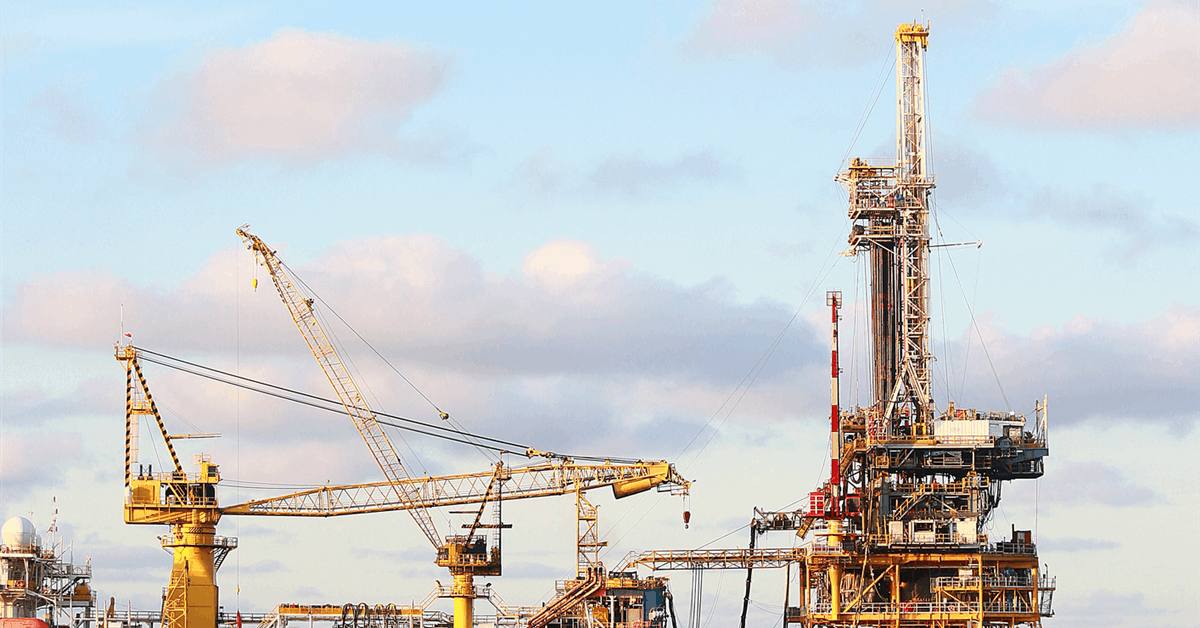
Helix Energy Solutions Group Inc. (NYSE: HLX) has once again demonstrated its strategic positioning in the offshore services sector, securing a significant multi-year contract with a major, undisclosed operator for the U.S. Gulf of Mexico. This new agreement, slated to commence in 2026, solidifies Helix’s already robust backlog, committing critical vessel utilization over a three-year span. In an environment where global energy markets are experiencing considerable volatility, such long-term, high-value contracts underscore the company’s essential role in both maximizing existing production and addressing the growing imperative of well abandonment. For investors tracking the intricate dynamics of oil and gas, Helix’s latest achievement offers a compelling narrative of resilience and forward-looking strategy.
Backlog Resilience Amidst Market Headwinds
The announcement of this multi-year deal for production enhancement and well abandonment services in the U.S. Gulf of Mexico is a testament to Helix’s sustained operational momentum. The contract specifically calls for the deployment of a Q5000 or Q4000 riser-based well intervention vessel, supported by a 10k or 15k Intervention Riser System (IRS) and advanced remotely operated vehicles (ROVs), alongside comprehensive project management and engineering services. This type of integrated offering, delivered in conjunction with SLB through their Subsea Services Alliance, provides a distinct competitive edge, combining specialized equipment with extensive expertise.
This latest win follows a consistent pattern of securing substantial work. Just last month, Helix Alliance, the company’s shallow water abandonment group, inked a three-year framework agreement with ExxonMobil for offshore plug and abandonment services in the U.S. Gulf of Mexico shelf. Earlier in the year, the robotics division, Helix Robotics Solutions Limited, secured a contract with global cable solutions provider Prysmian for post-installation cable burial across the Mediterranean and North Seas, involving the T1400-2 subsea trencher for over 180 kilometers of cable. These sequential contract awards paint a clear picture of an expanding and diversified backlog.
Against this backdrop of operational success, the broader energy market presents a more turbulent picture. As of today, Brent Crude trades at $90.38 per barrel, a notable decline of 9.07% within the day, with a range between $86.08 and $98.97. Similarly, WTI Crude stands at $82.59, down 9.41% for the day. This recent downturn is part of a more significant trend, with Brent having slipped from $112.78 on March 30th to $91.87 just yesterday, representing an 18.5% drop in less than three weeks. While such sharp price corrections can create uncertainty across the upstream sector, Helix’s focus on essential services like production enhancement and well abandonment — which are often regulatory-driven or critical for asset life extension — provides a degree of insulation from short-term commodity price volatility. This segment of the market tends to be less discretionary than pure exploration and development drilling, offering more predictable revenue streams for service providers.
Strategic Focus on Gulf of Mexico Decommissioning and Enhancement
The U.S. Gulf of Mexico remains a cornerstone of Helix’s strategy, and the new contract reinforces its leadership in this vital basin. The GoM is a maturing province characterized by extensive legacy infrastructure. This necessitates continuous investment in production enhancement to maximize recovery from existing wells and, increasingly, in robust decommissioning and well abandonment services to meet stringent regulatory requirements. Helix’s commitment to delivering safe, cost-effective, and efficient services in this region, as highlighted by its COO, Scotty Sparks, directly addresses these critical needs.
The Subsea Services Alliance with SLB is particularly strategic in this context. By combining their collective strengths, the alliance can offer integrated, end-to-end solutions that are highly attractive to major operators facing complex challenges in deepwater and shallow water environments. This collaborative model not only enhances service delivery but also positions Helix to capture larger, more comprehensive contracts that might otherwise be beyond the scope of a single provider. The ability to leverage advanced vessels, decades of experience, and a strong partnership network allows Helix to solidify its position as a trusted partner for long-term offshore solutions, from intervention to heavy lift and marine support.
Investor Perspective: Navigating Volatility with Long-Term Visibility
A key question on many investors’ minds, as evidenced by our reader intent data this week, is “What do you predict the price of oil per barrel will be by end of 2026?” This forward-looking concern about commodity prices highlights the value of companies like Helix, whose long-term contracts, such as the one commencing in 2026, provide significant revenue visibility far beyond the current market noise. While oil prices certainly influence overall E&P spending, the non-discretionary nature of well abandonment and the high-return potential of production enhancement often ensure these services remain a priority for operators, regardless of short-term price fluctuations. The predictability offered by a growing, multi-year backlog can be a significant draw for investors seeking stability in an otherwise volatile sector.
Furthermore, investors are keenly focused on global supply-side dynamics, frequently asking about “OPEC+ current production quotas.” This question is particularly pertinent given the upcoming OPEC+ Joint Ministerial Monitoring Committee (JMMC) meeting tomorrow, April 18th, followed by the Full Ministerial meeting on Sunday, April 19th. The outcomes of these meetings, alongside the weekly API and EIA crude inventory reports scheduled for April 21st and 22nd, respectively, will undoubtedly influence short-to-medium term oil price trajectories. While these events can create significant market swings, Helix’s business model is structured to mitigate some of this direct exposure. By providing essential services that are often dictated by regulatory compliance or the fundamental need to maintain and optimize existing production, Helix can demonstrate a degree of resilience even when broader market sentiment shifts rapidly due to supply-demand imbalances or geopolitical developments. The company’s diversified revenue streams, including robotics solutions in the renewables space, further enhance its appeal as a robust investment.
Diversification and Asset Optimization Driving Future Growth
Beyond its core oil and gas services, Helix’s strategic investments in its robotics division highlight a broader approach to asset optimization and diversification. The contract with Prysmian for subsea cable burial in the Mediterranean and North Seas showcases the versatility of Helix’s specialized fleet, particularly the T1400-2 subsea trencher. This marks the first major deployment of this system since its acquisition and integration into the fleet, demonstrating the company’s commitment to maximizing the utility of its assets across various subsea applications, including the growing offshore wind and interconnector cable markets.
This capability to deploy high-value assets in adjacent sectors provides Helix with additional revenue streams and reduces its sole reliance on the traditional oil and gas lifecycle. By leveraging its expertise in complex subsea operations, Helix is positioning itself not just as a leader in well intervention and decommissioning but also as a versatile subsea contractor capable of serving a wider range of energy infrastructure projects. This forward-thinking strategy, combining deep industry knowledge with technological adaptability, underpins the company’s long-term growth prospects and offers a compelling investment thesis in a rapidly evolving energy landscape.


