Heavy Industry: Embrace Carbon Removal for Future Returns
The global energy transition presents both formidable challenges and unprecedented opportunities for heavy industry. As the world pivots towards a decarbonized future, industrial giants face escalating pressure to significantly reduce their carbon footprint. However, beyond mere compliance, a powerful strategic advantage awaits first movers and early adopters in the realm of industrial carbon removal. This isn’t simply an environmental obligation; it represents a critical pathway to enhancing efficiency, boosting productivity, and unlocking new revenue streams, ultimately delivering compelling economic returns for shareholders.
Forward-thinking industrial leaders are recognizing that integrating carbon removal technologies into existing value chains is not just an option, but a strategic imperative. This proactive stance allows companies to not only meet evolving regulatory demands but also to forge a resilient, profitable future. The convergence of climate necessity and commercial viability now offers a clear investment thesis: industrial carbon removal is poised to become a cornerstone of sustainable growth and competitive differentiation.
The Inevitable Convergence of Profit and Planet
Heavy industry stands at a critical juncture, confronted by a rapidly evolving landscape of environmental regulations and shifting market expectations. The imperative to both reduce direct emissions and actively remove legacy carbon from the atmosphere is intensifying, a trend projected to accelerate significantly in the coming decades. For savvy investors, this dynamic signals a powerful catalyst for change within the sector.
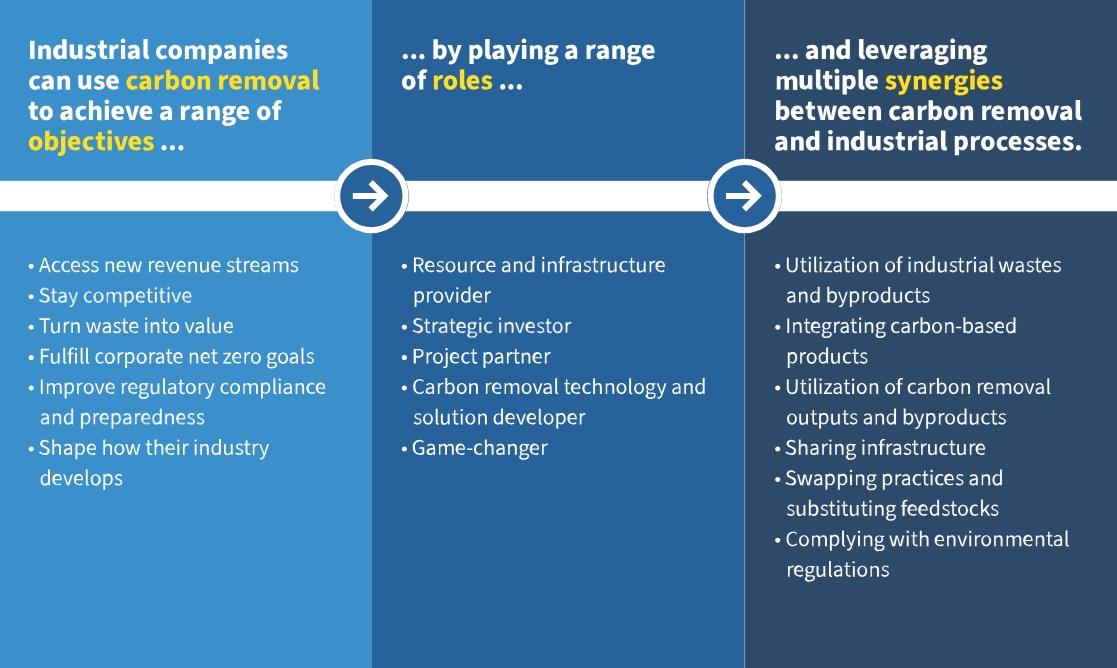
Developing and deploying robust carbon removal capabilities provides industrial enterprises with an essential, complementary toolkit for navigating these pressures. Initial pilot projects across diverse sectors, including desalination, pulp and paper manufacturing, wastewater treatment, and mining operations, demonstrate that these technologies need not represent a net cost. Instead, proactive engagement with direct carbon removal (CDR) unlocks tangible commercial opportunities. Companies can achieve enhanced operational efficiency, gain early access to burgeoning carbon markets, and command premium pricing for “green” or low-carbon products. Furthermore, investing in carbon removal now serves as a powerful hedge against future regulatory risks, mitigating potential exposure to carbon taxes and increasingly stringent compliance costs. This shift transcends simple environmental stewardship; it embodies a sophisticated commercial strategy for long-term value creation in an uncertain global economy.
Unlocking Value from Existing Industrial Footprints
Contrary to common misconceptions, adopting carbon removal strategies does not necessarily demand wholesale overhauls or the deployment of unproven, disruptive technologies. Many heavy industrial operations possess inherent synergies and underutilized assets that can be strategically leveraged for both carbon removal and broader emissions reductions. This represents a significant capital efficiency advantage for early movers.
Consider the vast potential residing in industrial waste streams. Materials from agriculture and forestry, construction and demolition debris, byproducts from desalination plants, mining operations, steel manufacturing, and wastewater processing facilities can all be repurposed for long-term carbon removal and secure storage. This transforms what was once a disposal challenge into a valuable resource. Moreover, the existing physical infrastructure across these industries, often viewed as static, can be made significantly more productive through the strategic integration of CDR activities. This path requires astute innovation in processes, operational methodologies, and business models, but it does not hinge on radical scientific breakthroughs. Instead, it emphasizes smart, incremental innovation within established operational frameworks, maximizing the utility of existing assets. Such strategic enhancements empower early adopters to improve their near-term performance metrics while simultaneously bolstering long-term growth trajectories and organizational resilience against future climate-related disruptions.
Securing Long-Term Value and Resilience Through Early Adoption
For investors focused on sustainable returns and long-term capital appreciation, committing to carbon removal initiatives now represents a crucial “future-proofing” strategy for heavy industrial portfolios. The companies that proactively invest in these technologies today are not merely complying with future mandates; they are actively shaping the competitive landscape of tomorrow. This forward-looking approach positions them as industry leaders, attracting a growing pool of ESG-focused capital and distinguishing them from less agile competitors.
Early adoption of carbon removal allows companies to de-risk their operations against the accelerating pace of climate transition. By building in-house expertise and developing scalable solutions, these pioneers can mitigate the financial and reputational impacts of future carbon pricing mechanisms and stakeholder demands. Furthermore, establishing a leadership position in industrial decarbonization fosters a sustainable competitive advantage. It opens doors to new partnerships, facilitates access to green financing, and strengthens brand equity among an increasingly environmentally conscious customer base. Investing in carbon removal is an allocation of capital towards innovation and resilience, safeguarding shareholder value by ensuring that heavy industry remains vital and profitable in a world increasingly defined by its commitment to net-zero emissions. The strategic imperative is clear: embrace carbon removal not as an expense, but as a critical investment in the enduring profitability and relevance of heavy industry.