Climate Crisis Accelerates Energy Transition
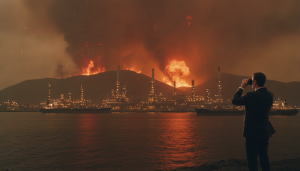
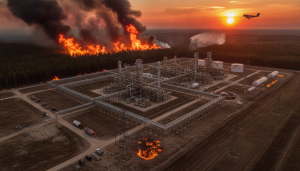
The escalating climate crisis, starkly evidenced by increasingly frequent and intense extreme weather events, is no longer a distant threat but a present reality reshaping global energy markets and investor strategies. Recent scientific assessments underscore the dramatic amplification of heatwaves, with some events now deemed 100 times more likely due to human-induced climate change. This intensifying environmental pressure, directly linked to the burning of fossil fuels, signals an undeniable acceleration in the imperative for energy transition. For oil and gas investors, navigating this landscape demands a dual focus: understanding the immediate market dynamics driven by supply and demand, while simultaneously positioning for a future fundamentally reshaped by decarbonization efforts.
Market Volatility Amidst Climate Imperatives
Despite the growing scientific consensus on the urgent need to reduce fossil fuel dependence, short-term market dynamics often present a complex picture for energy investors. As of today, Brent crude trades at $90.38 per barrel, experiencing a significant daily drop of 9.07%, with WTI crude following a similar trajectory at $82.59, down 9.41%. Gasoline prices have also seen a notable decline, currently at $2.93 per gallon, down 5.18%. This recent volatility marks a continuation of a broader trend, with Brent crude having fallen by over 18.5% from $112.78 on March 30th to $91.87 just yesterday, April 17th. This substantial correction suggests that immediate concerns over global economic growth, potential demand softening, or shifts in supply expectations are currently outweighing the long-term, existential warnings from climate scientists. Investors are grappling with the paradox of a world increasingly reliant on hydrocarbons in the short term, yet facing mounting pressure to transition away from them in the long term, creating a highly uncertain and often contradictory investment environment.
Investor Focus: Balancing Fundamentals and Future Trajectory
Our proprietary reader intent data reveals a clear preoccupation among investors with both the immediate and long-term outlook for crude oil prices and the energy sector. Questions such as “What do you predict the price of oil per barrel will be by end of 2026?” highlight the acute challenge of forecasting in a market buffeted by geopolitical events, economic shifts, and accelerating climate policy. Similarly, inquiries about “What are OPEC+ current production quotas?” underscore the critical role that major producers continue to play in managing global supply and influencing price stability. While the scientific community points to rising carbon emissions from coal, oil, and gas as pushing the world perilously close to irreversible warming thresholds, investors must still evaluate the operational realities of the energy sector. Companies like Repsol, which readers have inquired about, exemplify the complex balancing act: maintaining a robust hydrocarbon business to generate cash flow while increasingly investing in renewable energy and lower-carbon solutions to adapt to the evolving energy landscape. The market is increasingly rewarding firms that demonstrate a credible transition strategy, even as their core business remains rooted in traditional energy.
Navigating Near-Term Events and Supply Dynamics
The immediate future holds several critical events that will undoubtedly influence oil and gas prices, offering both opportunities and risks for investors. The OPEC+ Joint Ministerial Monitoring Committee (JMMC) meeting on April 18th, followed by the Full Ministerial meeting on April 19th, will be closely watched for any signals regarding production policy. Given the recent price declines, any indication of maintained or even deepened production cuts could provide a floor for prices, while an unexpected increase in quotas could exacerbate downward pressure. Beyond OPEC+, the weekly API Crude Inventory reports (April 21st, April 28th) and EIA Weekly Petroleum Status Reports (April 22nd, April 29th) will offer crucial insights into U.S. supply and demand dynamics, including crude oil, gasoline, and distillate stocks. These reports can trigger significant price movements depending on whether inventories show unexpected builds or draws. Furthermore, the Baker Hughes Rig Count on April 24th and May 1st will provide a barometer for future U.S. crude production, influencing longer-term supply expectations. These near-term fundamental indicators remain paramount for investors, even as the broader narrative shifts towards decarbonization. Understanding these short-cycle events is essential for tactical positioning within the overall strategic framework of energy transition.
The Long Game: Strategic Investment in a Decarbonizing World
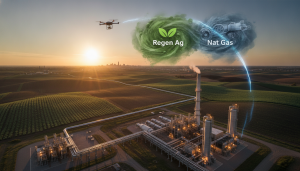
The intensifying climate crisis, with its devastating human and economic costs, reinforces the long-term investment thesis for energy transition. Scientists’ warnings about exceeding the 1.5C global warming limit, coupled with the increasing frequency of extreme weather events, signal an inevitable and accelerating shift away from unabated fossil fuel consumption. For investors, this means a strategic re-evaluation of portfolios. While traditional oil and gas assets will continue to play a role in the near to medium term, particularly those with low production costs and strong carbon management strategies, the long-term capital allocation must increasingly favor renewable energy, electrification infrastructure, carbon capture technologies, and energy efficiency solutions. The “silent killer” of heatwaves, as described by researchers, is a stark reminder of the urgent need for systemic change. Investors who position themselves in companies driving this transition – those developing innovative clean energy solutions, enhancing grid resilience, or facilitating industrial decarbonization – are likely to capture significant value. The accelerated pace of climate change means that the energy transition is not just an environmental imperative, but a profound economic one, dictating the future winners and losers in the global energy landscape.