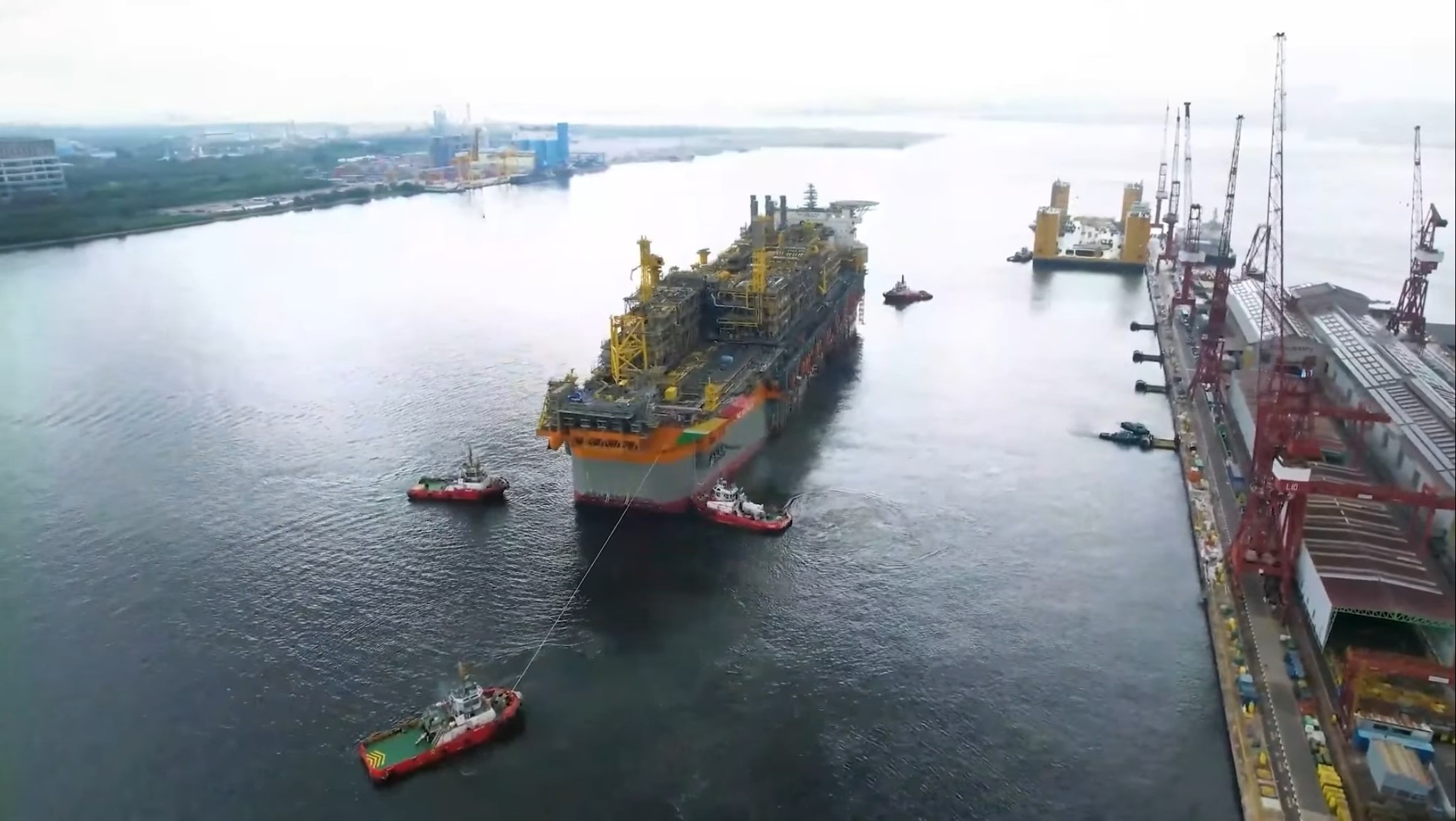
Guyana’s Strategic Pivot: Fueling Future Growth Beyond Oil
Guyana has rapidly transformed into a global energy powerhouse since first oil in 2019, now boasting one of the highest oil outputs per capita worldwide. This meteoric rise in crude production has fueled unprecedented economic growth, but the nation’s leadership is acutely aware of the historical pitfalls associated with resource-dependent economies. Rather than resting on its laurels, Guyana is embarking on an ambitious and strategic diversification drive, leveraging its newfound oil wealth to build a resilient, multi-faceted economy. This proactive approach aims to mitigate the “resource curse,” channeling petrodollars into critical infrastructure, power generation, and non-oil sectors to ensure long-term stability and sustainable development. For investors, Guyana presents a compelling case study of a nation attempting to convert transient energy wealth into enduring prosperity, warranting close attention to both its upstream developments and its strategic pivot.
Market Realities and Guyana’s Funding Blueprint
The foundation of Guyana’s diversification strategy is, unequivocally, its robust offshore oil production. However, for an economy heavily reliant on crude revenues to fund its ambitious projects, market stability and price direction are paramount. As of today, Brent crude trades at $94.74, marking a significant 4.77% gain, with WTI crude mirroring this strength at $91.68, up 4.87%. This positive daily movement suggests renewed bullish sentiment in the short term. Yet, a broader perspective reveals the inherent volatility of the oil market; our proprietary data indicates Brent crude shed nearly 20% in the last 14 days, falling from $118.35 on March 31st to $94.86 by April 20th. Such price swings directly impact Guyana’s fiscal capacity, emphasizing the urgency and prudence behind its diversification efforts. Every dollar generated from its ExxonMobil-operated offshore developments is critical for funding the new roads, bridges, power grids, and industrial zones that form the bedrock of its non-oil future. The government’s challenge lies in balancing significant national spending on these transformative projects with long-term fiscal stability, ensuring that current revenues are wisely invested rather than merely consumed.
Building a Broader Economic Base: The Diversification Playbook
Guyana’s strategy to expand beyond crude exports is multi-pronged and deeply integrated. A central pillar of this plan is the development of its natural gas resources, specifically the gas-to-shore pipeline. This critical infrastructure project, expected to come online later this year, will supply feedstock for power generation and industrial use. The anticipated reduction in electricity costs and improvement in grid reliability are not merely conveniences; they are foundational elements designed to attract and support manufacturing, data centers, and other high-value, non-oil industries. Beyond energy infrastructure, the government is channeling investment into traditional sectors like agriculture and mining, while simultaneously fostering growth in manufacturing. This deliberate expansion aims to broaden the economic base, creating diverse revenue streams and employment opportunities less susceptible to the cyclical nature of global oil prices. The goal is to create an enabling environment where future economic growth is driven by a portfolio of industries, safeguarding the nation from the boom-bust cycles often experienced by single-commodity economies.
Addressing Investor Concerns: Navigating Price Volatility
Our proprietary reader intent data offers a direct window into the minds of energy investors, revealing a consistent focus on market direction and future price trajectories. Questions like “is WTI going up or down?” and “what do you predict the price of oil per barrel will be by end of 2026?” highlight a collective desire for clarity amidst market uncertainty. These questions resonate deeply with Guyana’s economic narrative. For a nation funding its future through oil exports, the stability and predictability of crude prices are paramount. The diversification strategy directly addresses these concerns, offering a pathway to reduce the national economy’s exposure to oil market volatility. By cultivating non-oil sectors, Guyana aims to build a more resilient revenue base, decoupling its national budget from the daily gyrations of Brent and WTI. Investors watching Guyana are not just tracking production figures; they are assessing the government’s ability to execute this ambitious pivot, understanding that successful diversification could de-risk the nation’s long-term financial outlook, making it a more attractive environment for sustained foreign direct investment beyond the energy sector.
Forward Outlook: Key Catalysts and Calendar Events
The coming months will be crucial for Guyana’s economic trajectory, with several key internal developments and external market forces at play. The activation of the gas-to-shore pipeline later this year stands out as a transformative internal catalyst, promising to unlock new industrial capabilities and significantly lower energy costs. On the broader energy market front, upcoming events on our calendar will continue to shape the global price environment that directly impacts Guyana’s revenue stream. Tomorrow, April 21st, the OPEC+ JMMC Meeting could signal shifts in production policy, while the EIA Weekly Petroleum Status Reports on April 22nd and 29th will provide fresh data on U.S. inventory levels, a key driver of short-term price movements. Furthermore, the EIA’s Short-Term Energy Outlook on May 2nd will offer a macro forecast crucial for investors trying to gauge crude prices through 2026, directly addressing the forward-looking inquiries from our readers. Investors should monitor these events closely, as their outcomes will influence the fiscal headroom Guyana has to accelerate its diversification initiatives and solidify its path towards a more balanced and sustainable economic future.