In a significant strategic pivot, Bahrain, the smallest crude oil producer among the Persian Gulf states, is actively pursuing liquefied natural gas (LNG) imports, a move signaling both a shift in its domestic energy strategy and a keen awareness of current global market dynamics. The nation’s state energy conglomerate, Bapco Energies, is capitalising on what its leadership describes as a well-supplied global LNG market, exploring both immediate spot purchases and potential long-term agreements to secure its energy future.
Navigating a Buyer’s Market for LNG
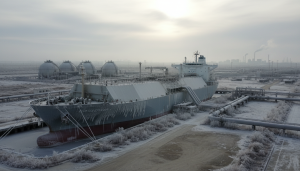
Bapco Energies’ recent actions underscore the prevailing buyer-friendly conditions in the international LNG arena. The company successfully received an LNG cargo this month, reactivating its floating import terminal. This initial delivery is set to be followed by another in June, demonstrating a clear intent to leverage readily available supplies. Mark Thomas, Chief Executive Officer of Bapco Energies, highlighted the robust market response, noting, “We’ve been pleasantly surprised with the response we’ve gotten from suppliers.” This sentiment reflects a market awash with available cargoes, enabling purchasers like Bahrain to secure necessary volumes with greater flexibility and potentially more favorable terms.
The company has already finalized a tender for LNG supplies covering June and July, indicating a structured approach to meeting near-term demand. Furthermore, Bapco Energies is considering additional tenders for later in the year, a tactic that allows them to remain agile and responsive to evolving market prices and availability. The ability to acquire spot cargoes from a diverse range of suppliers points to a highly dynamic environment, where geopolitical shifts and supply expansions are creating new opportunities for importers.
Global Supply Dynamics Reshaping Energy Strategies
Several macro-economic and geopolitical factors are contributing to the current abundance in the global LNG market. The ongoing trade tensions, particularly those initiated by the United States, have cast a shadow over global economic growth prospects. This slowdown, especially impactful in major energy-consuming economies like China, has tempered projected energy demand. China, a pivotal player in global LNG consumption, has seen its appetite for the super-chilled fuel fluctuate, consequently freeing up significant volumes for other buyers on the spot market.
Beyond demand-side shifts, the supply landscape is also undergoing a transformative period. Numerous large-scale LNG liquefaction projects are slated to come online in the coming years, promising to inject substantial new capacity into the market. This impending wave of supply is attracting a new cohort of buyers, including nations and industries that might have previously been priced out of the market during periods of tighter supply. For investors, this trend signifies a potential rebalancing of power in the global gas trade, favoring importers and creating more competitive pricing environments.
Strategic Portfolio Balancing: Spot vs. Long-Term Contracts
Bahrain’s energy strategy is not merely focused on immediate gains from the spot market. The island nation is also looking towards long-term energy security and stability. Bapco Energies is contemplating issuing tenders before the close of this year for LNG cargoes designated for delivery in 2026 and 2027. This forward-looking approach aims to secure future supplies well in advance, mitigating potential price volatility and supply disruptions. Thomas confirmed that the company is actively assessing the merits of entering into a long-term contract to complement its existing spot and shorter-term agreements.
This dual strategy—leveraging the current spot market for flexibility while simultaneously exploring long-term commitments—is a sophisticated approach to energy procurement. It allows Bahrain to benefit from competitive spot prices today, while also establishing a stable foundation for its future energy needs, crucial for industrial planning and economic growth. For investors, monitoring such moves provides insight into how smaller, but strategically important, energy players are adapting to the complexities of the global gas market.
Cultivating Domestic Resilience: Unconventional Gas Development
Parallel to its international LNG procurement efforts, Bahrain is also vigorously pursuing the development of its indigenous natural gas resources. The nation has awarded a significant contract to EOG Resources Inc., a prominent American independent oil and gas company, to explore and develop its unconventional gas reserves. This partnership underscores Bahrain’s commitment to enhancing its domestic energy independence and diversifying its energy mix away from a sole reliance on imported fuels or associated gas from oil production.
The unconventional concession holds substantial promise, with expectations that it could yield its first commercial gas volumes for the domestic market within this calendar year. Such a development would be a landmark achievement for Bahrain, reducing its reliance on external sources and providing a more secure and cost-effective energy supply for its growing industrial base and power generation needs. For investors tracking EOG Resources, this international venture represents a diversification of their asset base and a potential new revenue stream in an emerging gas play.
Fueling Industrial Growth: Refinery Expansion Nears Completion
Bahrain’s overarching energy strategy is intrinsically linked to its broader economic development goals, particularly in the industrial sector. Bapco Energies is in the final stages of ramping up its ambitious new refinery expansion project. This significant upgrade is expected to reach its full operational capacity by approximately the end of the year. The expanded refinery will bolster Bahrain’s capabilities in crude oil processing and refined product output, enhancing its position as a regional energy hub.
The increased refinery capacity will inevitably drive greater demand for energy inputs, including natural gas for power generation and process heat. This synergy between industrial expansion, enhanced refinery capabilities, and a robust gas supply strategy – encompassing both diversified imports and domestic unconventional development – paints a comprehensive picture of Bahrain’s forward-thinking energy policy. For investors, these developments highlight the ongoing capital expenditure and growth potential within Bahrain’s energy infrastructure, offering insights into regional industrial trends and the associated demand for energy commodities.