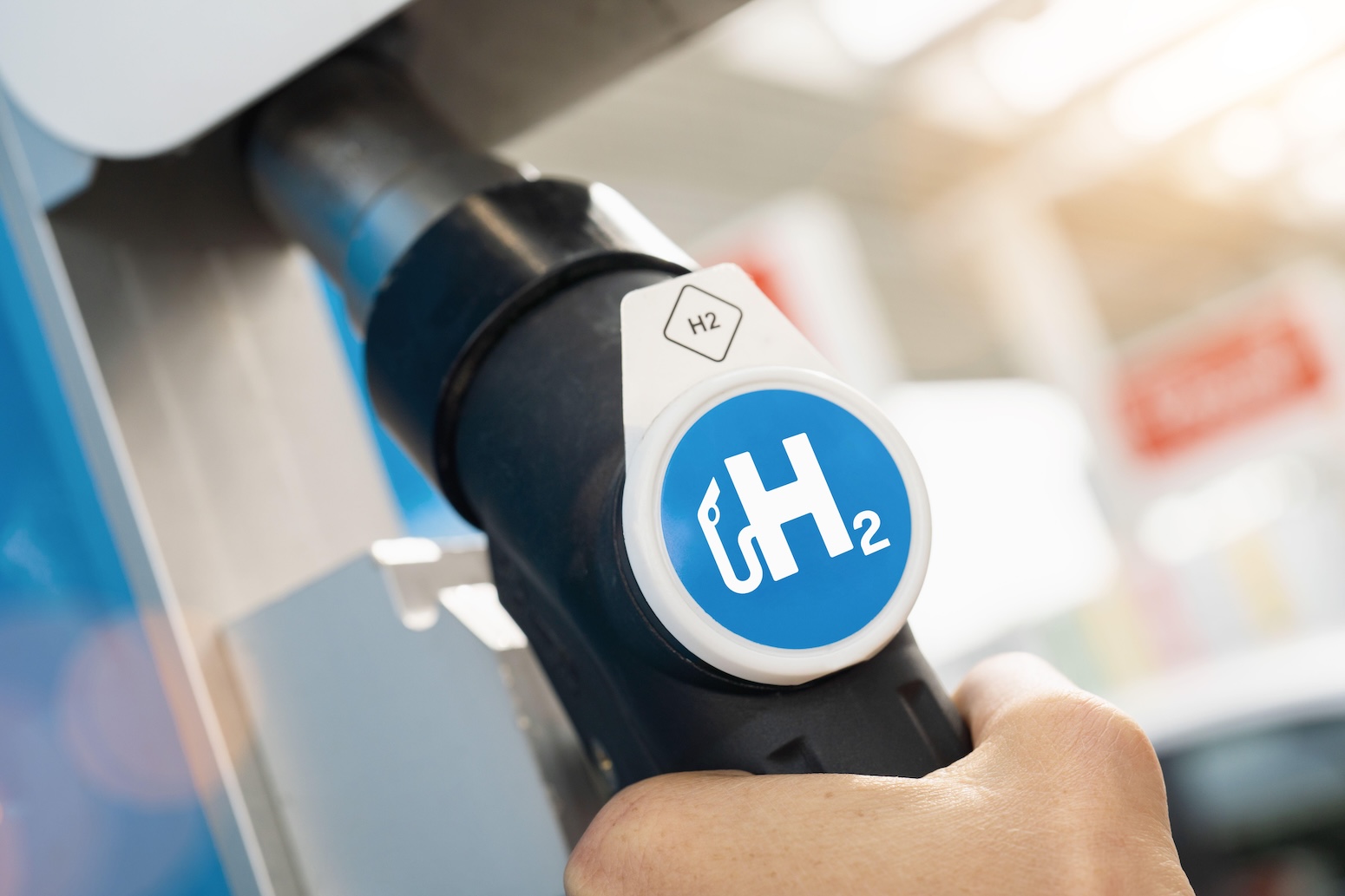
In the dynamic landscape of global energy transition, few concepts have ignited as much enthusiasm and attracted as much capital as hydrogen. Touted for its potential to revolutionize everything from heavy industry to personal transport, billions have poured into its research and development. Yet, for astute investors navigating the complex energy markets, a recent, comprehensive analysis presents a sobering reality: hydrogen’s widespread commercial viability remains largely confined to very specific industrial applications, consistently failing to gain significant traction in the highly publicized consumer-facing sectors. This stark divergence between ambitious projections and actual market penetration demands rigorous scrutiny from those strategically allocating capital across the oil and gas value chain.
Untangling Hydrogen’s True Competitive Arena
A recent, meticulous review article systematically probed hydrogen’s genuine potential, discerning precisely where it might achieve true cost and environmental competitiveness and, critically, where it falls short against established or rapidly emerging alternatives. This exhaustive research carefully weighed the economic costs and carbon footprints associated with hydrogen utilization across a multitude of scenarios, unequivocally identifying substantial barriers that continue to impede its broader adoption. For investors with a keen eye on long-term returns and sustainable portfolios, grasping these fundamental hurdles is absolutely paramount for making informed capital deployment decisions within an energy market undergoing profound and rapid transformation.
Despite persistent promotion, highly publicized applications such as residential heating and powering personal vehicles are demonstrably failing to achieve meaningful scale. The core issue, as starkly illuminated by the analysis, originates from hydrogen’s inherent inefficiency and significantly elevated cost profile for these particular end-uses. To underscore this critical market dynamic, consider a compelling illustration: the global sales figures for luxury sports cars manufactured by Italy’s iconic automotive powerhouse actually surpass the combined total sales of all hydrogen fuel-cell vehicles worldwide. This stark, real-world comparison offers an undeniable signal regarding current consumer preference, the technological readiness of hydrogen solutions, and the prevailing market sentiment.
Decades of Unmet Expectations and Stalled Momentum
Hydrogen’s perceived broad applicability has led to its consideration for an astonishing array of uses, ranging from miniature portable electronics to the propulsion of aviation, even inspiring novelties like a hydrogen-powered robotic horse. However, a deep dive into historical data reveals a consistent pattern: global hydrogen production has persistently lagged significantly behind the optimistic forecasts issued by major energy companies, influential NGOs, and leading academic institutions over the past five decades. Since the early 1970s, actual production has expanded at a remarkably modest rate of approximately 3% annually, falling dramatically short of the initial, high-flying expectations that once captivated the energy sector.
This sluggish growth trajectory serves as a potent indicator that hydrogen is not always the most optimal or economically viable decarbonization pathway, particularly given that several high-profile use cases continue to falter despite extensive and often speculative investment. Many of these applications, most notably home heating and passenger cars, are now experiencing an accelerating wave of electrification – a trend that hydrogen appears increasingly unlikely to overtake or even significantly challenge.
Electrification’s Dominance and Market Realignments
The residential heating market provides a compelling case study of this fundamental shift. In the United States, electric heat pumps have decisively outperformed traditional gas-fired boilers in terms of sales since 2022. This clear market signal demonstrates a profound and accelerating shift in both consumer preference and underlying regulatory support towards electric solutions for domestic heating. This trend is not merely anecdotal; it reflects a broader technological and economic advantage that electrification is solidifying across numerous sectors previously targeted by hydrogen advocates.
For investors accustomed to the predictable dynamics of the oil and gas sector, understanding these competitive pressures is vital. While hydrogen may find its niche in hard-to-abate industrial processes where high-temperature heat or specific chemical feedstocks are required, its prospects in mass-market consumer applications seem increasingly dim. The significant infrastructure build-out required for hydrogen distribution, storage, and refueling, coupled with its inherent energy conversion losses and high production costs, poses formidable challenges that electric alternatives, often leveraging existing grid infrastructure or simpler charging solutions, simply do not face to the same extent.
The narrative surrounding hydrogen often emphasizes its “clean” burning properties, producing only water. However, the energy intensity and carbon footprint of producing hydrogen, especially “green” hydrogen through electrolysis, remains a critical economic and environmental hurdle. While advancements continue, the scale and cost required to make green hydrogen competitive with established energy sources or even rapidly improving battery electric technologies for many applications are still immense. This reality underpins the slow production growth and limited market penetration observed over decades.
Investment Implications for the Oil & Gas Sector
For financial journalists reporting on OilMarketCap.com, these insights are crucial. The persistent underperformance of hydrogen in consumer and light transport sectors reinforces the enduring relevance and profitability of existing energy infrastructure and fuels, even as the world transitions. It highlights that the energy transition is not a monolithic shift but a complex mosaic where different technologies will compete fiercely on cost, efficiency, and scalability.
Investors must critically assess capital expenditure into hydrogen projects, differentiating between genuine industrial opportunities and speculative ventures targeting consumer markets. The data suggests that for a significant portion of the energy transition, electrification, powered increasingly by renewables and supported by robust grid infrastructure, is proving to be the more pragmatic and rapidly scalable path. This leaves conventional energy sources, including natural gas, with a longer runway than some hydrogen proponents might suggest, particularly as a reliable backup for intermittent renewables and a critical feedstock for various industrial processes where hydrogen itself may eventually be used.
In conclusion, while the allure of a hydrogen economy persists, the cold, hard data indicates a more constrained reality. Savvy investors in the oil and gas sector should view hydrogen not as a universal panacea, but as a specialized tool for specific industrial decarbonization challenges. Their investment strategies should reflect this nuanced understanding, prioritizing proven technologies and scalable solutions that deliver tangible economic and environmental benefits today, rather than chasing speculative visions of a hydrogen-powered future that consistently fails to materialize in key consumer markets.