The Billion-Dollar Bet on Transformation: Greenbelt’s Fund Signals Shifting Capital Flows
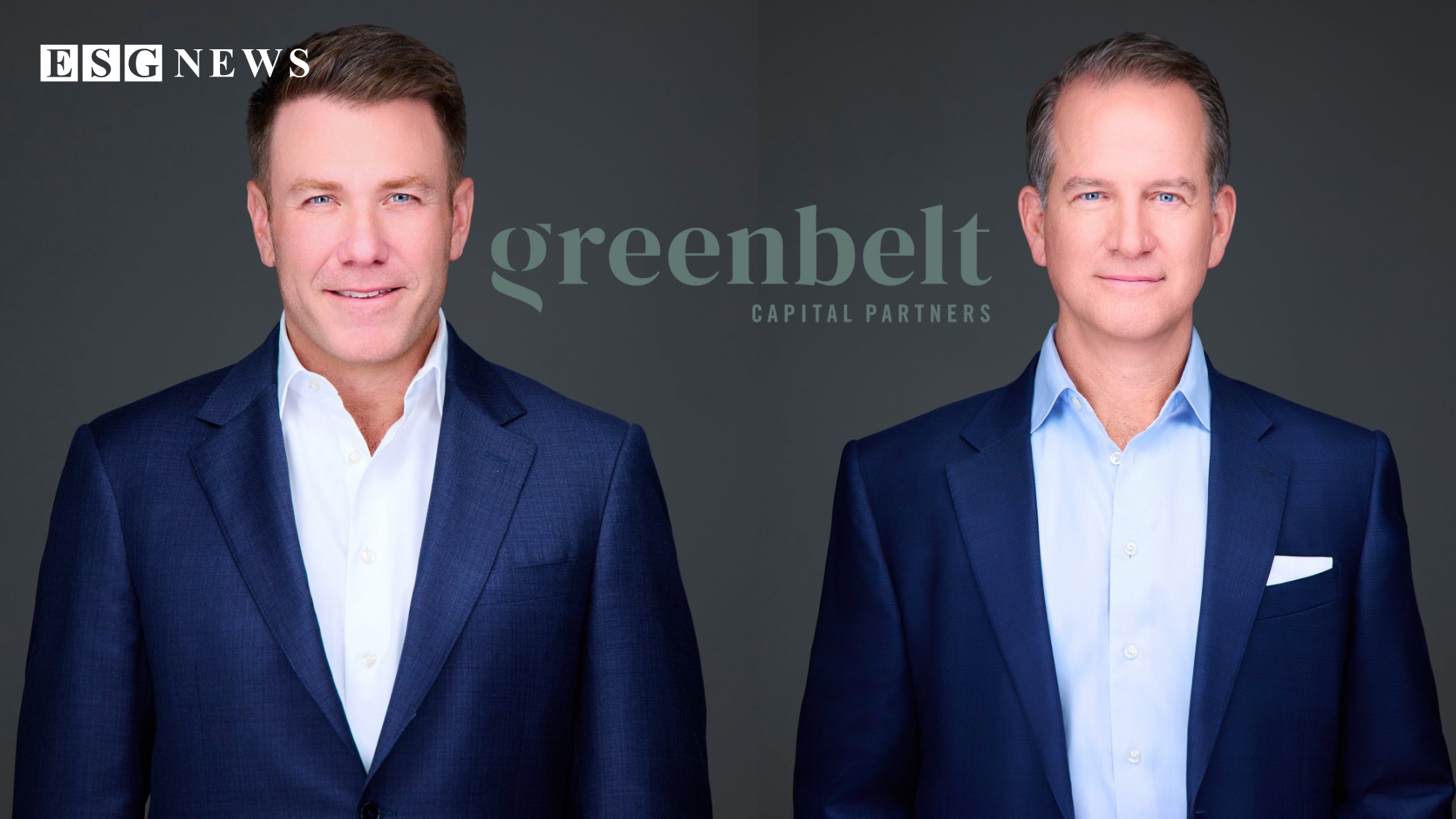
In a powerful testament to the accelerating shift in global energy investment, Greenbelt Capital Partners has successfully closed its inaugural fund, Greenbelt Capital Partners III L.P., at an impressive $1 billion. This achievement not only hit its hard cap but significantly surpassed its initial $750 million target, underscoring robust institutional confidence in the energy transition sector. With this close, Greenbelt now manages $2.5 billion in assets, positioning itself as a major player in shaping the future of energy and infrastructure. The fund’s strategy is laser-focused on companies driving transformation across critical areas: grid modernization, digital infrastructure, industrial electrification, and energy efficiency. This influx of capital, secured from a diverse group of global institutional investors including pension funds, sovereign wealth funds, insurance companies, and foundations, signals a profound commitment from long-term capital allocators towards sustainable and commercially viable energy solutions.
Navigating Volatility: Energy Transition’s Counter-Cyclical Appeal Amidst Crude Swings
The successful closing of Greenbelt’s fund offers a fascinating counterpoint to the current dynamics in traditional commodity markets. As of today, Brent Crude trades at $90.38, reflecting a sharp 9.07% decline within the day, with WTI Crude mirroring this downturn at $82.59, down 9.41%. Looking at the broader trend, Brent has shed a significant $20.91, or 18.5%, over the last 14 days, falling from $112.78 to $91.87. This pronounced volatility in conventional oil prices highlights the inherent geopolitical and supply-demand sensitivities of the fossil fuel sector. For astute investors, this environment can make the more stable, long-term growth potential of energy transition assets particularly appealing. Greenbelt’s ability to secure $1 billion in commitments during such a turbulent period for crude prices suggests that institutional capital increasingly views investments in grid modernization, electrification, and efficiency as a strategic diversification, offering a different risk-reward profile less susceptible to daily commodity price swings. This move reinforces the narrative that while traditional energy remains vital, the capital tide is turning towards opportunities that offer predictable growth and alignment with future energy demands.
Upcoming Events and Strategic Positioning Beyond the Barrel Price
As the energy industry braces for a flurry of critical events in the coming days, Greenbelt’s substantial capital raise offers a compelling long-term strategic perspective. This weekend, the focus for many investors will be squarely on the OPEC+ Joint Ministerial Monitoring Committee (JMMC) and the subsequent Full Ministerial Meeting, where decisions on production quotas will undoubtedly influence near-term crude prices. Following these, the market will scrutinize the API Weekly Crude Inventory and EIA Weekly Petroleum Status Reports on April 21st and 22nd, with similar reports scheduled for the following week. These events are crucial for understanding the immediate supply-demand balance in traditional oil markets. However, Greenbelt’s strategy, under the guidance of seasoned leaders Chris Manning and Glenn Jacobson who have deployed over $6 billion in equity capital together, is largely insulated from these short-term fluctuations. Their investments in foundational infrastructure for the “carbon competitive and sustainable future” are a bet on structural change, not daily barrels. This forward-looking approach positions the fund to capitalize on the secular growth drivers of energy transformation, irrespective of the immediate outcomes from OPEC+ meetings or inventory reports, providing a distinct investment thesis that transcends conventional energy market narratives.
Investor Sentiment: Asking About the Future, Not Just the Price
Our proprietary reader intent data reveals a clear dichotomy in investor focus. While a significant portion of queries remain fixated on short-term commodity movements, such as “what do you predict the price of oil per barrel will be by end of 2026?” or “What are OPEC+ current production quotas?”, Greenbelt Capital’s successful fund closure highlights a growing segment of institutional capital that is asking fundamentally different questions. These investors are not just tracking the next crude price fluctuation; they are actively seeking where the next wave of energy value creation will emerge. The $1 billion committed to Greenbelt’s fund is a powerful answer to that inquiry, demonstrating confidence in the long-term viability and profitability of grid modernization, digital infrastructure, and industrial electrification. This pivot in capital allocation suggests that while the immediate future of traditional oil and gas will always be a topic of intense interest, a substantial and sophisticated segment of the investment community is actively funding the energy infrastructure of tomorrow, recognizing that the future of energy involves more than just the price per barrel.


