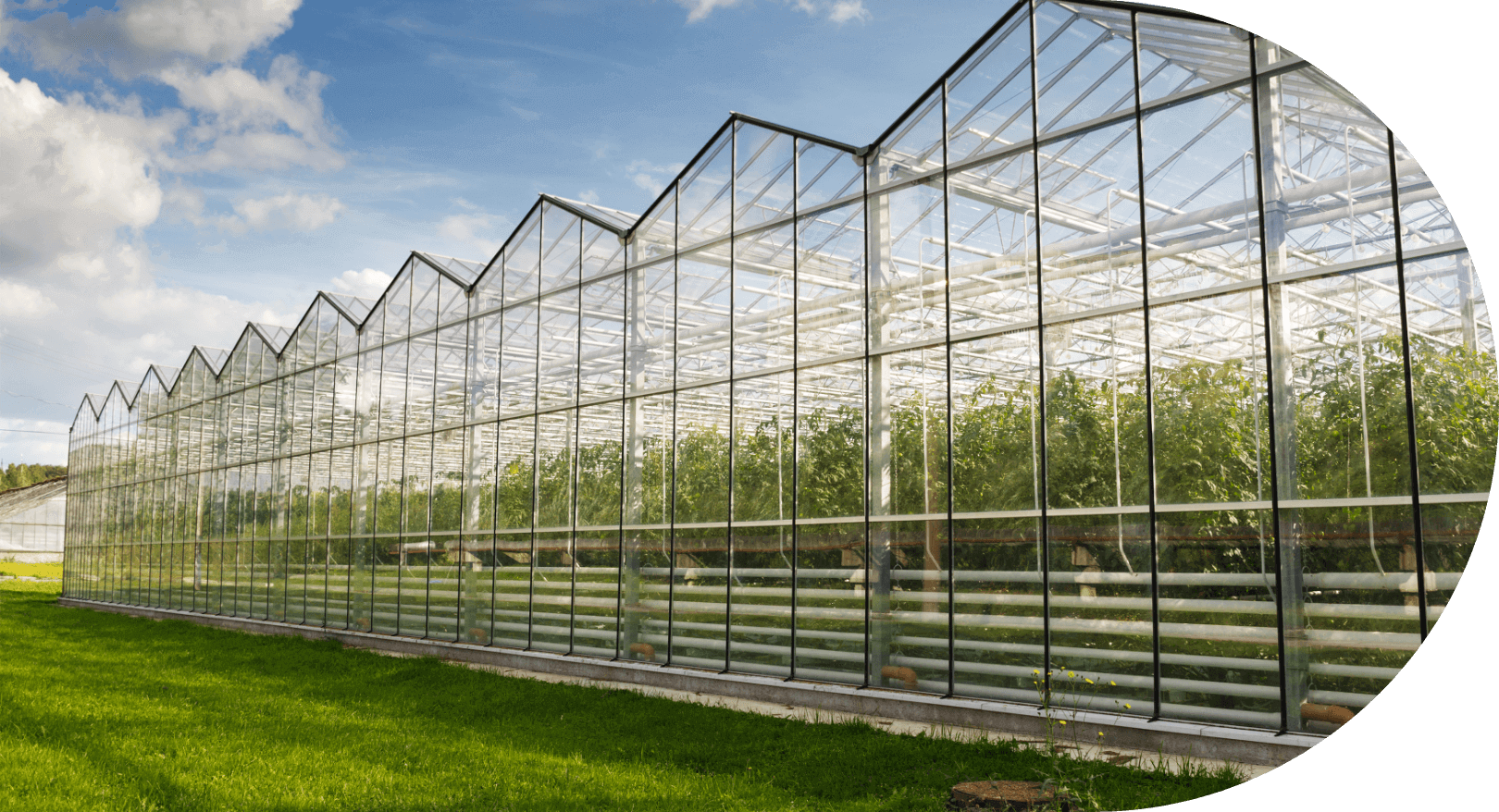
The global energy landscape continues its dynamic evolution, presenting investors with a complex interplay of traditional hydrocarbon markets and emerging green technologies. While the immediate focus often remains on crude price fluctuations and geopolitical supply dynamics, savvy investors are increasingly recognizing the strategic importance of diversified energy portfolios. A compelling case in point is the ambitious low-carbon greenhouse project in Essex, UK, which promises to redefine sustainable agriculture and localized energy generation by leveraging household waste. This initiative represents more than just a horticultural development; it is a significant step towards a circular economy model, offering valuable insights into the future of energy-adjacent investment opportunities.
Sustainable Synergy: Waste-to-Energy and Food Security
The Essex project, slated for completion by 2027, is poised to become Europe’s largest low-carbon greenhouse complex, spanning an impressive 40 hectares. Its innovative core lies in harnessing heat from incinerated household waste to cultivate tomatoes, a direct application of the waste-to-energy principle. This facility is projected to supply approximately 6% of the UK’s total tomato demand, simultaneously aiming to offset up to 8% of current imports. This dual benefit addresses critical national priorities: bolstering food security and significantly reducing the carbon footprint associated with imported produce and landfill waste. The developer estimates a 20% reduction in carbon emissions compared to traditional landfill methods, directly tackling methane emissions from decaying refuse – a potent greenhouse gas. For investors, this model presents a tangible asset with predictable output, linked to essential commodities and driven by a robust environmental mandate, potentially offering long-term stability in an often-volatile energy investment arena.
Navigating Market Volatility: A Case for Diversification
The broader energy market currently presents a picture of notable volatility, underscoring the appeal of diversified investment strategies. As of today, Brent crude trades at $90.38 per barrel, marking a significant decline of over 9% within the day’s trading range of $86.08 to $98.97. Similarly, WTI crude has seen a sharp drop to $82.59, down over 9% from its open, within a daily range of $78.97 to $90.34. This recent instability follows a more extended trend, with Brent having slid by 18.5% over the past two weeks, from $112.78 on March 30th to $91.87 yesterday. Such fluctuations, driven by geopolitical events, supply-demand imbalances, and macroeconomic shifts, inherently introduce risk into portfolios heavily weighted towards traditional fossil fuels.
In this context, green investments like the Essex greenhouse offer a counter-cyclical appeal. While their returns are not directly tied to daily crude price swings, they benefit from long-term trends in energy transition, carbon pricing, and resource efficiency. For investors grappling with questions about the end-of-year oil price outlook or the performance trajectory of integrated energy majors, projects that deliver stable, essential services through innovative energy solutions provide a compelling avenue for risk mitigation and portfolio diversification.
Policy Headwinds and Future Catalysts
While the Rivenhall development embodies significant environmental and economic promise, it also highlights the complexities of navigating evolving regulatory landscapes. The project faces potential challenges under the UK’s biodiversity net gain policy, which mandates nature-positive outcomes for new developments. This friction between innovative energy solutions and conservation regulations is a critical factor for investors to monitor, as policy frameworks can significantly impact project timelines, costs, and ultimate viability. However, such challenges also present opportunities for pioneering projects to set precedents and influence future policy, potentially creating a more streamlined path for similar developments.
Looking ahead, the next two weeks are packed with events that will undoubtedly influence the broader energy market, and by extension, the appetite for diverse energy investments. The OPEC+ Joint Ministerial Monitoring Committee (JMMC) and the full Ministerial meetings are scheduled for April 18th and 19th, respectively. These gatherings will provide crucial insights into production quotas and supply strategies, directly impacting global crude prices. Subsequent API and EIA weekly petroleum status reports, alongside Baker Hughes Rig Count updates, will offer granular data on inventory levels and drilling activity. While these events directly pertain to the hydrocarbon sector, their outcomes can indirectly shape investment sentiment towards energy alternatives. A sustained period of elevated traditional energy prices, potentially resulting from OPEC+ decisions, could accelerate the economic viability and investment attractiveness of waste-to-energy projects, making their energy output even more competitive.
Investment Thesis: Beyond the Barrel
Our proprietary reader intent data reveals a consistent focus among investors on traditional oil market fundamentals, with frequent inquiries about OPEC+ current production quotas and predictions for oil prices by the end of 2026. This underscores the prevailing mindset within the oil and gas investment community. However, the strategic importance of projects like the Essex low-carbon greenhouse cannot be overlooked, even for those primarily focused on hydrocarbon assets. This facility represents a tangible shift towards localized, resilient energy systems that address multiple societal needs.
The investment thesis for such ventures extends beyond immediate energy commodity prices. It encompasses long-term commitments to decarbonization, resource efficiency, and national resilience. By converting household waste into a valuable energy source for high-value agricultural production, the project creates a closed-loop system that reduces environmental impact while generating economic value. This type of green infrastructure, less susceptible to geopolitical shocks and crude market volatility, offers a compelling proposition for investors seeking stable, long-term returns and a positive ESG footprint. As the energy transition gains momentum, understanding and integrating these innovative, energy-adjacent investments will be crucial for building robust and future-proof portfolios.


