Tech Giant’s Wind Deal Signals Mounting Pressure on Natural Gas Power Investments
A recent, groundbreaking collaboration between technology titan Google and energy major Shell is sending discernible tremors throughout European power markets, indicating a profound evolution in renewable energy asset management and intensifying the strategic pressures on conventional generation, particularly within the natural gas sector. For investors deeply entrenched in or considering the fossil fuel value chain, this development warrants close attention as it redefines asset lifecycles and corporate decarbonization commitments.
Extending Offshore Wind Life: A Transformative Investment Paradigm Emerges
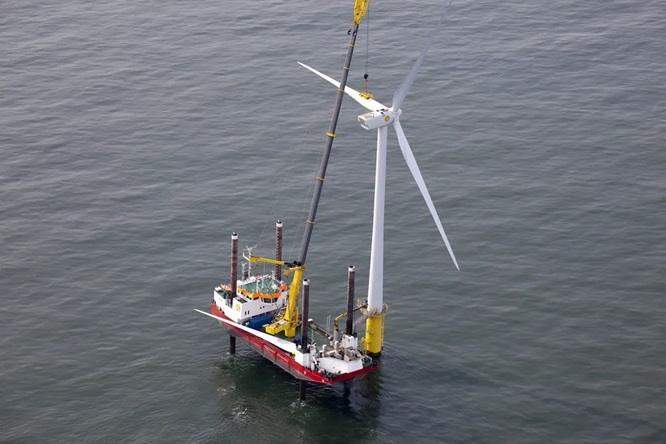
Alphabet subsidiary Google has executed a significant power purchase agreement (PPA) with Shell, making an unequivocal commitment to procure 100% of the electricity generated by the Shell NoordzeeWind facility. This transaction is far from a routine green energy procurement; it represents a pioneering strategic move aimed at extending the operational lifespan of the Netherlands’ oldest offshore wind farm. Operational since 2007, this 108-megawatt facility, originally a joint venture between Shell and Vattenfall NoordzeeWind, was approaching its statutory decommissioning deadline under existing European Union regulations. Shell, having fully acquired Vattenfall’s stake in 2021, can now leverage this PPA to secure vital permit extensions and channel investment into critical upgrades, thereby guaranteeing the continued contribution of this carbon-free power source to the grid for years to come.
This innovative corporate PPA stands as a first of its kind, structured to prolong the wind farm’s operational existence by at least four years beyond its original scheduled retirement. For capital allocators and private equity firms assessing the renewable energy sector, this development unveils a compelling new dimension: the enhanced economic viability of extending the service life of existing clean energy infrastructure. It strongly suggests the potential for a burgeoning secondary market for mature renewable assets, offering stable, predictable, and long-term revenue streams for asset owners. Crucially, this strategy could substantially reduce the upfront capital expenditure typically required for entirely new builds, offering an efficient pathway to meet the escalating demand for clean energy.
Google’s Aggressive Decarbonization Strategy and Market Influence
This strategic maneuver by Google aligns directly with Alphabet’s ambitious 24/7 Carbon-Free Energy (CFE) initiative, initially unveiled in 2020. The tech behemoth has set an arduous target: to power its entire global operations with carbon-free energy, every single hour of every day, across all its operational regions, by the year 2030. Achieving such a demanding objective necessitates a robust and diversified portfolio of clean energy sources. The life extension of the NoordzeeWind facility serves as a tangible testament to Google’s pragmatic and innovative approach to achieving its aggressive decarbonization goals.
Google’s financial and strategic influence on the Dutch clean energy landscape is undeniably substantial. Through a series of astute PPAs over recent years, the company has underpinned the financial viability of more than 1 gigawatt of clean energy generation capacity within the Netherlands alone. This includes a notable tranche of agreements inked in 2024, collectively supporting in excess of 700 megawatts of either new or extended clean energy capacity. As Enrique Frances, Senior Lead, Energy Strategy, EMEA at Google, recently articulated, this level of investment not only underscores their unwavering commitment to a carbon-free future but also aims to inspire similar partnerships that can breathe new life into valuable clean energy assets facing premature retirement. This sustained, high-volume corporate demand for green power functions as a significant market accelerant, stimulating further investment, innovation, and development across the entire renewable energy sector.
Implications for Natural Gas Power and Investor Outlook
The strategic actions of a global tech giant like Google, coupled with the evolving asset management strategies exemplified by Shell, send an unmistakable signal to the broader energy investment community. For those with exposure to or considering investments in natural gas-fired power generation, these trends represent escalating headwinds. The prolonged operation of existing renewable assets, combined with aggressive corporate procurement of new clean energy, directly displaces potential demand for gas-fired electricity. This could lead to reduced capacity factors for gas plants, increased risk of asset stranding, and downward pressure on wholesale power prices in markets with high renewable penetration.
Investors must critically evaluate the long-term cash flow projections for gas power plants in regions seeing significant corporate PPA activity and renewable life extensions. The traditional investment thesis for gas, often centered on its role as a flexible bridge fuel or baseload power, is being incrementally eroded by both the sheer volume and the innovative financial structuring of renewable energy deals. As more corporate entities follow Google’s lead, the competitive landscape for conventional power producers will only intensify, making it increasingly challenging to secure favorable financing and long-term contracts for new gas-fired projects. This shift in market dynamics compels a re-evaluation of risk premiums and expected returns across the entire natural gas value chain, from upstream production to midstream infrastructure and downstream power generation. The capital flow is demonstrably shifting towards assets that align with the global energy transition, placing conventional fossil fuel investments under heightened scrutiny.