Global Financial Titans Converge on Unprecedented Energy Crisis
The global energy sector faces an unprecedented juncture as leaders from the International Energy Agency (IEA), the International Monetary Fund (IMF), and the World Bank prepare for a critical summit next Monday. This high-stakes meeting, announced by IEA Executive Director Fatih Birol, directly addresses the severe energy crisis ignited by the ongoing conflict involving Iran, a situation he describes as “more serious than the ones in 1973, 1979 and 2022 together.” For energy investors, understanding the implications of this coordinated international response and the underlying geopolitical volatility is paramount.
The urgency of the situation cannot be overstated. Birol emphasized the necessity of a “whole hands on deck” approach and robust international collaboration to support governments worldwide grappling with the economic fallout. This sentiment underscores the interconnectedness of energy stability and global economic health, making the outcome of this summit a key indicator for market trajectories across crude oil, natural gas, and broader energy markets.
Strait of Hormuz: A Geopolitical Flashpoint Threatening Global Supply
At the heart of the current crisis lies the geopolitical instability surrounding the Strait of Hormuz. This critical international waterway, through which a staggering fifth of global oil and liquefied natural gas (LNG) typically transits, has become the focal point of an escalating confrontation. U.S. President Donald Trump delivered a stark ultimatum to Tehran, stating “a whole civilisation will die tonight” unless the Strait of Hormuz is immediately reopened. Such rhetoric highlights the extreme risks associated with this vital choke point.
A sustained blockade or military intervention in the Strait of Hormuz would trigger an unparalleled disruption in global energy supply chains. For energy investors, this translates into potential for extreme volatility in oil prices and natural gas futures, along with severe implications for shipping and energy infrastructure stocks. The strategic significance of this maritime artery means any disruption has immediate, far-reaching consequences for energy security and the cost of doing business globally.
An Energy Shock Dwarfing Historical Crises
Fatih Birol’s assessment to French newspaper Le Figaro – that the current oil and gas crisis, stemming from Iran’s blockade of the Strait of Hormuz, surpasses the combined severity of the 1973, 1979, and 2022 energy shocks – offers a sobering perspective for the investment community. The 1973 crisis saw the Arab oil embargo, while 1979 brought the Iranian Revolution, both leading to significant supply reductions and price spikes. The 2022 crisis, fueled by geopolitical tensions and sanctions, further exposed fragilities in global energy supply.
The unique confluence of factors in the present situation, particularly a simultaneous and large-scale supply shortage impacting both oil and natural gas, coupled with existing inflationary pressures and fragile global economic growth, creates an environment far more complex and dangerous. This unprecedented scale of disruption demands investor vigilance, as traditional hedging strategies may prove insufficient against such a multifaceted global energy crisis.
A Unified Front: Policy, Financing, and Risk Mitigation
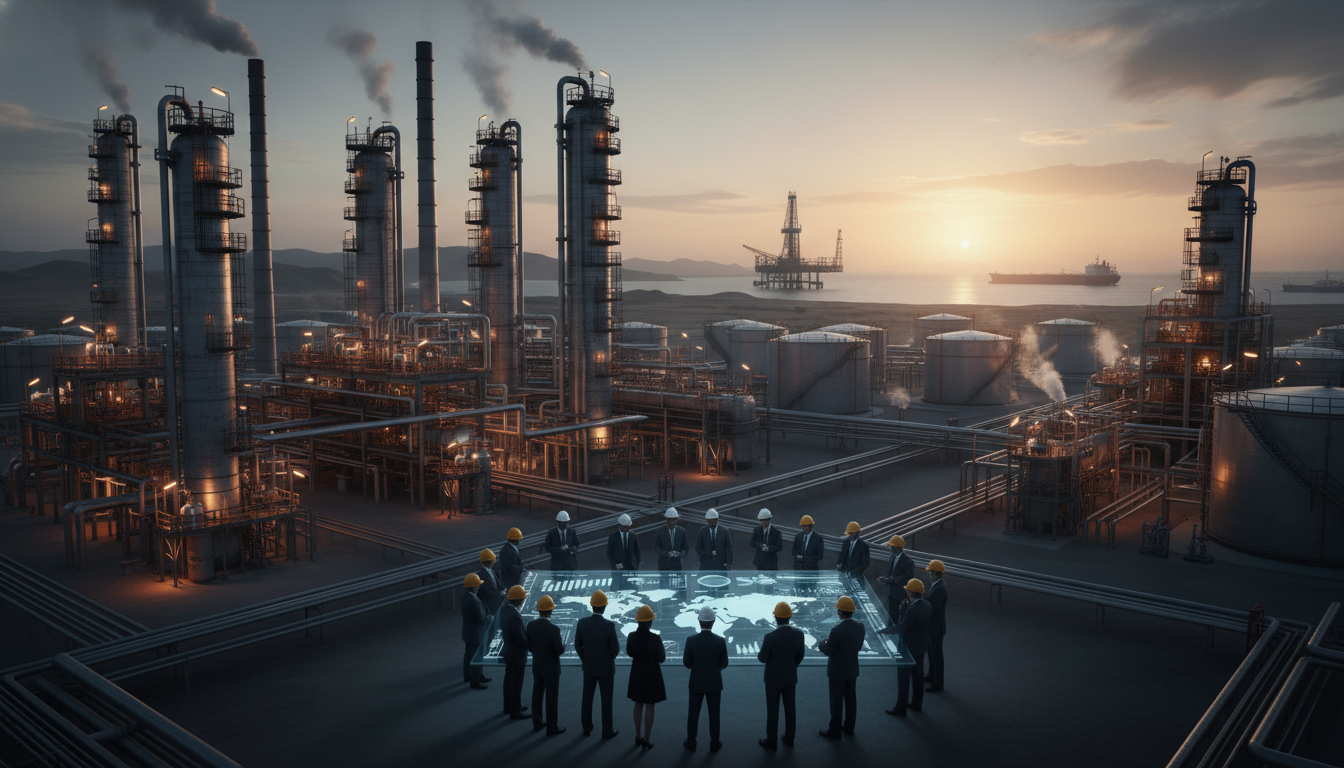
Recognizing the profound systemic risks, Birol, alongside IMF chief Kristalina Georgieva and World Bank President Ajay Banga, established a coordination group last week. This collaborative body aims to formulate a robust response mechanism to navigate the regional disruption that has already precipitated one of the largest supply shortages in recorded global energy market history.
Their proposed toolkit includes targeted policy advice for affected nations, a comprehensive assessment of potential financing needs, and the provision of critical support, potentially through low- or zero-percent financing options. Furthermore, the group is exploring unspecified risk mitigation tools to stabilize markets and protect vulnerable economies. For investors, these measures could signal attempts to cushion market volatility, provide liquidity to struggling energy importers, and potentially underwrite new energy infrastructure projects essential for long-term energy security, shaping investment opportunities and risks in the coming quarters.
Navigating the Investor Landscape in a Volatile Energy Market
The current energy landscape presents a complex matrix of risks and opportunities for oil and gas investors. Escalating geopolitical risk, particularly around the Strait of Hormuz, has driven significant market volatility. While crude oil prices and natural gas futures may see upward pressure due to supply concerns, the potential for demand destruction stemming from a global economic slowdown or coordinated strategic reserves releases cannot be ignored. Companies with strong balance sheets, diversified asset portfolios, and robust operational resilience are better positioned to weather this storm.
Investors should closely monitor global energy security initiatives and government policies aimed at diversifying supply sources and accelerating energy transition technologies. The crisis could paradoxically spur greater investment in domestic energy production, energy efficiency, and renewable energy infrastructure as nations seek to reduce reliance on volatile international supply chains. This pivotal moment necessitates a re-evaluation of investment strategies, emphasizing risk management and a nuanced understanding of both traditional and emerging energy markets.
Economic Fallout and the Imperative for Global Cooperation
The ripple effects of a severe energy crisis extend far beyond the energy sector itself, threatening broader economic stability. Higher energy costs fuel inflation, squeeze consumer spending, and increase operating expenses for industries worldwide, potentially tipping fragile economies into recession. The involvement of the IMF and World Bank underscores the deep concern for global economic health, highlighting that the energy crisis is fundamentally an economic crisis.
Their coordinated efforts aim to prevent a systemic financial collapse triggered by energy shocks. This includes supporting nations with balance of payments issues due to soaring import bills and providing technical assistance to manage energy market disruptions. For long-term investors, the success of these international bodies in mitigating the economic fallout will be crucial for the overall health of investment portfolios, influencing everything from equity markets to sovereign debt. The imperative for multilateral cooperation in managing this unprecedented energy turmoil has never been more evident.