Glacier Extinction Peak 2032: O&G Climate Policy Risk
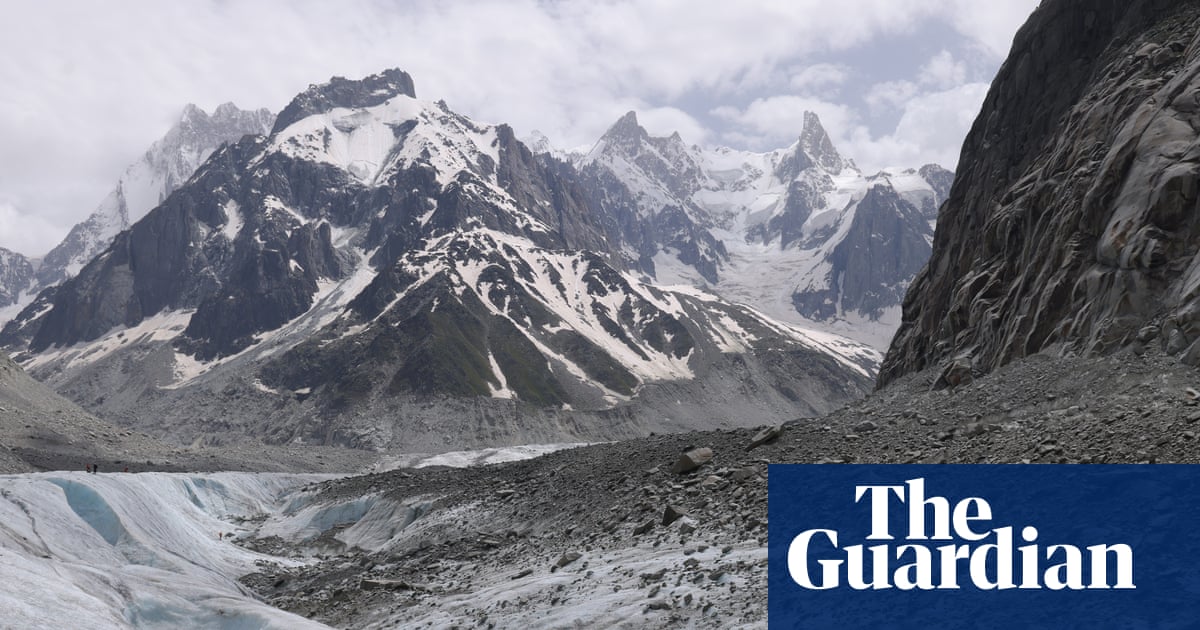
The accelerating disappearance of glaciers worldwide, with a peak extinction rate in the European Alps projected for 2032, presents a stark, undeniable signal of escalating climate change. For investors in the oil and gas sector, this isn’t merely an environmental headline; it’s a potent indicator of rapidly intensifying policy risk. The visible and emotionally resonant loss of these natural landmarks, driven by human-caused global heating and fossil fuel emissions, is poised to amplify public pressure and governmental action, fundamentally altering the operating landscape for energy companies. Understanding this nexus between scientific reality and policy evolution is critical for navigating future market dynamics and safeguarding portfolio value in a transforming energy world.
The Accelerating Climate Policy Imperative
Recent research paints a sobering picture: glaciers in the European Alps are forecast to reach their peak rate of extinction in just eight years, with over 100 projected to vanish permanently by 2033. Western US and Canadian glaciers are set to follow, with more than 800 disappearing annually by 2040. Globally, while approximately 200,000 glaciers remain, the current annual loss of 750 is expected to accelerate dramatically. Under current climate action plans, which project global temperatures rising to 2.7°C above pre-industrial levels, annual glacier losses could surge to 3,000 by 2040 and plateau until 2060, culminating in an 80% loss by century’s end. This rapid, visible degradation of natural systems provides irrefutable evidence of climate change, directly linking to the emissions from burning fossil fuels. This tangible impact, extending beyond just sea-level rise to affecting water sources, tourism, and culturally significant sites, will inevitably fuel stronger policy mandates aimed at decarbonization, increasing the regulatory burden and operational costs for oil and gas companies.
Current Market Volatility Amidst Policy Headwinds
The immediate market reflects a dynamic environment, yet underlying anxieties about long-term demand and policy shifts are increasingly palpable. As of today, Brent crude trades at $91.87 per barrel, down 7.57% from its daily high, with a daily range between $86.08 and $98.97. WTI crude mirrors this trend, standing at $84 per barrel, a 7.86% decrease, moving within a daily range of $78.97 to $90.34. This recent dip follows a significant -$14 (-12.4%) decline for Brent over the past 14 days, falling from $112.57 on March 27th to $98.57 yesterday. Gasoline prices have also seen a decline, currently at $2.95, down 4.85%. While short-term supply-demand imbalances, geopolitical factors, and economic indicators primarily drive this daily volatility, the broader narrative of accelerating climate impacts, such as rapid glacier melt, adds a layer of systemic uncertainty. Investors are increasingly evaluating how future climate policies, spurred by such visible environmental degradation, will impact the fundamental demand for crude and refined products, contributing to price instability and challenging long-term investment theses in fossil fuels.
Anticipating Future Regulatory Shifts and Industry Response
The intensifying climate crisis, vividly highlighted by the accelerating glacier melt, will inevitably shape the context for upcoming energy sector discussions and influence long-term policy. While this week’s OPEC+ Joint Ministerial Monitoring Committee (JMMC) meeting on April 17th and the subsequent Full Ministerial meeting on April 18th will focus on production quotas and market stability, these decisions are increasingly made against a backdrop of global pressure for decarbonization. Similarly, the upcoming API Weekly Crude Inventory reports (April 21st, April 28th) and EIA Weekly Petroleum Status Reports (April 22nd, April 29th) will provide crucial insights into immediate supply and demand dynamics. However, the long-term trend suggested by the glacier report — that a 1.5°C warming scenario could cap annual glacier losses at 2,000 by 2040, compared to 3,000 under current plans — underscores the urgency for governments to implement more stringent climate policies. This will likely translate into increased carbon pricing, stricter emissions standards, and incentives for renewable energy, impacting the economic viability of traditional oil and gas projects. Companies that fail to adapt, diversify, or significantly reduce their carbon footprint will face mounting regulatory hurdles and potentially stranded assets, a risk that future Baker Hughes Rig Count reports (April 24th, May 1st) may gradually reflect as capital shifts towards lower-carbon investments.
Investor Sentiment and Strategic Positioning
Our proprietary reader intent data reveals a clear focus among investors on both immediate market performance and long-term outlooks. Questions like “What do you predict the price of oil per barrel will be by end of 2026?” and “What are OPEC+ current production quotas?” highlight the desire for clarity amidst market fluctuations. However, the accelerating pace of climate change, exemplified by the impending peak of glacier extinction, introduces a significant variable into these forecasts. The 2032 peak for Alpine glaciers is not just a scientific prediction; it’s a looming deadline for policy makers, pushing the narrative towards more aggressive decarbonization. This shifts the investment focus from purely supply-demand fundamentals to integrating environmental, social, and governance (ESG) factors more deeply. Investors are increasingly scrutinizing the climate resilience of their portfolios and the strategic diversification efforts of major players. Companies like Repsol, which readers are asking about, will face increased pressure to articulate clear transition pathways. Those that proactively invest in carbon capture, renewable energy, and sustainable practices, aligning with a 1.5°C trajectory, will be better positioned to mitigate climate policy risks and secure long-term capital, differentiating themselves from peers still heavily reliant on a high-emission future.


