Germany-China Battery Venture Signals Accelerating Energy Transition Headwinds for Oil & Gas Investors
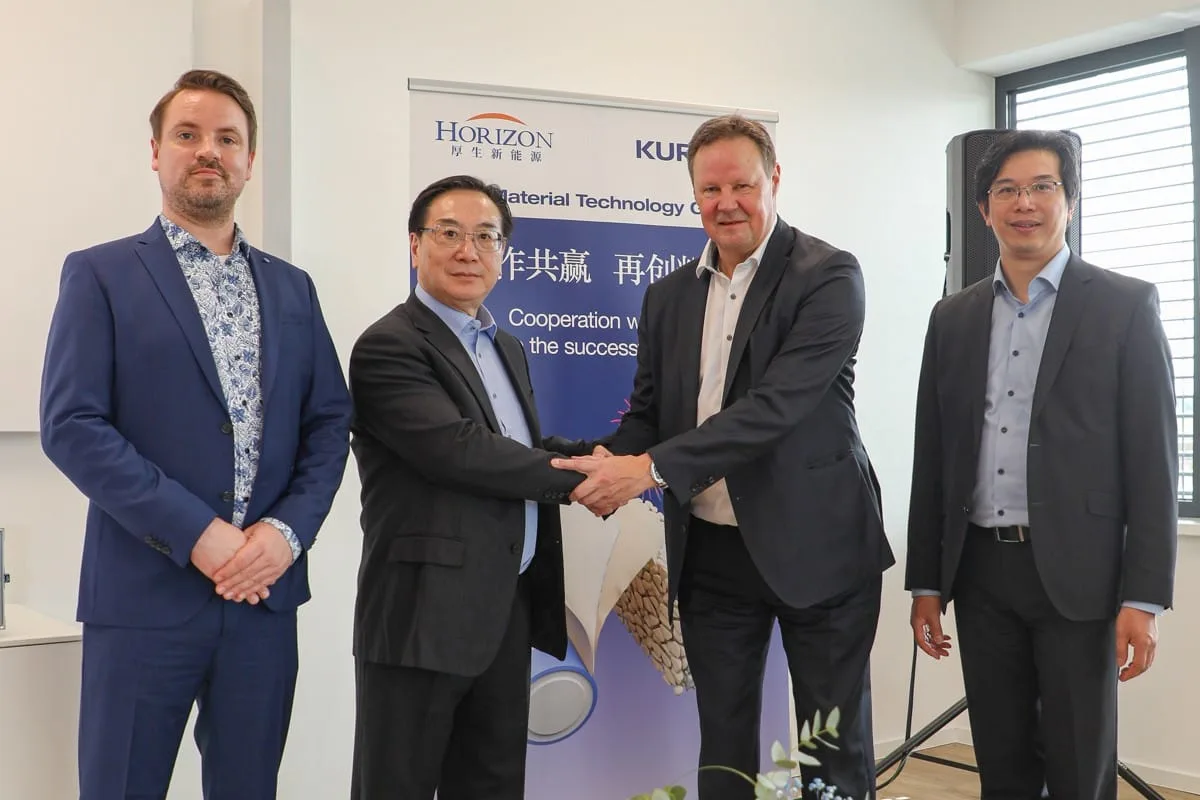
The global energy landscape continues its dynamic shift, presenting both challenges and evolving opportunities for astute investors in the traditional oil and gas sector. A significant recent development, largely flying under the radar of mainstream energy headlines but holding profound long-term implications, is the establishment of a new European joint venture focused on advanced electric vehicle (EV) battery technology. This collaboration between German thin-film specialist Leonhard Kurz and Chinese tech innovator Horizon, branded as Horizon-Kurz New Material Technology, directly targets a critical bottleneck in EV performance: battery separator films.
For those monitoring the pace of the energy transition, improvements in EV battery safety, longevity, and efficiency are not merely incremental; they are accelerants. Each advancement in battery technology erodes the competitive advantage of internal combustion engines, directly influencing future demand forecasts for crude oil and refined products. This strategic alliance, particularly given its European base and Chinese majority ownership, underscores the intense global race for dominance in the clean energy supply chain and warrants close attention from anyone invested in the future of energy.
Strategic Alliance Targets Core EV Component
The newly formed Horizon-Kurz New Material Technology joint venture positions itself squarely at the heart of the EV battery revolution. Its primary mandate is to innovate within the market for battery separator films, a component crucial to the operational integrity of lithium-ion batteries. The stated objective is ambitious: to dramatically enhance the safety, extend the service life, and boost the overall performance of these power units, which are indispensable for modern electric vehicles.
While the precise equity distribution within the new entity remains undisclosed, it has been confirmed that Horizon, the Chinese technology firm, holds a controlling stake in the venture. This majority ownership provides Horizon with significant strategic leverage, combining German engineering precision with Chinese manufacturing scale and market access. Rainer Süßmann, who serves as Executive Senior Vice President of the Business Area Plastic Decoration at Kurz and now takes on the role of Managing Director for Horizon-Kurz New Material, articulated the strategic rationale. He highlighted the venture’s entry into a “highly dynamic market segment with enormous future potential,” emphasizing the opportunity to capitalize on the rapid growth within the EV sector.
Unpacking the Technology: The Role of Separator Films
To appreciate the significance of this joint venture, it is essential to understand the technical role of battery separator films. Within a lithium-ion battery, these films perform a dual, critical function: they must reliably prevent direct contact between the anode and cathode – a short circuit scenario that could lead to thermal runaway and safety hazards – while simultaneously allowing for the unimpeded passage of ions, which is fundamental to the battery’s charging and discharging cycle. The delicate balance between these two requirements makes separator film technology a complex and highly specialized field.
Horizon-Kurz New Material Technology aims to introduce “highly functional ceramic coatings” for these essential separator foils. This innovation directly addresses two paramount concerns in battery design: thermal stability and mechanical strength. Enhanced thermal stability means batteries can operate more safely across a wider range of temperatures, reducing fire risks and improving performance in extreme conditions. Increased mechanical strength contributes to the battery’s overall durability and longevity, allowing it to withstand the rigors of vehicle operation over many years. For oil and gas investors, every improvement in battery safety and performance translates directly into accelerated EV adoption rates, potentially shifting demand away from traditional fuels faster than anticipated.
Implications for the Broader Energy Landscape
The formation of Horizon-Kurz, and similar ventures globally, carries profound implications for the entire energy ecosystem. For oil and gas companies and their investors, these developments signal an undeniable acceleration of the energy transition. As EV battery technology matures and becomes more cost-effective and reliable, the timeline for peak oil demand could be brought forward. This necessitates a continuous reassessment of long-term investment strategies in upstream exploration, midstream infrastructure, and downstream refining capacity.
Furthermore, the focus on “regional focus and European value chains” in the venture’s founding statement highlights a growing geopolitical imperative. Nations and blocs are increasingly seeking to secure critical components for the clean energy transition, reducing reliance on single-source suppliers and building resilience against supply chain disruptions. This strategic shift has implications for global trade flows, commodity pricing (especially for critical minerals), and the geopolitical leverage of various economic powers. Oil and gas investors should monitor these trends not only for their direct impact on fuel demand but also for potential opportunities in adjacent sectors, such as the petrochemical industry’s role in producing advanced materials for batteries or the burgeoning hydrogen economy for energy storage.
Investment Outlook: Navigating the Energy Transition
The narrative surrounding the energy transition is not simply one of decline for fossil fuels but rather one of profound transformation and diversification for the broader energy sector. While advancements in EV battery technology like those pursued by Horizon-Kurz certainly pose competitive pressures on gasoline and diesel demand, they also underscore the need for oil and gas companies to strategically adapt.
Investors must consider how their portfolios are positioned for a future where electrification plays an increasingly dominant role in transportation. This could mean evaluating companies with strong commitments to decarbonization, those investing in carbon capture and storage, or firms exploring ventures into renewable energy, hydrogen production, or advanced materials. The “pioneer in one of the most critical technology fields of the coming decades” label, attributed to Horizon-Kurz, is not hyperbole. It represents a fundamental shift in where value is created and captured in the energy economy. The strategic partnership between a German specialist and a Chinese tech firm in a high-growth, high-impact segment like EV battery components serves as a potent reminder that the energy transition is not merely an environmental imperative but a fierce economic and technological race. Staying informed about these seemingly niche developments is crucial for navigating the evolving investment landscape in oil and gas and beyond.