Germany’s V2G & Storage Plan: A Strategic Play for Grid Stability
Germany is embarking on a pivotal journey to redefine its energy infrastructure, with a new regulatory framework poised to level the playing field for bidirectional electric vehicle (EV) charging and stationary battery storage. This ambitious move by the Federal Network Agency (Bundesnetzagentur) is not merely a technical adjustment; it represents a strategic pivot towards enhanced grid flexibility and resilience, with profound implications for the broader energy market. For oil and gas investors, understanding these shifts is crucial, as they signal a deepening commitment to renewable integration and a future where electricity plays an increasingly dominant role across sectors, potentially influencing long-term demand for fossil fuels.
The MiSpeL Initiative: Unlocking Grid Flexibility with EVs
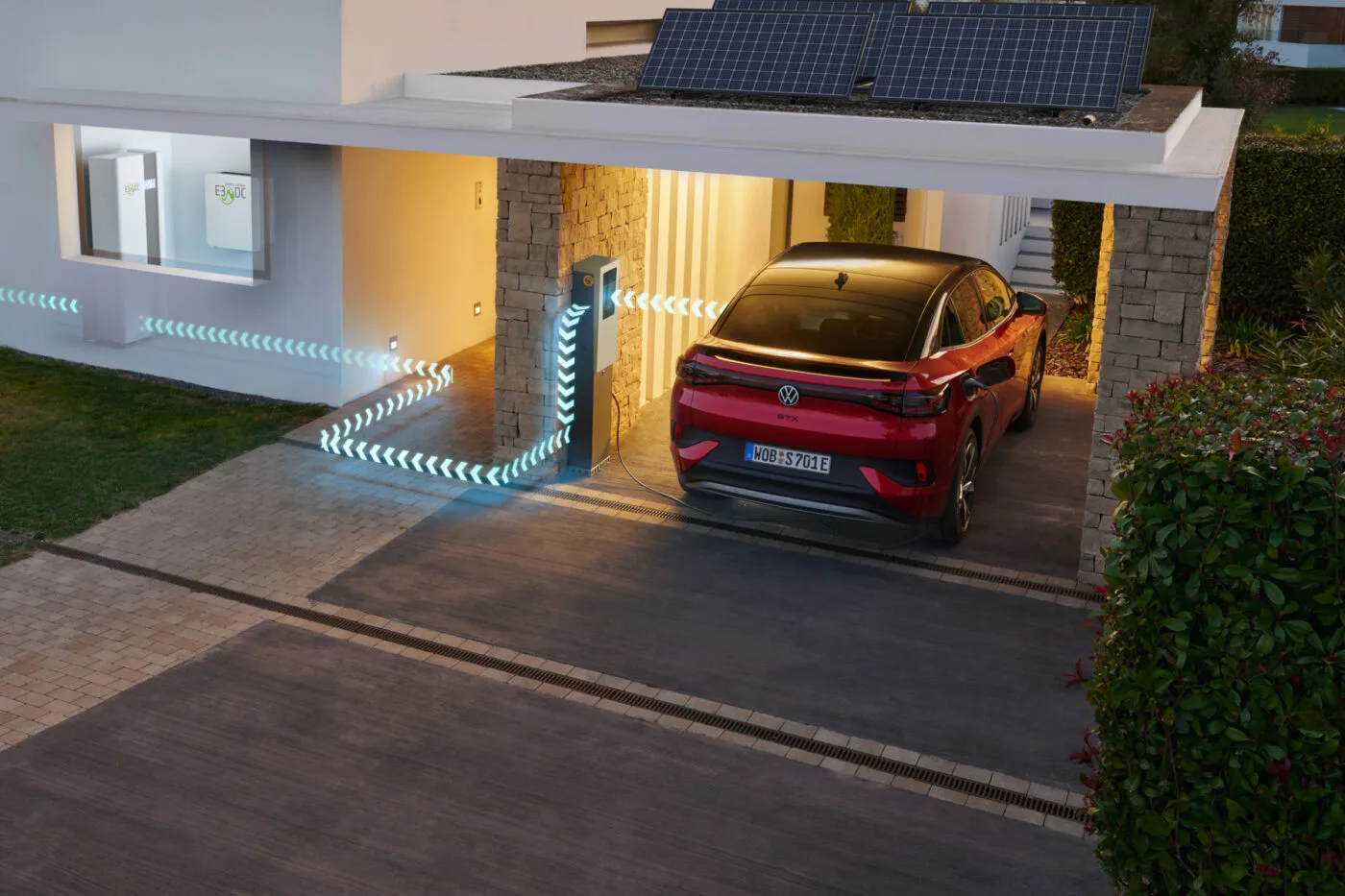
The core of Germany’s new direction lies in the draft rules, titled “Market Integration of Storage and Charging Points” (MiSpeL), which aim to grant electric vehicles with vehicle-to-grid (V2G) capabilities the same regulatory status as dedicated home batteries. This means V2G-enabled EVs will be eligible for grid feed-in and remuneration schemes, transforming them from mere consumers into active participants in the electricity market. The vision is clear: both stationary batteries and EVs will store power during periods of abundant renewable generation and lower prices, then discharge it back into the grid when supply is low and prices are high. Klaus Müller, President of the Federal Network Agency, aptly described this as laying the foundation for greater flexibility across all storage systems, calling it a “milestone for bidirectional charging.”
The proposed framework meticulously addresses various operational scenarios, including company car use cases where vehicles charge at one location (e.g., a workplace) and feed power back at another. Crucially, it ensures that operators can still benefit from EEG subsidies for renewable electricity fed into the grid and reduced EnFG levies, even when stored energy is a mix of renewable and grid power. Two options for calculation, a precise method for large PV systems and a simplified allocation for smaller solar installations, underscore a practical approach to integrating diverse energy sources. This regulatory foresight in Germany is a significant step towards a more dynamic and decentralized energy system, where millions of vehicles could collectively act as a massive, distributed battery array.
Crude Volatility Amidst the Energy Transition
While Germany’s V2G initiatives represent a long-term structural shift, the immediate market for traditional energy commodities continues its characteristic volatility. As of today, Brent crude trades at $90.38, reflecting a significant 9.07% decline from its opening, with WTI crude similarly dropping to $82.59, down 9.41%. This sharp intraday correction comes after a 14-day trend saw Brent shed $20.91, or 18.5%, from $112.78 on March 30th to $91.87 just yesterday. Such fluctuations often stem from immediate supply-demand imbalances, geopolitical events, or inventory reports, prompting investors to scrutinize every market signal.
This immediate market turbulence, however, provides a stark contrast to the steady, structural changes unfolding in the global energy landscape. Investors are rightly asking about the trajectory of oil prices by the end of 2026, a frequent query among our readership. While the direct impact of V2G on crude demand is not immediate, these electrification efforts contribute to a persistent long-term pressure on fossil fuel consumption. As countries like Germany build more robust and flexible electricity grids, the reliance on oil and natural gas for transport and heating will gradually diminish. For oil and gas portfolios, this underscores the importance of assessing long-term demand scenarios beyond short-term price movements, recognizing that grid modernization is a key component of the broader energy transition narrative.
Upcoming Events and the Broader Energy Outlook
Looking ahead, the energy calendar is packed with events that will shape the immediate future of crude markets. This weekend, market participants will be keenly watching the OPEC+ meetings, with the JMMC scheduled for April 18th and the Full Ministerial Meeting on April 19th. These gatherings are critical for any signals on production quotas, a topic that has been front and center in investor discussions. Any adjustments to output levels could significantly impact global supply and, consequently, crude prices in the short to medium term. Following this, the API and EIA weekly crude inventory reports on April 21st/22nd and April 28th/29th, respectively, will provide crucial insights into U.S. supply dynamics, further influencing market sentiment.
These immediate catalysts for crude prices stand in juxtaposition to events like the upcoming workshop on Germany’s MiSpeL rules, scheduled for October 1st. While not directly impacting oil markets, this workshop — inviting companies, grid operators, and associations for consultation — is a critical forward-looking event for understanding the pace and scope of grid decarbonization. For oil and gas investors, monitoring such regulatory advancements is key to anticipating the long-term shifts in energy demand and capital allocation, as these policies drive investment into new energy infrastructure and technologies that will compete with traditional fossil fuels.
Investment Implications: Beyond the Hydrocarbon Horizon
Germany’s proactive stance on V2G and energy storage offers a compelling case study for investors examining the evolving energy landscape. For traditional oil and gas companies, this signals an accelerating energy transition that necessitates strategic adaptation. Companies with diversified portfolios, or those investing in carbon capture, hydrogen, or renewable energy integration, may find new avenues for growth. Conversely, those solely focused on upstream oil and gas production could face increasing long-term demand headwinds, particularly in the transportation sector.
Beyond the direct impact on fossil fuels, these policies open up significant investment opportunities in adjacent sectors. The demand for advanced battery technologies, smart grid infrastructure, sophisticated energy management systems, and EV charging networks is set to surge. Investors should consider the potential for growth in companies developing these solutions, as they are integral to realizing the vision of a flexible, resilient, and decarbonized grid. Germany’s MiSpeL draft is more than just a regulatory update; it is a clear indicator of the direction of travel for developed economies, emphasizing grid stability and renewable integration as central pillars of future energy security. For astute investors, navigating this transition means looking beyond the barrel and understanding the intricate interplay of policy, technology, and market dynamics that are reshaping the global energy paradigm.