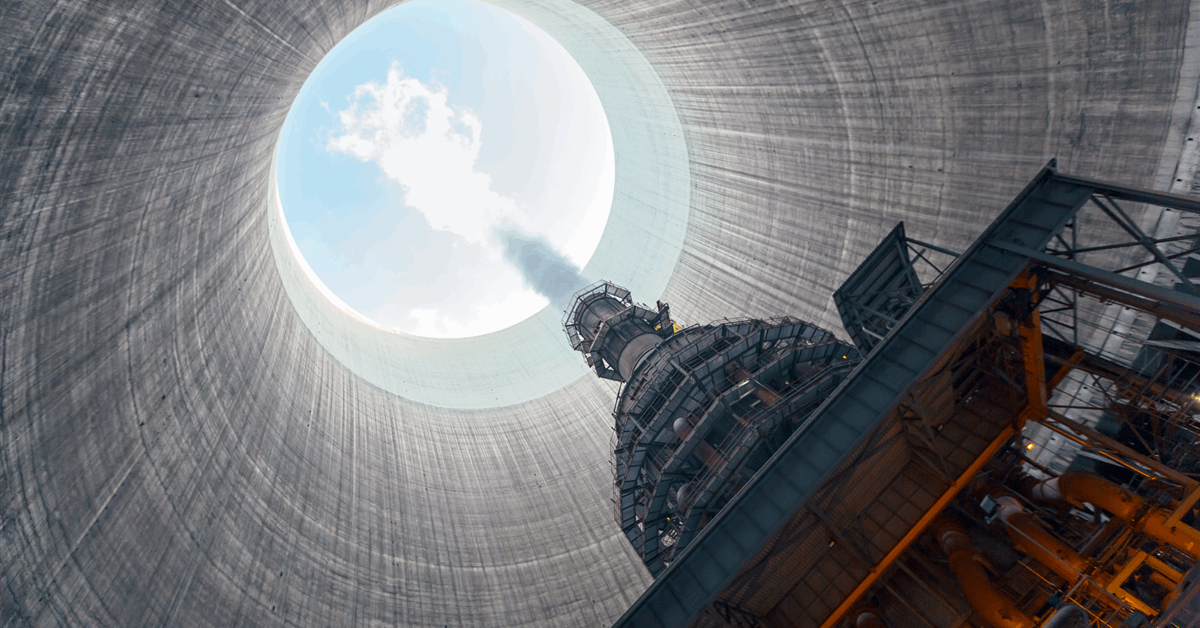
The UK has quietly achieved a significant energy milestone with Geothermal Engineering Ltd. (GEL) bringing its flagship United Downs project online, marking the nation’s first foray into producing geothermal electricity. This development is far more than a local curiosity; it represents a strategic pivot towards energy independence and critical mineral security, offering a stable, baseload power source and concurrently extracting vital lithium carbonate. For oil and gas investors typically focused on the dynamics of crude prices and traditional energy plays, this emerging sector demands attention. It presents a compelling case for diversification and long-term value in an increasingly complex global energy landscape, challenging conventional investment theses with its unique blend of power generation and resource extraction.
Geothermal’s Dual-Benefit Proposition: Power and Critical Minerals
GEL’s United Downs facility in Cornwall is not just generating renewable electricity; it’s also producing commercial-scale “zero-carbon” lithium carbonate, a critical raw material for the burgeoning battery market. This synergistic approach, extracting both power and minerals from the same deep subsurface resource, epitomizes a forward-thinking investment strategy. The plant’s initial 3 megawatts (MW) of continuous baseload power generation is already contracted to Octopus Energy, sufficient to power approximately 10,000 UK households. Furthermore, its 100 metric tons per year lithium carbonate capacity establishes a domestic supply chain for a material essential to the energy transition. GEL’s vision extends beyond this initial phase, with plans to add additional 6 MW units, showcasing a clear growth trajectory. This dual-purpose model maximizes capital efficiency and minimizes environmental impact compared to traditional mining, securing GEL’s position at the forefront of the UK’s green industrial revolution and offering investors exposure to two high-growth sectors: renewable energy and critical minerals.
Navigating Volatility: Geothermal as a Stable Asset in a Dynamic Market
For many investors, the daily ebb and flow of crude oil prices remain the primary focus, with questions like “Is WTI going up or down?” or “What do you predict the price of oil per barrel will be by end of 2026?” dominating sentiment. Indeed, as of today, Brent crude trades at $94.09, having seen a notable decline of 7% from $101.16 just two weeks ago, while WTI crude sits at $90.59. This recent volatility underscores the inherent unpredictability of fossil fuel markets. In stark contrast, geothermal energy projects like GEL’s offer predictable, 24/7 baseload power, insulated from geopolitical tensions and commodity price swings. This stability provides a compelling hedge against the speculative nature of traditional oil and gas investments. Investors seeking more reliable, long-term returns, less susceptible to the daily churn of market movements, will find the consistent output and contractual agreements of geothermal power an attractive proposition, balancing portfolios heavily weighted towards conventional energy sources.
The Strategic Imperative: UK Energy Security and Beyond
The strategic significance of the United Downs project for the UK cannot be overstated. By combining domestic power generation with critical mineral extraction, GEL directly addresses key national priorities: strengthening energy security, decarbonizing industry, and fostering regional economic growth. The engineering feat of drilling over five kilometers deep to access water exceeding 190 degrees Celsius demonstrates the technical maturity of deep geothermal. This initial plant, alongside the two additional sites in Cornwall—Manhay and Penhallow—for which GEL secured the UK’s first “contracts for difference” for geothermal energy in 2023, signals a concerted national effort to establish a robust geothermal sector. Kerogen-CX Capital’s significant GBP 15 million ($20 million) investment and CEO Jason Cheng’s assertion that the sector is at an “inflection point” highlight the growing investor confidence in scaling this technology across the UK and potentially Europe. This move away from import reliance on both energy and critical materials positions the UK for greater resilience in a volatile global economy, creating a new arena for long-term capital deployment.
Future Outlook: Geothermal’s Role Amidst Evolving Energy Reports
While the conventional energy markets will continue to fixate on short-term indicators such as the upcoming EIA Weekly Petroleum Status Reports on April 22nd, April 29th, and May 6th, or the Baker Hughes Rig Count releases on April 24th and May 1st, the strategic importance of projects like GEL’s will increasingly influence long-term energy outlooks. These traditional reports provide snapshots of supply and demand for fossil fuels, but they don’t capture the full picture of the evolving energy mix. As the energy transition accelerates, comprehensive analyses, like the EIA Short-Term Energy Outlook due on May 2nd, will progressively integrate the contributions of baseload renewables and critical mineral supply chains. Investors need to look beyond the immediate data points of the oil and gas sector and consider the foundational shifts being driven by technologies like geothermal. The predictable, constant output of deep geothermal plants promises a new dimension of stability and strategic value, positioning them as essential components in a diversified energy portfolio aiming for sustainable returns in the coming decades.


